
Rare disease FDA decisions coming up
- Sep 30Camzyos (mavacamten) for Obstructive hypertrophic cardiomyopathy, adolescentsRead the storyDecision page

Myasthenia Gravis Drugs Compared by Antibody Type, How They Are Given and What You Will Pay
The FDA has approved 7 targeted drugs for generalized myasthenia gravis, and your antibody test decides which ones you can get. This guide lines them up by antibody type, age, dosing and Medicare cost, counts which open trials take people who test negative, and covers the cemdisiran decision due in November 2026.
All articles

Mitapivat Faces a November 1st FDA Decision for Sickle Cell Disease on the Same Kind of Evidence Oxbryta Had

Atacicept vs Povetacicept for IgA Nephropathy Before the FDA Decision on November 30th
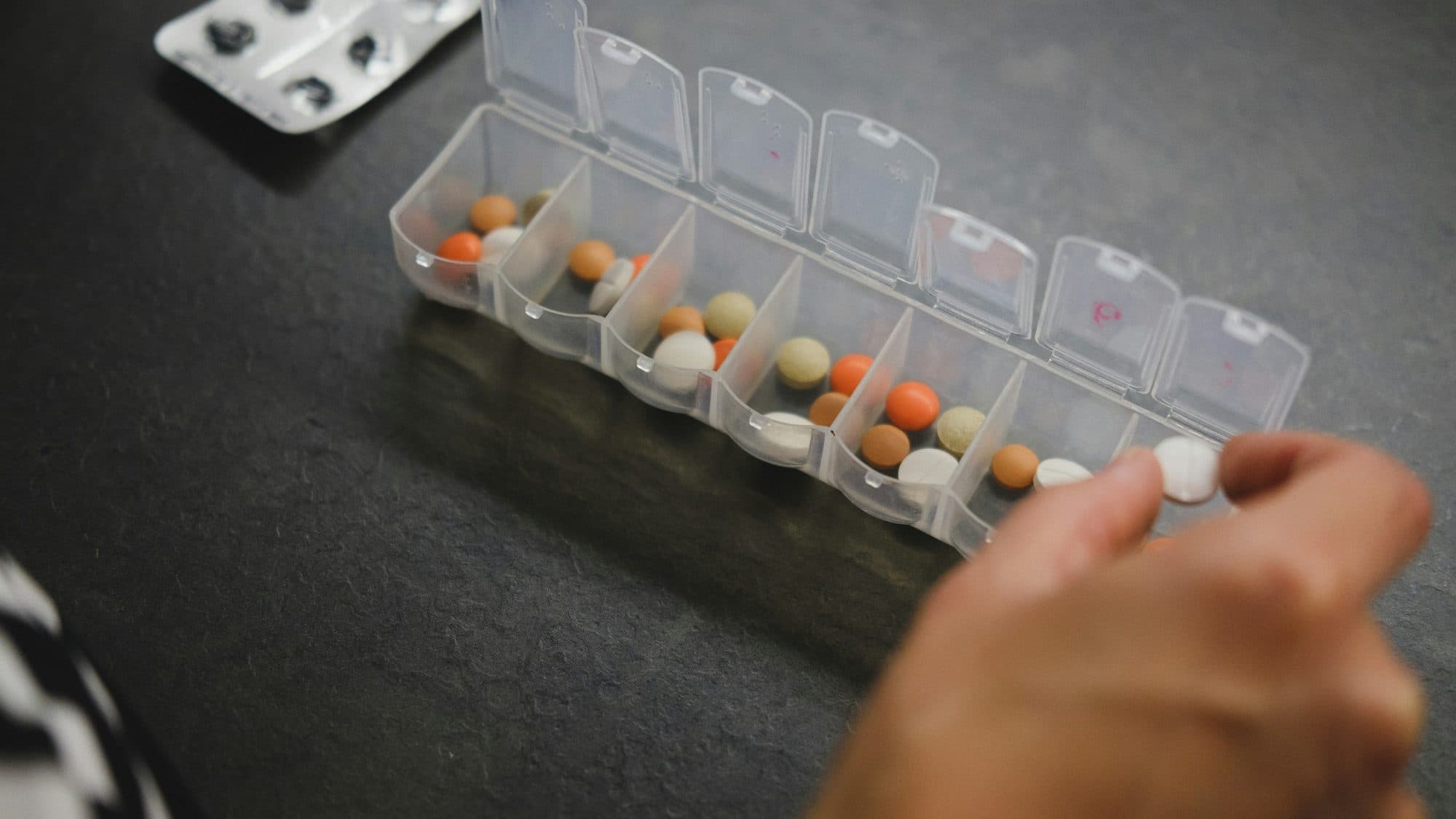
A Third of Rare Disease Trials Can Shut You Out Over a Medication You Already Take
We ran every open treatment trial for 37 rare diseases through Trial Friend's medication checker. Of 1,853 trials, 617 name a medication that disease's patients commonly take in their exclusion rules, and nearly 1 in 4 of the time windows they set reaches back about 6 months or longer.

Alpha-1 Antitrypsin Deficiency Treatment Has Meant a Weekly Infusion Since 1987, and a One-Time Gene Edit Is Now Testing That

Your Insurer Denied a Rare Disease Drug and Fewer Than 1 in 100 People Appeal, So Here Is the Playbook

ATTR Amyloidosis Treatment in 2026, 5 Approved Drugs Compared on Survival, Dosing and Side Effects
Transthyretin is a protein the liver makes, and in ATTR amyloidosis it misfolds and piles up in the heart and nerves. The FDA has approved 6 drugs for it since 2018, and 5 are still sold. Stabilizers (2 of them) hold the TTR protein together; silencers (the other 3) stop the liver from making it. Here is what each one showed in its own trial, what a year of treatment actually looks like (1,460 tablets versus 4 injections), why one was discontinued, and what the trial that failed in July 2026 taught doctors about combining them.

Before You Pick a 2027 Medicare Plan, 8 Things to Check If You Take a Rare Disease Drug

INO-3107 Could Become the Second Treatment for Recurrent Respiratory Papillomatosis on October 30th

What Clinical Trials Are Available for Acromegaly? 17 Are Open, and 3 Have US Sites for Patients
As of September 23rd, 17 acromegaly studies are recruiting or about to open worldwide, and only 3 have US sites that enroll patients. Here is what each one tests, where the sites are, how well today's treatments worked in their own trials, and what a skeleton from 1783 taught doctors about who should get a genetic test.

Lirafugratinib Is Approved as Lyrfigtu, the First FGFR2-Only Drug for Bile Duct Cancer

Camzyos Could Become the First Drug Approved for Teenagers With Obstructive HCM on September 30th

Aqneursa Is the First Approved Treatment for Ataxia-Telangiectasia, Nearly 8 Months After the Disease's Biggest Trial Failed
On September 18th the FDA approved Aqneursa (levacetylleucine) for the ataxia of ataxia-telangiectasia, the first drug approved for A-T anywhere in the world. It comes less than 8 months after the largest A-T trial ever run failed. What the 73-patient study showed, what the drug does and does not treat, and why families can get it this week rather than next year.

Emcitate Is Approved for MCT8 Deficiency, and the Trials Show It Treats the Body but Not the Brain

Isembyld Is Approved for SMA as the First Muscle-Targeted Add-On to Spinraza and Evrysdi

UX111 Is Approved as Fayuvi, the First Treatment for Sanfilippo Syndrome, and the Label Says Exactly Who It Is For
The FDA approved UX111 on September 17th, 2 days early, under the brand name Fayuvi, as the first treatment in the history of Sanfilippo syndrome. It was a full approval on a cognitive endpoint, not the biomarker-based one everyone expected. Here is who the label covers, how old the trial children were, and the 5 warnings on it.

6 Approved Drugs for IgA Nephropathy and What Their Labels Actually Promise
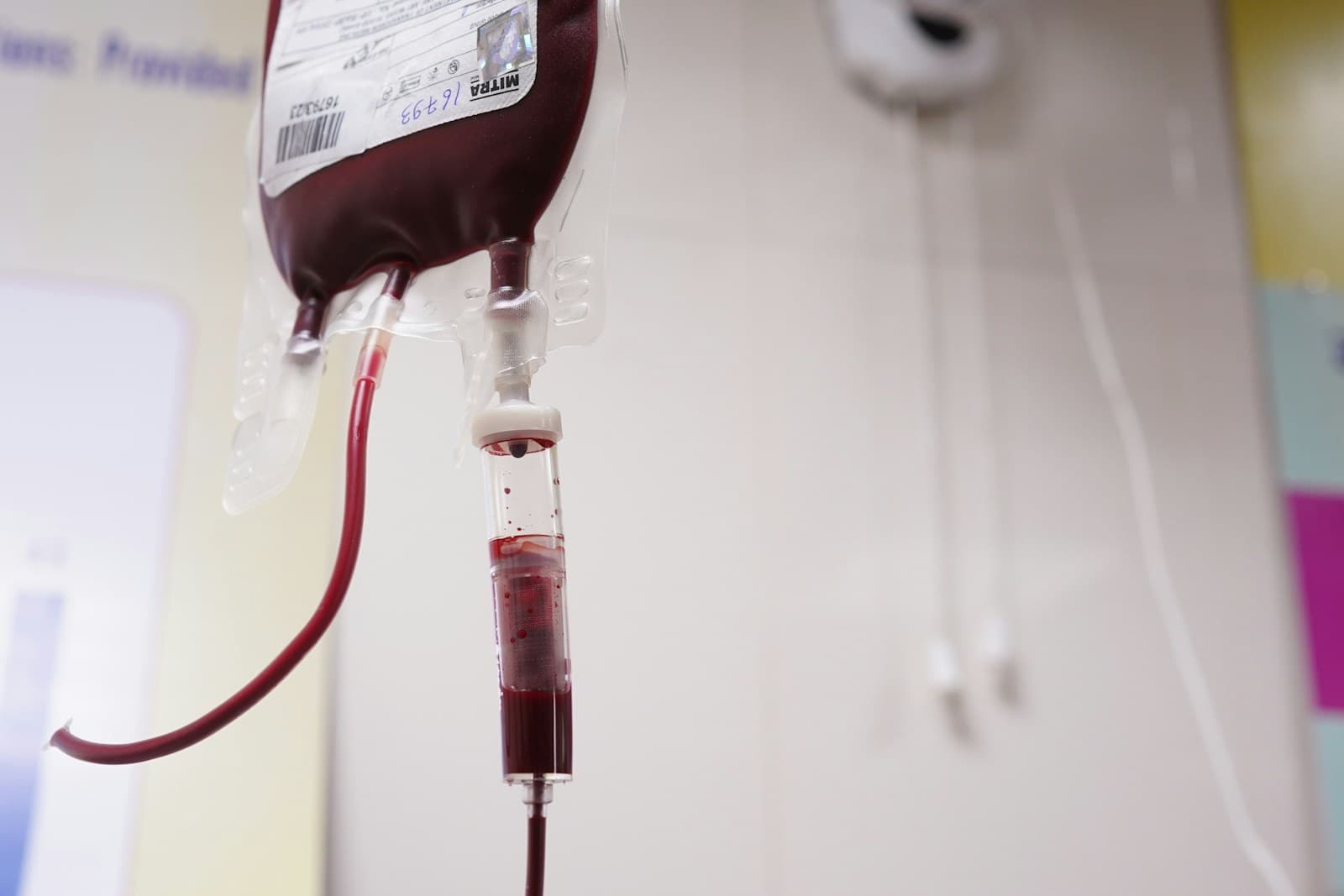
Alpha-Gal Syndrome and Blood Transfusions, What Type O Patients Should Tell Their Hospital

1 Year of Palsonify and What Switching From Acromegaly Injections to a Pill Involves
Palsonify turns 1 on September 25th. A year of real-world data shows what trading monthly injections for a daily tablet actually involves, from the empty stomach rule to the $290,000 question insurers are mostly saying yes to.

We Built a Free Alpha-Gal Medication Checker
The FDA Approved a Drug for Your Rare Disease. When Do You Actually Get It?

When a Clinical Trial Fails and It Was Your Family's Trial
In the space of 6 days, Phase 3 trials failed in Angelman syndrome and myotonic dystrophy type 1, two diseases with no approved treatment. The coverage has been about stock prices. This is about the families who enrolled, what happens to them now, and what is honestly left to hope for.

The Median Rare Disease Trial Recruits at Exactly One US Site
What an FDA Clinical Hold Means When You're the One in the Trial

Zilurgisertib Could Give FOP Patients a Third Treatment on September 26th
FOP went centuries without a single approved treatment. Now the ultra-rare bone disease could see its third in barely 3 years when the FDA rules on zilurgisertib, a once-daily pill from Mirum and Incyte, on September 26th.
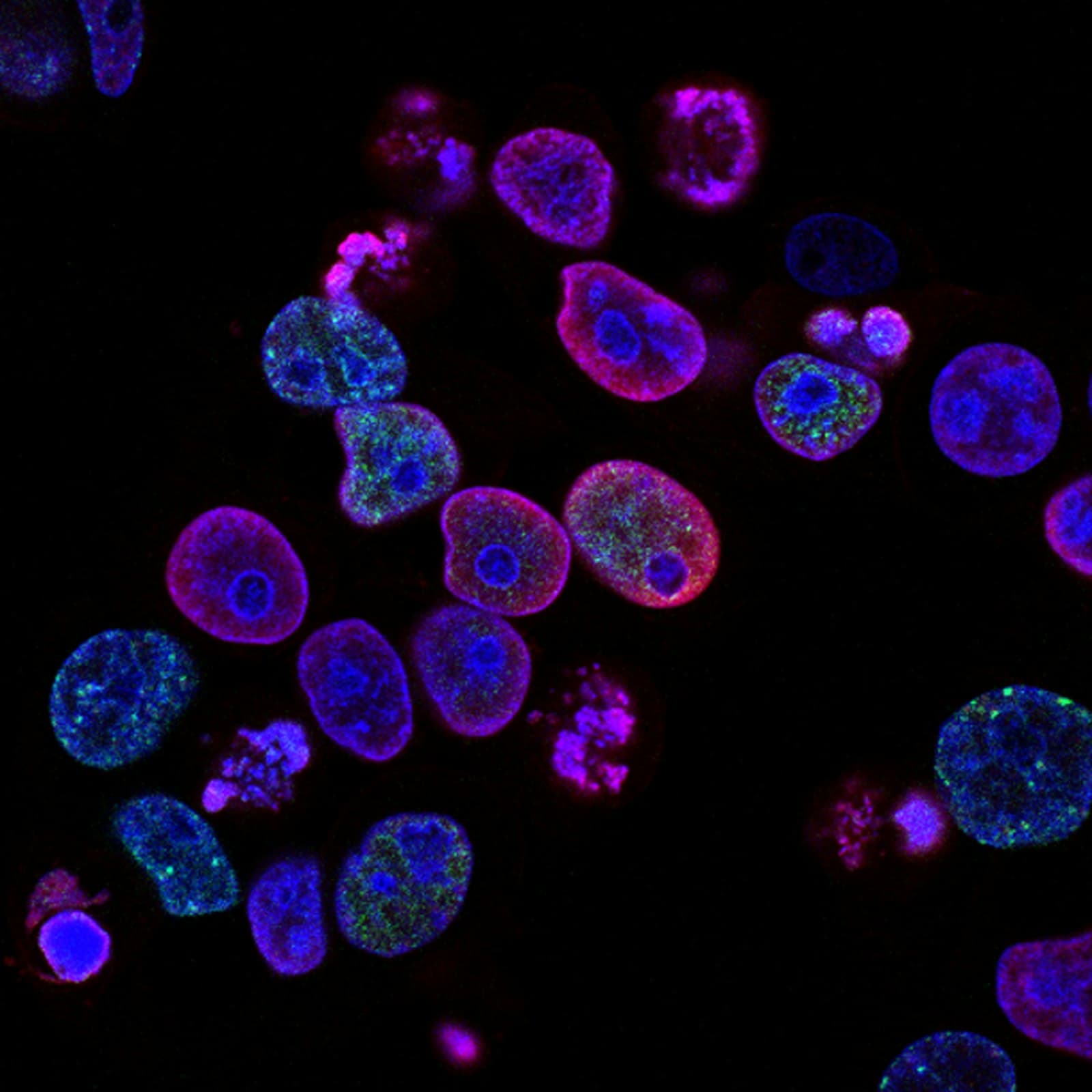
The State of Rare Disease Clinical Trials With 75% of 2026 Behind Us

4 Rare Diseases Could Get Their First Treatment This September
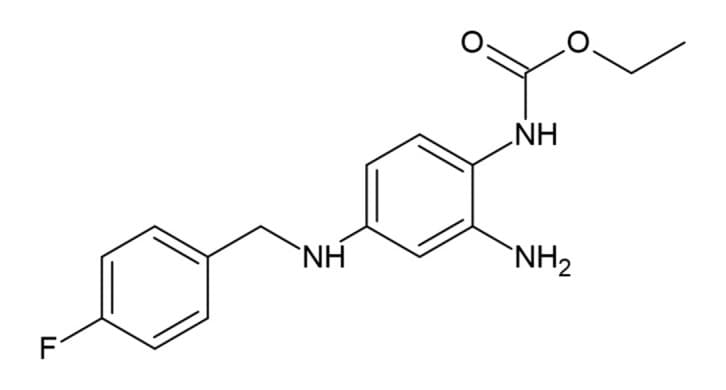
Opakalim, Azetukalner, and the Race to Bring Back Epilepsy's Lost Off Switch
Nine years after ezogabine left the market under a cloud of blue-gray skin and retinal warnings, two companies are one readout away from bringing its mechanism back. Xenon's azetukalner posted the strongest Phase 3 focal seizure data in years. On August 26, the maker of Xcopri paid $350 million upfront for Biohaven's opakalim without waiting to see the data.

A New AI Tool Called MARRVEL-MCP Is Changing the Slowest Part of Rare Disease Diagnosis

Rare Disease Diagnoses That Started With Something Else Entirely

Lone Star Tick Bites and the Rare Diseases They Cause from Alpha-Gal Syndrome to Heartland Virus
The lone star tick is the small white-dotted tick driving the surge in Alpha-Gal Syndrome cases across the United States. Range is expanding north and west, and the same tick carries ehrlichiosis, Heartland virus, Bourbon virus, STARI, and tularemia. This is the comprehensive guide to identifying lone star ticks, the diseases they cause, what to do after a bite, and how to prevent the next one.
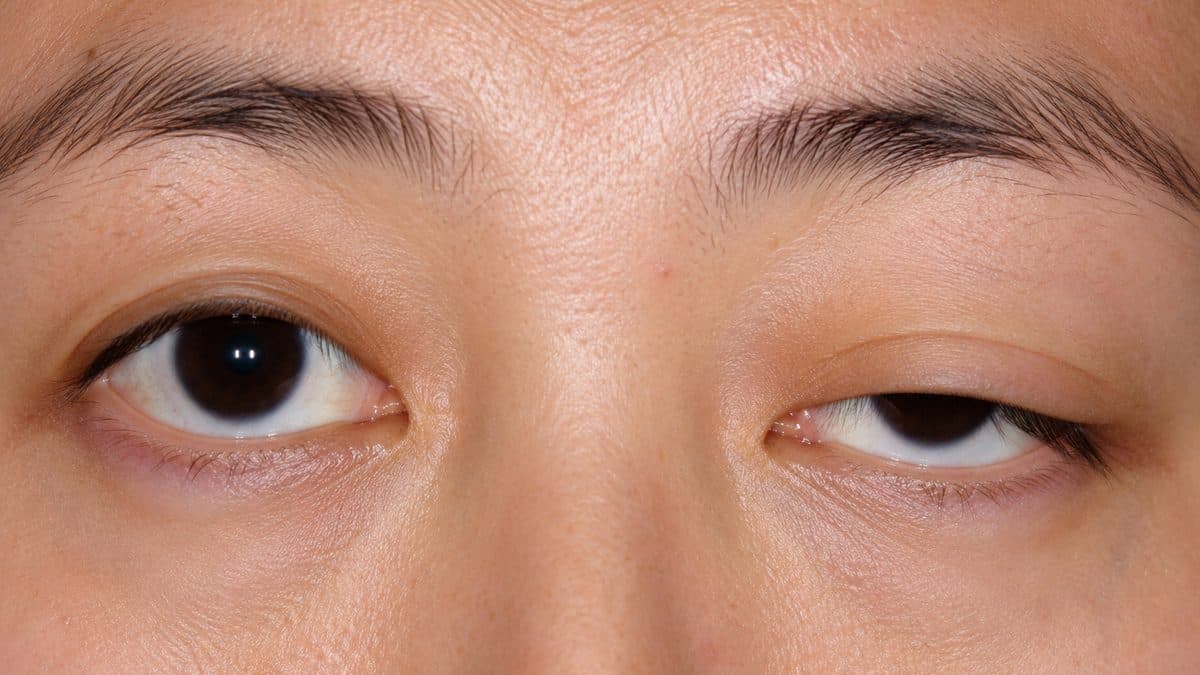
Rystiggo for Myasthenia Gravis and How It Compares to Vyvgart and Imaavy
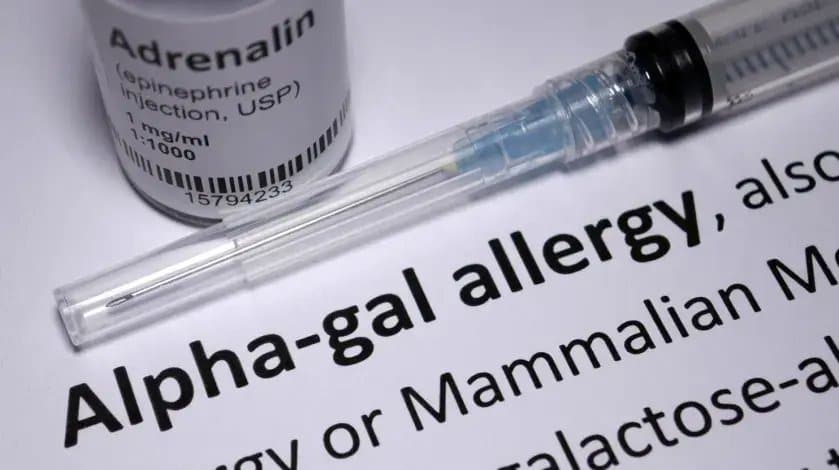
Alpha-Gal Syndrome: Medications, Vaccines, and Medical Products That Can Trigger a Reaction

Casgevy vs. Lyfgenia: Comparing Sickle Cell Gene Therapies
Casgevy and Lyfgenia are the two FDA-approved gene therapies for sickle cell disease, both approved on the same day in December 2023. They use different biology, have different safety profiles (Lyfgenia carries a boxed warning), and cost different amounts. Here's how they compare and how to think about the decision with your hematologist.

School Accommodations for a Child with a Rare Disease: A Parent's Field Guide

hEDS, MCAS, POTS, MTHFR, and Tick-Borne Coinfections: When Rare Diagnoses Stack

Heparin-Induced Thrombocytopenia: A New Drug Path After 25 Years
On April 30, 2026, Cadrenal Therapeutics announced an FDA-cleared path to a pivotal Phase 3 trial for CAD-1005 in heparin-induced thrombocytopenia. If approved, it would be the first new drug specifically developed for HIT since argatroban in 2000. HIT kills more than 1 in 5 patients in some studies. Here's why a new option matters and what's coming next.

Lonvo-Z and the First Phase 3 Win for In Vivo Gene Editing in HAE

Why Rare Disease Diagnoses Still Take 6 Years, and How Genome Sequencing Can Cut It to Weeks

The FDA's Plausible Mechanism Framework Could Unlock Gene Therapies for the Rarest Diseases
A new FDA framework lets gene therapies and antisense treatments reach patients with ultra-rare diseases without massive clinical trials. 30 million Americans with rare diseases could eventually benefit. We break down what changed, who it helps first, and what the risks are.

What Happens When You Take a Rare Disease to the ER

Ticks, Rare Disease, and the Coinfections Lyme Patients Have Been Told Don't Exist

How to Read a ClinicalTrials.gov Listing Without a Medical Degree
ClinicalTrials.gov listings are written for regulators, not patients. We walk through a real Duchenne muscular dystrophy gene therapy trial, section by section, and translate every field into plain language.

A Patient's Guide to Clinical Trial Participation
Most Clinical Trial Finders Are Recruitment Tools in Disguise. We Built Something Else.

Filspari Is the First FDA-Approved Treatment for FSGS. Here's What That Actually Means for Patients.
On April 13, 2026, the FDA approved Filspari (sparsentan) for Focal Segmental Glomerulosclerosis, ending a 70-year wait for a disease-specific therapy. The story of how Travere Therapeutics got here, what the drug actually does, and how long patients will really wait to start treatment.

A Quiet Crisis in Rare Disease Research: Trial Enrollment Is Slowing Just as Treatments Start Working

Insurance Denied Your Medication. You Have More Power Than They Want You to Know.
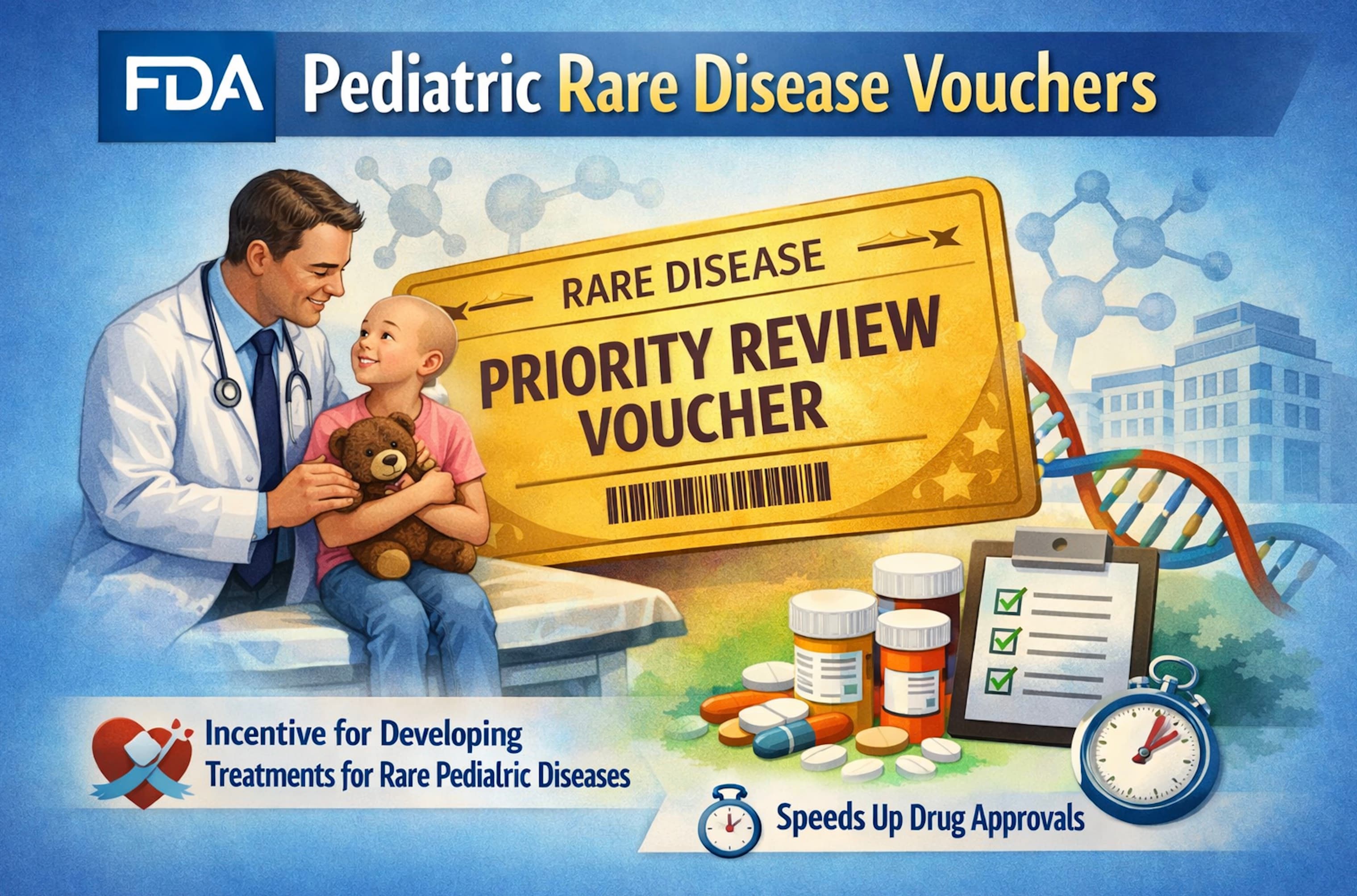
That Drug Your Child Takes? A Voucher Worth Millions Helped Make It Happen.
Most parents of kids with rare diseases have never heard of priority review vouchers. This obscure FDA program is one of the biggest reasons any company bothered developing a treatment for their child's condition in the first place.

Avlayah Is the First New Hunter Syndrome Treatment in 20 Years. Here's What Families Should Do Next.

You Got Into a Clinical Trial. Now You Have to Get There.
Dravet Syndrome Treatments in 2026: From Seizure Management to Gene Therapy
Two disease-modifying therapies for Dravet syndrome now have FDA Breakthrough Therapy designation. For the first time, caregivers have options beyond seizure management. Here is where the science stands right now.

First Gene Therapy for BAG3 Heart Failure Enters Clinical Trials: What Patients Should Know

Tepezza Just Got a Major Upgrade: What the New At-Home Injection Means for Thyroid Eye Disease Patients

A New ALS Trial Is Recruiting and It Learned from What Came Before
The PREVAiLS study just enrolled its first patient in a Phase 3 trial of pridopidine for ALS. The drug did not meet its primary endpoint in Phase 2, but a specific group of patients showed real signals. Here is what changed, why it matters, and what patients should know.

84% of Investors Are Pulling Back from Rare Disease. Here Is Why That Should Alarm Every Patient.

From Zero Treatments to 5 in 3 Years: The IgA Nephropathy Breakthrough Nobody Saw Coming

What a $4 Million Gene Therapy Actually Costs a Family in 2026
US gene therapies now list at up to $4.25 million, and 2 have left the US market for lack of buyers. Families almost never pay the list price, though. The 2026 price list, what insurance and Medicaid cover, and the support programs that handle travel and paperwork.

What Happens After a Clinical Trial Ends - Your Options for Continued Access
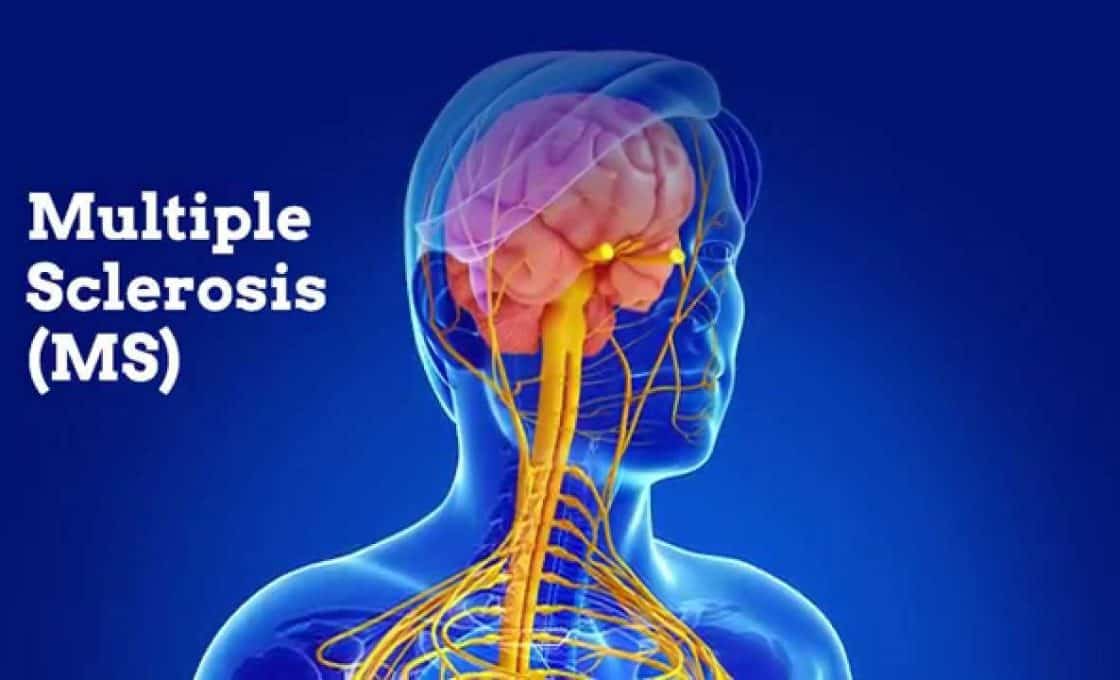
A New Kind of MS Drug Just Cleared Its Biggest Hurdle: What Fenebrutinib Means for Patients

One Baby Changed Everything: How the FDA Opened the Door for Ultra-Rare Disease Treatments
The FDA announced a new framework that allows individualized therapies for ultra-rare genetic conditions to be approved based on biological plausibility rather than traditional large-scale trials. The policy was partly inspired by a baby with CPS1 deficiency who received a custom CRISPR therapy.

What Placebos and Randomization Actually Mean for You (In Plain English)
MECP2 Gene Therapy for Rett Syndrome: What Families Should Know About the Trials in 2026

The Hidden Costs of Joining a Clinical Trial (And How to Get Help Paying for Them)
Clinical trials cover the cost of the investigational treatment, but that is only part of the picture. Travel, lodging, lost wages, and childcare can add up fast, especially for rare disease patients who often have to travel hundreds of miles to reach a trial site.
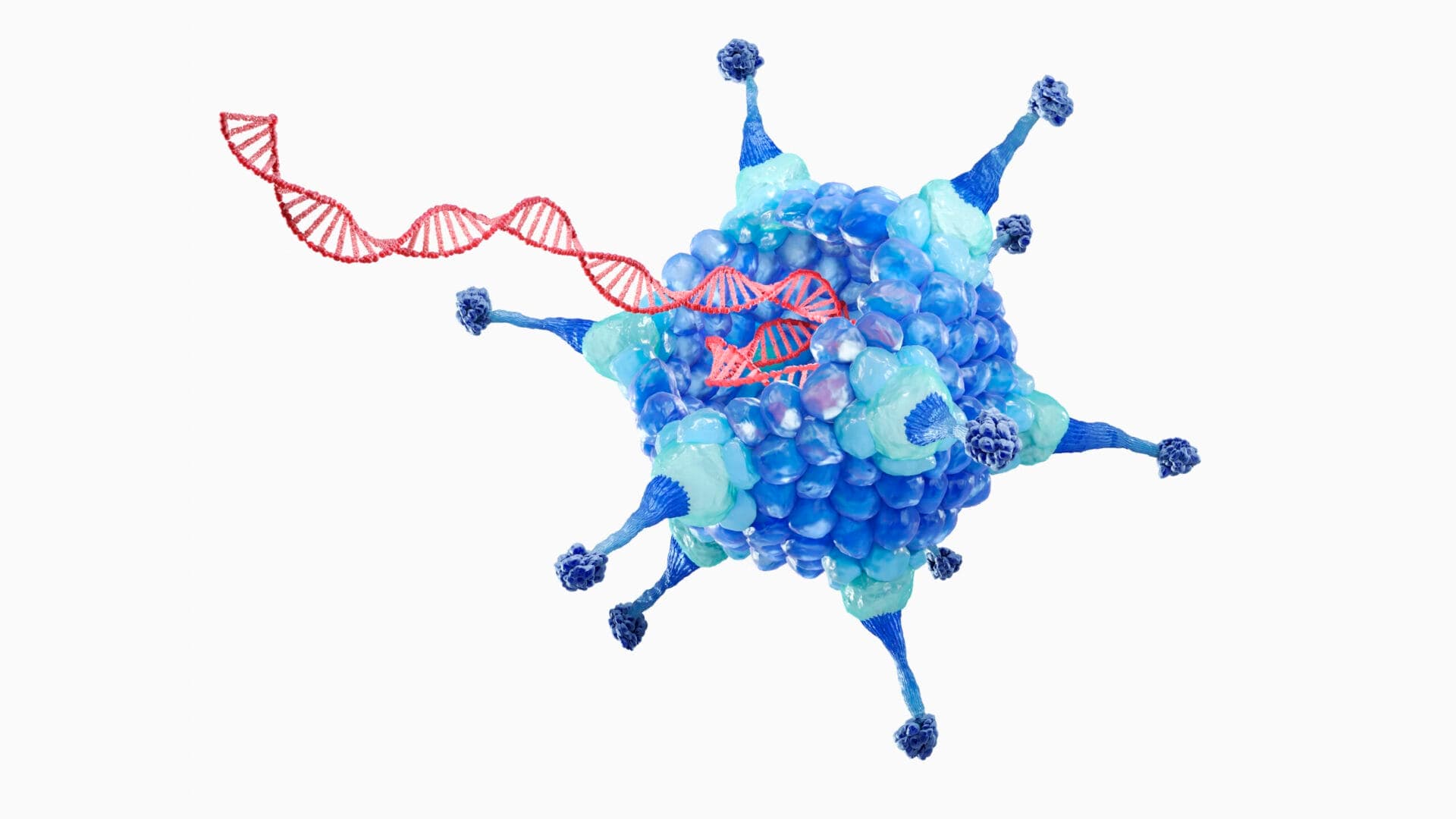
Regenxbio's Hunter Syndrome Gene Therapy Rejected: What Happened and What It Means

When the Measuring Stick Moves: Biohaven, the FDA, and What It Means for SCA Patients
Questions about Trial Friend News and Analysis
What does Trial Friend News and Analysis cover?
Rare disease clinical trial results, FDA approval decisions, gene therapy access, drug pipelines, insurance and access problems, and treatment guides, written in plain language for patients and caregivers rather than for clinicians.
Where does the information come from?
Every post is built from primary sources: FDA announcements and drug labels, ClinicalTrials.gov records, company announcements, and peer-reviewed studies. Each post lists its sources at the end. No pharmaceutical company sponsors or influences what we publish.
Who writes Trial Friend News and Analysis?
Jason Hunter, the independent writer and editor behind Trial Friend. No drug company funds or reviews his work. He uses AI tools to help research, draft and check posts, and approves every post against its cited sources before it is published. He is not a clinician, and nothing here is medical advice.
How do you keep posts current after an FDA decision?
Posts written ahead of an FDA decision are updated in place the day the outcome is announced, and the date of the change is shown next to the publish date. The FDA calendar on Trial Friend carries each outcome with its source.
Is Trial Friend News and Analysis free?
Yes. Every article, drug guide, and clinical trial analysis on Trial Friend is free, with no account, subscription, or login required.
Use a feed reader? Every new post is in the Trial Friend news and analysis RSS feed.