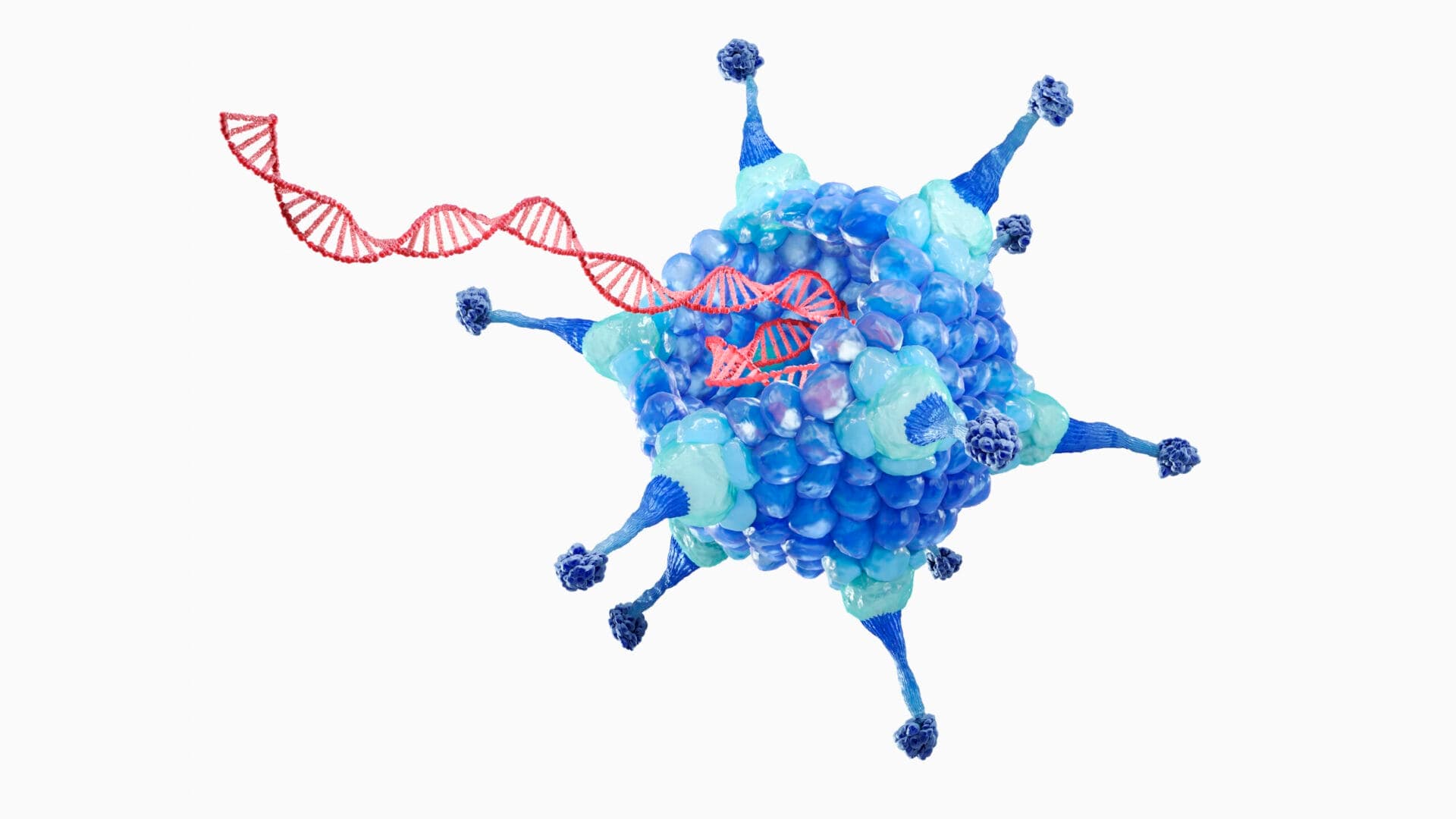
On February 7, 2026, the FDA issued a complete response letter for Regenxbio's gene therapy clemidsogene lanparvovec (RGX-121), which was designed to treat the severe, neuronopathic form of Hunter syndrome. The therapy had been under FDA review since May 2025 through the accelerated approval pathway. Ten days earlier, on January 28, the FDA had placed a clinical hold on both RGX-121 and a related program, RGX-111 for Hurler syndrome, after a brain tumor was discovered in one trial participant.
Why the FDA Issued a CRL for Regenxbio's MPS II Gene Therapy
The CRL identified three main issues. First, the FDA questioned whether the trial's eligibility criteria could reliably distinguish between the neuronopathic (severe) and attenuated (milder) forms of Hunter syndrome, especially in younger patients who have not yet reached the age where cognitive decline typically becomes apparent. Second, the agency raised concerns about whether the external natural history control group was truly comparable to the treated patients. Third, the FDA was not convinced that the chosen biomarker, cerebrospinal fluid heparan sulfate levels, could reliably predict real clinical benefit.
Regenxbio responded that it had worked with independent MPS experts to address these concerns during the review period, but the FDA ultimately concluded the data did not constitute substantial evidence of effectiveness. The company plans to request a Type A meeting with the FDA to discuss a path forward, potentially including longer-term clinical data from existing patients.
The Brain Tumor Case That Changed the MPS II Program
The clinical hold that preceded the CRL stemmed from a serious finding in a related trial. A five-year-old participant in the RGX-111 Phase I/II study for Hurler syndrome was found to have a brain tumor during a routine MRI, roughly four years after receiving the gene therapy. The tumor was discovered before it caused symptoms, and it was surgically removed.
Preliminary genetic analysis of the tumor detected an AAV vector genome integration event associated with overexpression of a growth-regulating gene called PLAG1. The FDA has not confirmed causality, and no tumors have been found in any of the other 9 RGX-111 patients or 32 RGX-121 patients treated. But the finding was enough for the FDA to extend the clinical hold across both programs, citing similarities in the products and study populations.
This is the kind of safety signal that the entire gene therapy field watches closely. AAV vectors, the delivery vehicles used by RGX-121 and many other gene therapies, are generally considered safe based on more than 120 clinical trials conducted to date according to industry data. But long-term data on AAV integration in the central nervous system is still limited, and the pediatric brain may carry different risks than adult tissues.
What the CRL Means for Hunter Syndrome Families
For roughly 500 people in the U.S. living with Hunter syndrome, this CRL lands hard. When this CRL was issued, the severe neuronopathic form of MPS II had no approved treatment that reaches the brain. Children with the severe form lose skills they have already gained, and no approved therapy had been shown to slow that process. Avlayah, approved in March 2026, is designed to reach the brain, but its accelerated approval was based on lowering a disease marker (heparan sulfate) in spinal fluid, and further studies are needed to confirm that it improves symptoms. Gene therapy was supposed to change that equation.
There are some reasons for cautious optimism. Denali Therapeutics received FDA approval on March 24, 2026 for a Hunter syndrome treatment that takes a different approach, and stem cell gene therapy trials at Royal Manchester Children's Hospital have shown encouraging early results. The path to treating the neurological side of MPS II is not closed, but it has become more complicated.
“For ultra-rare diseases with tiny patient populations, the usual regulatory playbook does not always translate. These families cannot afford to wait for perfect data when the disease is already taking ground.”
Understanding Hunter Syndrome (MPS II)
For patients and caregivers looking to learn more
Hunter syndrome is caused by mutations in the IDS gene on the X chromosome, which is why it almost exclusively affects boys. The missing enzyme normally breaks down complex sugars called glycosaminoglycans (heparan sulfate and dermatan sulfate). Without it, these sugars accumulate in cells throughout the body, causing progressive damage to the brain, heart, liver, spleen, airways, bones, and joints.
Signs and symptoms typically appear between ages 2 and 4 and include coarsening facial features, joint stiffness, enlarged liver and spleen, recurrent ear and respiratory infections, and in the severe form, developmental regression and behavioral changes. According to Cleveland Clinic, the severe neuronopathic form accounts for roughly two-thirds of cases and is the most devastating, leading to profound cognitive and physical decline.
Current management includes enzyme replacement therapy (Elaprase), which helps with some physical symptoms but does not address the neurological component. Hematopoietic stem cell transplantation (bone marrow transplant) can sometimes slow neurological decline if performed early enough, but it carries significant risks and is not always effective. You can search for active Hunter syndrome clinical trials on our trials page.