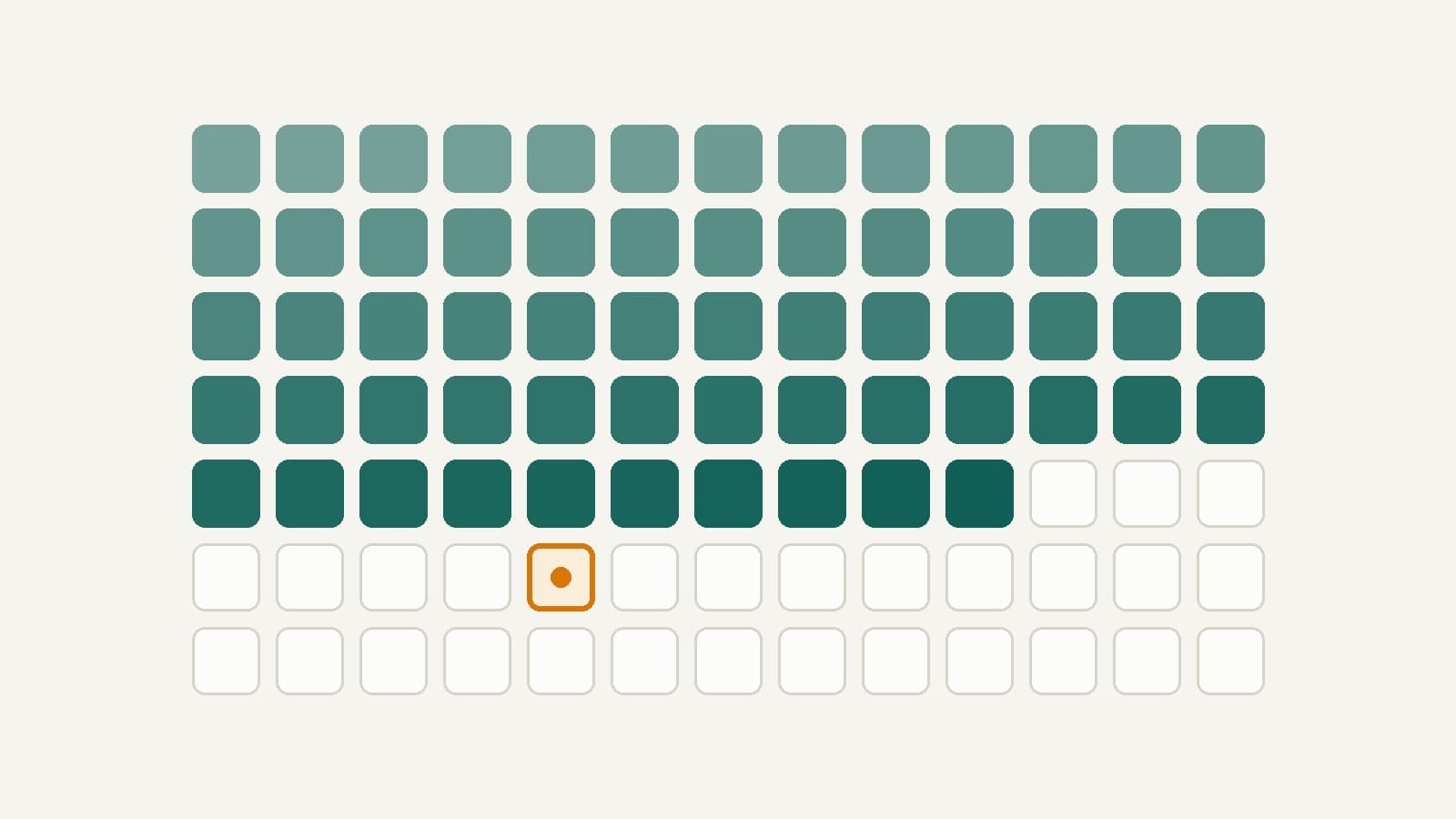
On September 17th, the FDA approved Fayuvi, the first gene therapy for Sanfilippo syndrome, 2 days ahead of schedule. Families who had waited years celebrated, and then almost nothing visible happened. The phone does not ring. The hospital does not call to schedule anything. The drug exists, legally, and is not yet in any family's hands.
That silence is normal, and knowing what fills it can help shorten a wait that runs anywhere from 3 weeks to 3 months. Approval starts a second race, run through specialty pharmacies, insurance reviews, and financial assistance programs, and unlike the first race, this one has moves a family can actually make. Here is what that gap has looked like for 5 real rare disease drugs, followed by what happens inside it and what you can do to compress it.
Approval Day Starts a Second Race
On approval day, 3 things actually exist: a legal green light, a drug label, and a press release. What usually does not exist yet is drug in a pharmacy near you. The speed of what follows depends mostly on what kind of product it is and how much of the launch machinery the company built in advance.
The fast end looks like Lumvoa and Modeyso. Both are conventional products from companies that spent the months before approval signing pharmacy contracts, hiring case managers, and printing enrollment forms. Viridian was blunt about its readiness.
“Viridian plans to launch Lumvoa immediately, and physicians can prescribe Lumvoa tomorrow.”
Viridian Therapeutics launch announcement, June 26, 2026
The slow end looks like Casgevy. A gene therapy cannot ship to a pharmacy. Hospitals had to be individually authorized as treatment centers, staff trained, and each patient's own cells collected and edited in a manufacturing run that takes months per person. Vertex had stood up 45 authorized centers by November 2024, 11 months after approval, and was still building toward 75 (Fierce Pharma, 2024). Kygevvi sat in between: an ordinary oral product whose maker told patients at approval that commercial supply was a quarter away (UCB, 2025). Approvals are announced on a set day, while shipping starts on no fixed schedule. The gap between those 2 events is this article.
Why You Cannot Fill It at CVS
Many new rare disease drugs launch through limited distribution: the manufacturer contracts with 1 or 2 specialty pharmacies, and those are the only places in the country that stock it. Wayrilz, which Reuters reported on August 29, 2025 would list at $17,500 a month, is dispensed through 2 pharmacies Sanofi selected, Biologics by McKesson and Onco360 (Biologics by McKesson, 2025). Your neighborhood pharmacy cannot order it, which means the question is never where to pick it up. The drug ships to your door by courier once everything upstream clears.
Upstream is the hub. Manufacturers run patient support programs (the industry calls them hubs) that sit between your doctor, your insurer, and the pharmacy. When your specialist submits a start form, the hub assigns a case manager who verifies your insurance benefits, coordinates the prior authorization paperwork, screens you for copay assistance, and releases the prescription to the specialty pharmacy when the path is clear. Most branded rare disease drugs have one, usually findable by searching the drug name plus the word support. The hub works for the manufacturer, and one reading of that is that on this step the company's business interest and yours usually point the same way.
The First 90 Days Run in Parallel, Not in Sequence
Families often treat the steps after approval like a staircase: wait for insurance, then look into cost help, then think about scheduling. The system actually allows most of it to run at once, and starting every track in week 1 keeps one step from waiting on another.
The Insurance Review Is the Long Pole
Prior authorization, the process where your insurer reviews whether it will pay, is where most launch delays actually live. The American Medical Association surveyed 1,000 physicians in December 2025 and the numbers describe the terrain families are walking into (AMA, 2025).
More than a quarter of those physicians reported that a prior authorization requirement led to a serious adverse event for a patient, including hospitalization (AMA, 2025). For a newly launched rare disease drug the review is very likely, since insurers have not yet built coverage policies for it. A denial is not the end. Roughly a third of physicians report frequent denials (AMA, 2025), and a denial can be appealed. We wrote a full guide to appealing an insurance denial for a rare disease medication, and it pairs with this article.
Accelerated Approval Is a Conditional Yes
Many rare disease approvals, including Modeyso's, arrive through the accelerated pathway: the FDA approves based on early evidence while requiring a confirmatory trial to verify the clinical benefit. Modeyso's approval rests on tumor responses in 50 patients, and its permanence depends on the ongoing ACTION trial in newly diagnosed patients (FDA, 2025). For families this cuts 2 ways. The drug is available years earlier than it otherwise would be. The evidence at approval is also earlier-stage, and a failed confirmatory trial can lead to withdrawal. The honest frame: an accelerated approval is real access to a drug whose clinical benefit the FDA still requires to be confirmed, which is a good topic to raise with a specialist. We wrote about what happens when a late-stage trial does not meet its goal.
If You Were in the Trial
Trial participants often assume approval means their free study drug simply continues. Sometimes it does, through open-label extensions that bridge patients until commercial supply and coverage catch up. Sometimes the study closes and participants enter the same insurance queue as everyone else, with one real advantage: their eligibility documentation already exists. If you are in this position, ask your study coordinator 2 questions now. When does the extension end, and who submits my commercial paperwork? Our guide to what happens when a clinical trial ends covers the transition in detail.
The Day 1 Checklist
- Ask for the hub start form at the first appointment
- Search the drug name plus 'support' or ask your specialist's office. This form starts every clock.
- Ask which specialty pharmacy carries the drug
- There may be only 1 or 2 in the country. Knowing which one prevents weeks of misdirected prescriptions.
- Have your doctor front-load the prior authorization
- Genetic confirmation, labs, and prior treatment history attached to the first submission, not the appeal.
- Apply for financial assistance in week 1
- Copay card if commercially insured; HealthWell, PAN, and disease foundations if not. Set an alert for fund openings.
- Ask about a bridge or quick-start program
- Some manufacturers ship free drug while insurance is pending. The hub may not mention it unless asked.
Why can my regular pharmacy not order my new rare disease drug?
Many newly approved rare disease drugs launch through limited distribution, meaning the manufacturer contracts with 1 or 2 specialty pharmacies nationally. Retail pharmacies cannot stock the drug at all. Your prescription routes through the manufacturer's patient support hub to the contracted pharmacy, which ships to your home by courier.
How long after FDA approval until patients actually get a new drug?
For oral drugs and conventional infusions, often a few weeks from approval to commercial availability, judging by recent launches, assuming insurance cooperates. Recent examples: a specialty pharmacy announced Modeyso about a week after approval, and both Wayrilz pharmacies announced it within about 2 weeks. Some products take far longer. Kygevvi took about 4 months, and Casgevy, a gene therapy requiring authorized centers and per-patient manufacturing, took the better part of a year to treat its first patients.
What if my insurance denies the new drug?
Expect a prior authorization review for any newly launched rare disease drug, and treat a denial as the middle of the process rather than the end. Appeals with complete clinical documentation can succeed, external review exists beyond the insurer's internal appeals, and some manufacturers run bridge programs that can supply free drug while the fight plays out.
Fayuvi's approval on September 17th brought real celebration to the Sanfilippo community, and the steps above now apply to it, as it will for anyone else on this fall's decision calendar. The quiet is not the system failing. It is the system doing what it always does, at its usual speed, to families who often are not told the schedule. Now you have it.