If you have been offered a spot in a clinical trial, you have probably heard the words placebo and randomization. Maybe your doctor mentioned them briefly, or you read them in the informed consent form and felt a wave of uncertainty. These are concepts that matter a lot but tend to get explained in clinical language that leaves people more confused than informed.
What Is a Placebo?
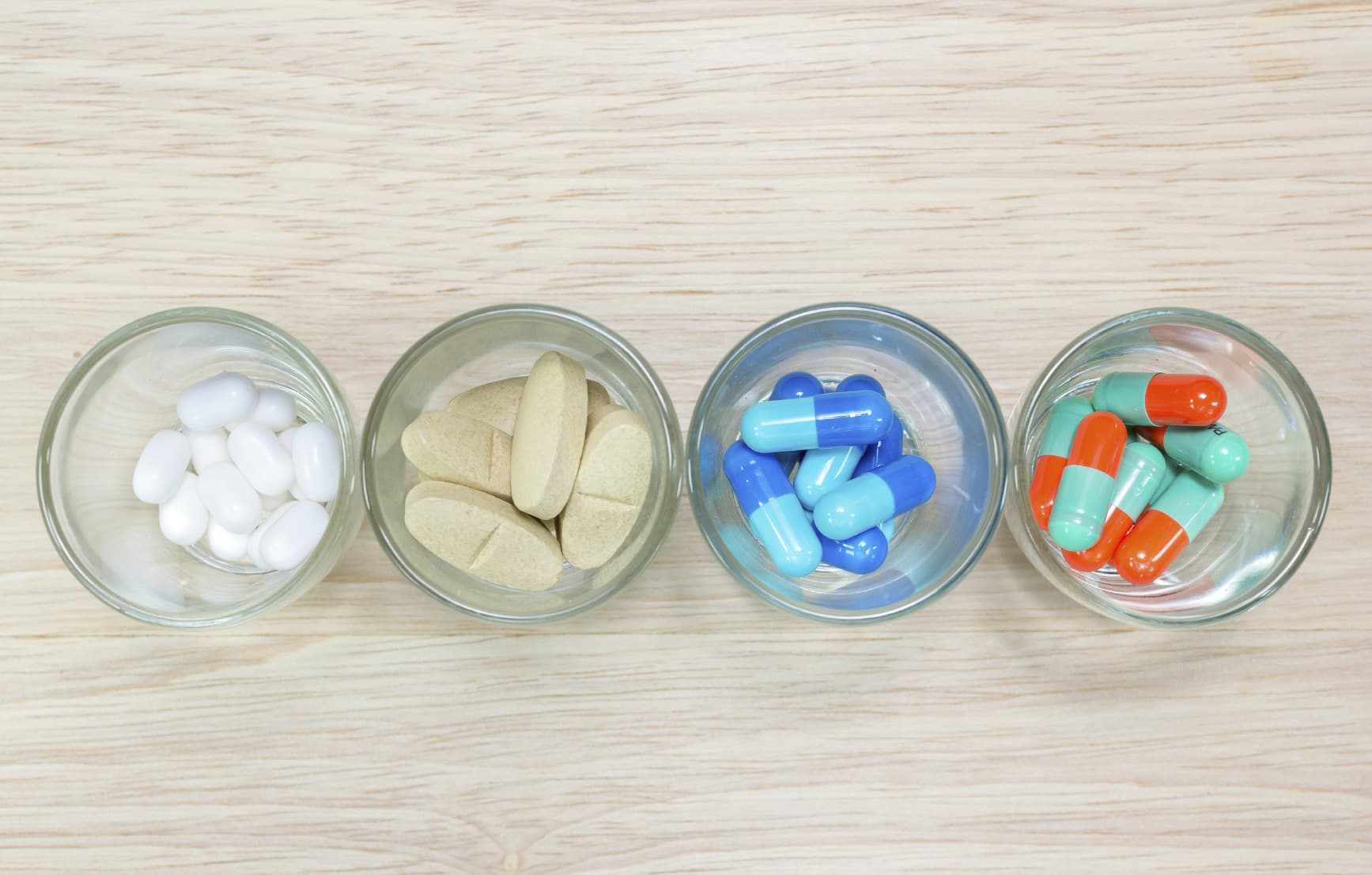
A placebo is an inactive treatment designed to look, feel, and taste like the real drug being tested. It might be a sugar pill, a saline injection, or any other substance that has no therapeutic effect on the condition being studied. The point of a placebo is to create a comparison group so researchers can measure whether the real treatment actually works beyond the body's natural responses and the psychological effects of receiving care.
This matters because the human body can respond to the mere act of being treated, something called the placebo effect. People in clinical trials often feel better simply because they are receiving attention, undergoing regular checkups, and believing they might be getting a helpful drug. Without a placebo group to compare against, it is hard to tell whether a drug is genuinely effective or whether patients are just responding to the experience of being in a study.
What Is Randomization?
Randomization is the process of randomly assigning participants to different groups in a trial, like a coin flip that decides whether you receive the real treatment or the placebo. You do not get to choose which group you are in, and usually the research team does not either. The assignment is typically done by a computer.
This random assignment exists to prevent bias. If doctors got to pick which patients received the real drug, they might (consciously or not) assign healthier patients to the treatment group, making the drug look more effective than it really is. Randomization ensures the groups are balanced in ways that strengthen the scientific conclusions. In rare disease trials especially, researchers often use 2:1 or 3:1 randomization ratios that favor active treatment, increasing your chances of receiving the real drug while still maintaining scientific rigor. Many rare disease trials skip placebos altogether, instead using active comparators or standard-of-care comparisons in over 50% of pivotal studies.
What Is Blinding?
Blinding (sometimes called masking) means that participants, doctors, or both do not know which treatment group a participant is in. In a single-blind study, the participant does not know but the doctor does. In a double-blind study, neither the participant nor the treating doctor knows. The researchers analyzing the data usually do not know either until the study ends.
Blinding helps prevent expectations from influencing results. If you know you are on the real drug, you might unconsciously report your symptoms as less severe. If your doctor knows, they might evaluate your progress differently. Blinding keeps the playing field level.
Will I Definitely Get a Placebo?
Not necessarily. Many clinical trials, especially for rare diseases where no approved treatments exist, do not use placebos at all. Instead, they might compare the new drug against the current standard of care, or they might use a single-arm design where everyone gets the treatment and the results are compared to historical data from untreated patients.
When a trial does use placebos, the ratio is not always 50/50. Many rare disease trials use 2:1 or 3:1 randomization, meaning two or three participants get the real drug for every one who gets the placebo. This increases your chances of receiving the active treatment while still maintaining the scientific rigor of the comparison.
What Happens If I Am on Placebo and Get Worse?
Every clinical trial has safety monitoring built in. An independent group called a Data Safety Monitoring Board (DSMB) reviews the incoming data at regular intervals. If the treatment is working significantly better than placebo, the DSMB can recommend stopping the trial early so everyone can receive the active drug. If safety concerns arise, they can also halt the study to protect participants.
You also have the right to withdraw from a trial at any time, for any reason, without it affecting your regular medical care. If your condition worsens during the trial, your doctor can pull you out and return you to standard treatment. Your safety always comes first, and no one is obligated to stay in a study that is not working for them. You can learn more about what happens during and after trials on our learning page.
One email when trials change or decisions land for the conditions you care about. No newsletter, no spam.
Questions Worth Asking
Understanding what you are signing up for is not just a formality. It is the foundation of informed consent. You should feel confident that you know how the trial works, what your chances are, and what protections are in place before you make your decision. The more clearly you understand these concepts, the more control you have over your own care.