Povetacicept and atacicept look like a typo of each other. The names differ by a few letters, both drugs treat IgA nephropathy, and both block the same 2 immune signals. One of them has been on the market as Trutakna since July, and the other goes before the FDA on November 30th.
If your nephrologist has mentioned either one, the comparison you can actually make is narrower than the headlines suggest. No trial has put the 2 drugs side by side. What exists is 2 separate placebo-controlled trials, ORIGIN 3 for atacicept and RAINIER for povetacicept, run in different patients at different times. They can be read next to each other with care, but they cannot crown a winner. This guide lays out what each trial showed, what an independent review concluded, what patients asked the FDA for before either drug existed, and how the choice looks in 7 common situations. For the full list of approved IgA nephropathy drugs and what each label promises, see our guide to the approved IgA nephropathy drugs.
| Atacicept, sold as Trutakna | Povetacicept | |
|---|---|---|
| Made by | Vera Therapeutics | Vertex Pharmaceuticals |
| How it works | Blocks BAFF and APRIL with a decoy built from the human TACI receptor | Blocks BAFF and APRIL with a decoy built from an engineered TACI domain |
| FDA status | Accelerated approval on July 7, 2026 to reduce urine protein in adults with primary IgA nephropathy at risk of progression | Under review for accelerated approval, decision due November 30, 2026 |
| Dose | 150 mg once a week | 80 mg every 4 weeks in the RAINIER trial |
| Injections a year | 52 | About 13 |
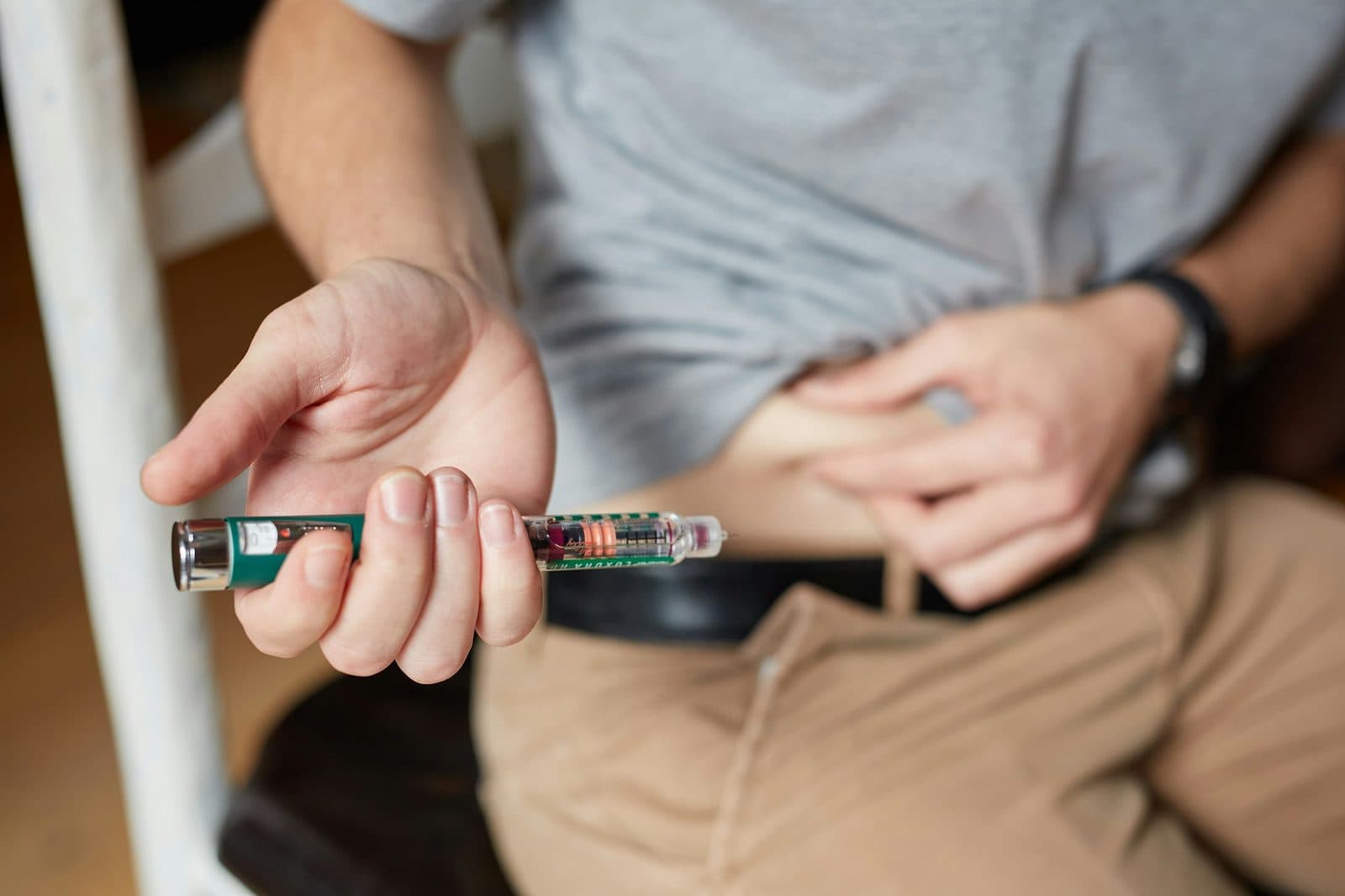
| How it is given | Self-injected under the skin at home from a 1 mL autoinjector | Vertex plans a home autoinjector holding under 0.5 mL if approved |
| Main trial | ORIGIN 3, with 428 patients in the final analysis | RAINIER, with 605 patients randomized |
| Urine protein at week 36 | Fell 46% against 7% on placebo, a 42% placebo-adjusted drop | Fell 52.0% against 4.3% on placebo, a 49.8% placebo-adjusted drop |
| 2-year kidney function | eGFR fell 0.6 points a year against 5.6 on placebo, reported by Vera and not yet reviewed by the FDA | Not reported yet, and the trial continues blinded |
| Most common side effects | Infections in 32% against 28% and injection site reactions in 30% against 5%, per the label | Upper respiratory infections in 18.3% against 11.4% and injection site reactions in 14.5% against 2.2%, per interim data |
| US list price | $425,000 a year, announced by Vera at approval | Not announced |
| Copay help | TRU SUPPORT, as little as $0 for eligible commercially insured patients | Not announced |
| Independent review | ICER rated the evidence B+ against no specific immune therapy in March 2026 | Not assessed by ICER |
| Drug profile | Atacicept drug page | Povetacicept drug page |
What IgA Nephropathy Patients Told the FDA Before These Drugs Existed
On August 19, 2019, about 125 people with IgA nephropathy and their families gathered in Hyattsville, Maryland, and 206 more joined online. Nine FDA staff members listened. The National Kidney Foundation and the IgA Nephropathy Foundation of America ran the meeting and turned it into a Voice of the Patient report dated December 8, 2020. At the time, the report noted, no approved drug targeted the disease itself.
Most of the stories were about prednisone, the steroid that was then the main option beyond blood pressure pills. A woman named Karen described taking 80 mg a day for 6 months after her nephrologist said it could cure the disease and let her get pregnant again. Within a month she had steroid-induced diabetes. She gained 70 pounds, needed a kidney transplant about 6 months after starting, and a biopsy a year later showed IgA nephropathy had come back in the new kidney.
“My kidney disease isn't what makes me feel bad all the time.”
Lillie, a teenage patient, describing prednisone side effects at the FDA patient meeting on IgA nephropathy, August 2019
Lillie told the meeting she gained 40 pounds in 3 months on prednisone and now needed physical therapy and sometimes crutches. Maureen, a private home care nurse, described learning her eGFR was 23 at diagnosis and being told she had 10 years to live without treatment. High-dose prednisone brought her eGFR back up to 59 within 18 months, and after 8 years of remission it began to slide again. A parent said a 15-year-old daughter had tried every available drug, was too young for any trial, and asked the FDA to open studies to younger patients. Another parent recalled asking the doctor what came next after a son's diagnosis and being told to "just pray."
Infections came up again and again, which matters for any drug that dampens the immune system. Sue described being knocked out of remission at least twice by an infection that turned into bronchitis and then pneumonia, once with her protein climbing to 3 grams and a second biopsy. She had stopped going to church because crowded rooms made her nervous about catching something. John, a 44-year-old insurance agent from Westbury, New York, described the stress of waiting on every blood draw and hoping for no change.
The polling that day reads differently now. Asked what mattered most in a future drug, 87% chose evidence that it would reverse the decline in kidney function and delay dialysis. Asked whether they would trust a newly approved drug, 86% said they would be very confident if it was approved on lower urine protein, and 92% if it was approved on slower loss of kidney function. That gap is the distance between accelerated approval and full approval. Trutakna is approved on the first kind of evidence and povetacicept is asking for the same, while Vera's 2-year results are the first step toward the second.
Patients also said how much risk they would take. If a new drug had worse side effects than their current treatment but would significantly slow the disease, 40% said they would be very likely to take it, 26% moderately likely, 24% slightly likely and 11% would not consider it. The meeting was funded by grants from 8 drug companies, none of them Vera or Vertex.
How Atacicept and Povetacicept Block BAFF and APRIL in IgA Nephropathy
IgA nephropathy starts with a faulty antibody. The body overproduces a version of IgA1 that is missing part of its sugar coating, called galactose-deficient IgA1 or Gd-IgA1. The immune system makes antibodies against it, the 2 bind into clumps, and the clumps settle in the kidney's filters, where they drive inflammation and scarring over years. Our IgA nephropathy page covers the disease in more depth.
B cells make that faulty IgA1, and B cells depend on 2 signaling proteins called BAFF and APRIL to survive and keep producing it. A receptor named TACI sits on the surface of B cells and catches both. Atacicept and povetacicept are each built from the outer piece of TACI joined to the stem of an antibody, which turns the receptor into a free-floating decoy that soaks up BAFF and APRIL before they reach B cells. Gd-IgA1 levels fall as a result.
The difference between the 2 drugs sits inside that decoy. Vera describes atacicept as a fusion protein containing the human TACI receptor. Vertex describes povetacicept as carrying an engineered TACI domain and says that in preclinical studies it showed improved binding, potency and behavior in the body compared with other BAFF and APRIL blockers. Those findings come from laboratory and animal work, and no study in people has tested whether they make a difference for patients.
A third drug approaches the same pathway from one side. Voyxact, approved in November 2025, blocks APRIL alone. Nephrologists reviewing ORIGIN 3 for the NephJC journal club called the value of blocking both signals instead of one an open question that only long-term kidney function data will settle.
Atacicept vs Povetacicept Side by Side, Approval Status and Dosing
The schedule is the most visible practical difference. A weekly shot adds up to 52 injections a year, while a shot every 4 weeks comes to 13.
ORIGIN 3 vs RAINIER Results for Atacicept and Povetacicept at Week 36
Both trials used the same yardstick for their first readout. Each measured how much protein leaked into the urine after 36 weeks with a urine protein-to-creatinine ratio from a 24-hour collection, and each tracked Gd-IgA1 and blood in the urine as secondary measures. Nearly every patient in both trials was already taking an ACE inhibitor or ARB, the blood pressure medicines that protect the kidney.
In ORIGIN 3, urine protein fell 46% on atacicept against 7% on placebo among the first 203 patients to reach week 36, a 42% placebo-adjusted reduction, according to the interim report by Richard Lafayette and colleagues in the New England Journal of Medicine. In RAINIER, Vertex reported on March 9th that urine protein fell 52.0% on povetacicept against 4.3% on placebo among 199 patients, a 49.8% placebo-adjusted reduction.
Povetacicept's numbers are higher on both measures, and it is tempting to stop reading there. Several differences between the trials make that comparison shakier than it looks. The placebo groups behaved differently, with urine protein falling 7% on placebo in ORIGIN 3 and 4.3% in RAINIER. In RAINIER's main group, 67.7% of patients already took an SGLT2 inhibitor, a kidney-protecting pill first developed for diabetes, against 53.2% of the ORIGIN 3 interim group. RAINIER gave the drug to 2 patients for every 1 on placebo while ORIGIN 3 split them evenly, and its blood-in-urine result rests on 36 placebo patients.
Differences like these can shift results from one trial to the next, and the gap between the 2 drugs on urine protein is under 10 percentage points. The independent reviewers at ICER made the same point about IgA nephropathy trials in general, noting that placebo groups behave differently across trials and that this limits how far results can be compared. The blood marker tells a similar story to urine protein. Gd-IgA1 fell 68% on atacicept against 3% on placebo in ORIGIN 3, while in RAINIER it fell 77.4% on povetacicept and rose 9.1% on placebo.
Trutakna's 2-Year ORIGIN 3 Kidney Function Results
Urine protein is a stand-in for the outcome patients want, which is kidneys that keep working and a life without dialysis. Doctors track that with eGFR, an estimate of how well the kidneys filter blood. On this question the 2 drugs are at different points in their trials.
Vera reported the final ORIGIN 3 efficacy results on September 15th, covering 428 patients followed for up to 2 years. Kidney function on Trutakna barely moved. Average eGFR changed by -0.1 at 52 weeks on Trutakna against -5.7 on placebo, and through 104 weeks eGFR fell 0.6 points a year on Trutakna against 5.6 on placebo, in units of mL/min/1.73 m2. Vera says this aligns with the KDIGO guideline goal of slowing decline to under 1 point a year, the rate expected from normal aging.
Those are topline numbers from the company. Vera says the detailed results will be presented at an upcoming scientific meeting, and they have not yet been through peer review or an FDA review. The Trutakna label still states that it has not been established whether the drug slows kidney function decline over the long term. That wording can change only after the FDA reviews the supplemental application Vera plans to file in the fourth quarter of 2026, and Vera has said it looks toward a potential full approval in 2027.
Povetacicept has no equivalent yet. RAINIER randomized 605 patients, and Vertex calls it the largest trial ever run in IgA nephropathy. Vertex said in March that the trial continues blinded, meaning neither the patients nor their doctors know who is receiving the drug. Its final analysis comes at 2 years of treatment and uses the yearly rate of eGFR change through week 104 as the main measure. Vertex's March announcement gave no date for that readout. Until it arrives, the case for povetacicept rests on 36 weeks of urine protein, blood markers and safety.
Atacicept and Povetacicept Side Effects Compared
Both drugs lower antibody production, and infection is the main safety question for any drug that does that. For someone like Sue, who lost remission to a chest infection, these are the first numbers to read. The figures below come from different sources, the Trutakna label for atacicept and the RAINIER interim safety data for povetacicept, which covered 557 patients treated for about 34 weeks on average.
- Infections
- The Trutakna label reports infections in 32% of patients against 28% on placebo, most often upper respiratory infections at 12% against 9%. In RAINIER, upper respiratory infections occurred in 18.3% on povetacicept against 11.4% on placebo, and the common cold in 9.7% against 12.4%. Serious infections occurred in 0.5% of both RAINIER groups.
- Injection site reactions
- The Trutakna label reports local reactions in 30% against 5% on placebo, including injection site reactions at 19% against 2% and redness at 6% against 1%. RAINIER reported injection site reactions in 14.5% on povetacicept against 2.2% on placebo, all mild or moderate. The companies grouped these reactions differently and Trutakna users inject 4 times as often, which makes the gap hard to read.
- Serious side effects
- In RAINIER, serious adverse events occurred in 3.0% on povetacicept against 4.3% on placebo, none were judged related to the drug, and no one died. The ORIGIN 3 interim report in the New England Journal of Medicine listed serious adverse events in 0.5% on atacicept against 5.1% on placebo.
- Opportunistic infections and antibody levels
- Neither program has reported an opportunistic infection. Vera also reported no clinically relevant hypogammaglobulinemia, meaning antibody levels low enough to cause trouble, through 2 years of ORIGIN 3.
- Vaccines and other medicines
- The Trutakna label asks patients to finish age-appropriate vaccines before starting and advises against live vaccines within 30 days before starting and during treatment. It also notes that use with other drugs that affect the immune system, including steroids that act throughout the body, has not been studied and may raise infection risk. Povetacicept has no label yet, and its instructions would come with an approval.
- What is still unknown
- ICER's review described atacicept and sibeprenlimab as appearing well tolerated while noting that their mechanism is new, which means rare or longer-term harms could still emerge. The same caution applies to povetacicept, which works on the same 2 signals.
What ICER's Independent Review Found on Atacicept, and Why Povetacicept Was Not Included
The Institute for Clinical and Economic Review, or ICER, is a Boston nonprofit that grades the evidence behind new drugs and estimates what price would match their benefit. Its final report on IgA nephropathy, published March 31, 2026, covered 3 drugs, sibeprenlimab, atacicept and the targeted-release steroid Nefecon. Povetacicept was not part of it. The review's scope was set in 2025, before RAINIER's first results came out on March 9, 2026.
ICER rated the evidence for atacicept a B+ against no specific immune-modifying treatment, which on its scale means high certainty of at least a small net health benefit. Its independent panel voted 13 to 1 that the evidence showed a net health benefit, and 9 to 5 that the evidence showed a net benefit over systemic steroids. When ICER tried to compare atacicept with sibeprenlimab directly, it rated the evidence insufficient, for the same cross-trial reasons described above. The panel also judged that atacicept and sibeprenlimab would likely substantially improve caregivers' quality of life or their ability to work, study and manage family life.
Povetacicept has no announced price, and Vertex has not described a patient support program for it.
Atacicept or Povetacicept in Real Life, 7 Situations IgA Nephropathy Patients Face
Newly diagnosed and offered Trutakna now
A 31-year-old had her biopsy in August. Her urine protein is still 1.6 grams a day on a full dose of an ARB and an SGLT2 inhibitor, and her nephrologist brings up Trutakna. She has read that povetacicept might be approved soon and would mean fewer shots. Trutakna is available now and has 2-year kidney data behind it, while povetacicept's earliest possible approval is November 30th, with a first dose typically weeks after that. Vera, citing a 2023 study, notes that at least 50% of patients may progress to kidney failure or death within 10 to 20 years of diagnosis. The useful question for her nephrologist is what a few more months at her current protein level would mean for her kidneys.
Already on Trutakna and tired of weekly shots
A 45-year-old has been on Trutakna for 2 months. The injections are quick, but the weekly reminder wears on him, and he travels for work. Neither company has reported results from patients switching between the 2 drugs, and povetacicept will not have a label to guide that until it is approved. Stopping an immune-modifying drug is a decision to plan with a nephrologist, including what labs to check and when, rather than one to make at the pharmacy counter.
Already enrolled in ORIGIN 3 or RAINIER
As of September 29, 2026, ClinicalTrials.gov lists both trials as active but no longer recruiting. Vera has said its earlier final analysis of ORIGIN 3 gives patients who were on placebo an earlier opportunity to move to open-label Trutakna, meaning treatment where everyone knows they are getting the real drug. RAINIER is still blinded. In either trial the study team is the right source for what happens next, and leaving a trial early can make the results harder to interpret for everyone who comes after.
Kidney function already below 30
A 58-year-old's eGFR has drifted down to 25. The main evidence for both drugs comes from people with more kidney function left, with ORIGIN 3 enrolling people with an eGFR above 29, according to the NephJC review, and RAINIER's main group requiring 30 or higher. RAINIER did include a separate exploratory group of 48 patients with an eGFR between 20 and 30, and Vertex's March interim results came from the main group only. Ask your nephrologist how the evidence applies at your level of kidney function.
Planning a pregnancy
IgA nephropathy is often diagnosed in young adults, and Karen's story shows how family plans can collide with treatment. The Trutakna label says the data from pregnancies during clinical trials are too limited to judge the risk of birth defects or miscarriage, and that the drug may suppress the immune system of a baby exposed before birth. It asks anyone exposed during pregnancy, or their doctor, to report it at 1-833-633-8372. Povetacicept has no label yet. Anyone planning a pregnancy should raise it before starting either drug.
A teenager with IgA nephropathy
Both drugs were tested in adults, and the Trutakna label states that safety and effectiveness in children have not been established. That echoes the parent at the 2019 meeting whose 15-year-old was too young for any trial. Families in this spot can ask the child's nephrologist whether any pediatric studies are open, and the IgA nephropathy trials list shows what is recruiting now.
Worried about the cost
Trutakna's list price is $425,000 a year, and what a patient pays depends on the insurance plan and on support programs. Vera's TRU SUPPORT program says eligible commercially insured patients may pay as little as $0, and our patient assistance finder lists support programs for approved IgA nephropathy drugs. If coverage is denied, our guide to appealing an insurance denial walks through the steps and deadlines.
When Will the FDA Decide on Povetacicept?
The FDA's target date is November 30, 2026. Vertex announced on June 1st that the agency had accepted its application for accelerated approval, and it used a priority review voucher to cut the review from 10 months to 6. Povetacicept also holds Breakthrough Therapy designation for IgA nephropathy. The FDA can approve on or before the date or send a complete response letter explaining what it needs first, and our povetacicept FDA calendar page will show the outcome the day it arrives.
- Aug 2019Patients speak to the FDAAbout 125 people in Hyattsville, Maryland and 206 online describe life with IgA nephropathy before any targeted drug exists.
- Nov 2025ORIGIN 3 publishedWeek 36 atacicept results appear in the New England Journal of Medicine.
- Jan 2026Priority review for ataciceptThe FDA sets a July 7, 2026 target date for Vera's application.
- Mar 9, 2026RAINIER week 36 resultsVertex reports a 49.8% placebo-adjusted drop in urine protein with povetacicept.
- Mar 31, 2026ICER final reportAtacicept rated B+ against no specific immune therapy. Povetacicept not assessed.
- Jun 1, 2026Povetacicept application acceptedThe FDA sets a November 30, 2026 decision date after Vertex uses a priority review voucher.
- Jul 7, 2026Trutakna approvedAccelerated approval, with a $425,000 annual list price announced the same day.
- Sep 15, 2026ORIGIN 3 final resultseGFR falls 0.6 points a year on Trutakna against 5.6 on placebo through 2 years.
- Q4 2026Vera files for full approvalPlanned supplemental application based on the 2-year results.
- Nov 30, 2026FDA decision on povetaciceptTarget action date for accelerated approval.
Questions to Ask Your Nephrologist About Atacicept and Povetacicept
That choice belongs to you and your nephrologist, and it depends on things no article can see, like your biopsy, your protein level and how fast your eGFR has been falling. These questions can make the conversation more concrete.
- What would waiting cost me?
- The earliest povetacicept could be approved is November 30th, and a first dose usually comes weeks after any approval. Ask what your kidney function trend suggests about a delay of several months.
- Which schedule fits my life?
- Both are home autoinjectors, one weekly and one every 4 weeks. For someone who travels often or dreads needles, 52 injections a year against 13 is a difference to raise.
- How does this fit with what I already take?
- Bring a full list of your medicines, including any steroid, since the Trutakna label notes that combining it with other immune-suppressing drugs has not been studied.
- What will we measure, and when?
- Ask which urine protein and eGFR numbers would count as the drug working for you, and when they will be checked.
- Is there a trial I could join?
- The IgA nephropathy trials list shows studies recruiting now, including some testing other approaches to the disease.
Atacicept vs Povetacicept Questions Patients Are Asking
What is the difference between atacicept and povetacicept?
Both are injectable fusion proteins built from the TACI receptor that block BAFF and APRIL, 2 signals that keep the B cells making faulty IgA1 alive. Atacicept is built on the human TACI receptor and is FDA approved as Trutakna, injected once a week. Povetacicept uses an engineered TACI domain, is under FDA review with a decision due November 30, 2026, and was given every 4 weeks in its Phase 3 trial. No trial has compared them directly.
Is Trutakna the same as atacicept?
Trutakna is the brand name for atacicept-vymj from Vera Therapeutics. The FDA granted it accelerated approval on July 7, 2026 to reduce protein in the urine in adults with primary IgA nephropathy who are at risk of disease progression.
When will the FDA decide on povetacicept?
The FDA target action date for povetacicept is November 30, 2026. Vertex applied for accelerated approval based on week 36 results from the Phase 3 RAINIER trial and used a priority review voucher to shorten the review to 6 months.
What was the PDUFA date for atacicept?
The FDA set a target action date of July 7, 2026 when it granted atacicept priority review in January 2026, and it approved the drug as Trutakna on that date.
How often do you inject atacicept vs povetacicept?
Trutakna is 150 mg injected under the skin once a week with a 1 mL autoinjector, which is 52 injections a year. Povetacicept was given as 80 mg every 4 weeks in the RAINIER trial, about 13 injections a year, and Vertex plans an autoinjector holding under 0.5 mL for home use if it is approved.
Which is more effective, atacicept or povetacicept?
Nobody knows yet, because the 2 drugs have never been tested against each other. At week 36, urine protein fell 46% on atacicept against 7% on placebo in ORIGIN 3, and 52.0% on povetacicept against 4.3% on placebo in RAINIER. The trials enrolled different patients on different background treatment, which makes a direct ranking unreliable. Atacicept is the only one of the 2 with 2-year kidney function results.
Does atacicept protect kidney function long term?
Two-year trial results point that way. In the final ORIGIN 3 analysis of 428 patients, reported by Vera in September 2026, eGFR fell 0.6 points a year on Trutakna against 5.6 on placebo, and the risk of kidney disease progression was 76% lower. The FDA has not yet reviewed these results, and the label still says long-term benefit has not been established. Vera plans to apply for full approval in the fourth quarter of 2026.
What are the side effects of atacicept?
According to the Trutakna label, the most common side effects were infections, in 32% of patients against 28% on placebo, and reactions at the injection site such as redness, in 30% against 5%. The most common infection was an upper respiratory infection. Live vaccines are not recommended within 30 days before starting or during treatment.
Is atacicept an immunosuppressant?
It suppresses part of the immune system. The Trutakna label says it reduces antibody production, which may increase the risk of infections, and advises checking for active infections before starting and monitoring for infection during treatment.
How much does Trutakna cost?
Vera announced an annual US list price of $425,000 when Trutakna was approved in July 2026, according to BioPharma Dive. What a patient pays depends on insurance. Vera's TRU SUPPORT program says eligible commercially insured patients may pay as little as $0, and ICER had calculated a price range of $60,000 to $80,000 a year that it judged would match the drug's health benefits.
Who makes atacicept and povetacicept?
Vera Therapeutics, based in Brisbane, California, makes atacicept and sells it in the US as Trutakna. Vertex Pharmaceuticals, based in Boston, is developing povetacicept, which also goes by the code ALPN-303.
Can I switch from Trutakna to povetacicept?
Povetacicept is not approved yet, and neither company has reported results from patients switching between the 2 drugs. Any change should be planned with your nephrologist rather than made by stopping a medicine on your own.
Did ICER review povetacicept?
It did not. ICER's final report on IgA nephropathy, published March 31, 2026, covered sibeprenlimab, atacicept and Nefecon. It rated the evidence for atacicept B+ against no specific immune-modifying treatment and found the evidence insufficient to compare atacicept with sibeprenlimab directly.
Is povetacicept approved?
It is not approved yet. As of September 29, 2026, povetacicept is under FDA review for IgA nephropathy with a decision due November 30, 2026. Until then it remains an investigational drug.
In 2019 a parent was told to pray. Seven years later, a newly diagnosed patient can be handed a weekly injection with 2-year kidney data behind it, and may have a second option on an every-4-week schedule if the FDA says yes on November 30th. The first fair look at kidney function on both drugs will come when RAINIER reports its 2-year eGFR results and they can be set beside ORIGIN 3's, still as a reading across 2 trials rather than a head-to-head answer.
We will update this post when the FDA acts on povetacicept. The signup below sends that decision the day it happens.
One email when IgA Nephropathy trials change or an FDA decision lands. No newsletter, no spam.