In 1998, the FDA approved the only human Lyme disease vaccine ever brought to market. LYMErix, made by SmithKline Beecham, showed 76 to 78% efficacy after 3 doses. It sold 1.5 million doses in its first year. By 2002, sales had collapsed to roughly 10,000 doses, and the company pulled it. The vaccine didn't fail because it was unsafe. It failed because a class-action lawsuit alleged it caused autoimmune arthritis, media coverage amplified the claim, and the growing anti-vaccine movement of the early 2000s did the rest (Poland, 2011). Pre- and post-licensure safety data showed no difference in arthritis rates between vaccinated and unvaccinated groups. GlaxoSmithKline settled the lawsuit in 2003 while maintaining the vaccine had caused no harm.
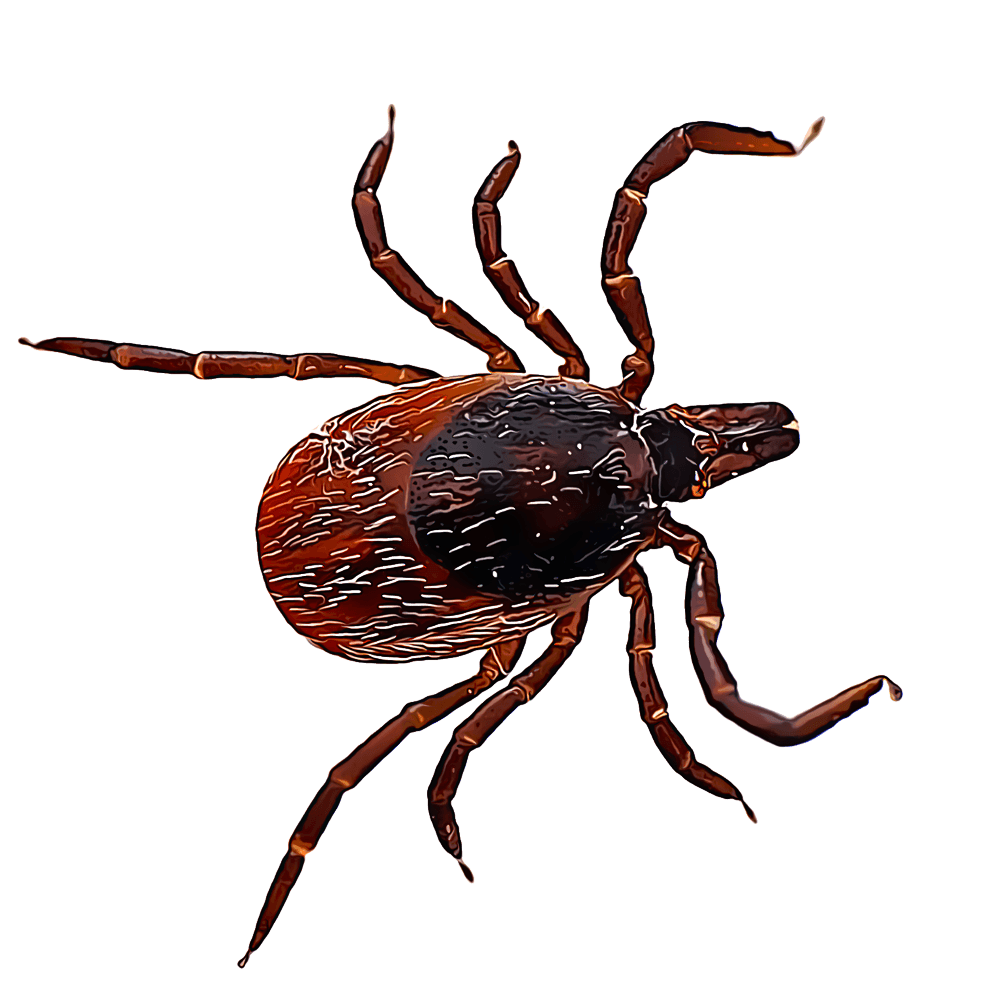
24 years later, ticks are in more places, infecting more people, carrying more pathogens. The blacklegged tick, also known as the deer tick (Ixodes scapularis), has expanded its range across the eastern United States into counties where it didn't exist a generation ago. The CDC estimates 476,000 new Lyme infections per year in the U.S. alone. Babesiosis became nationally notifiable in 2011. Anaplasmosis incidence in Maine jumped from 7 to 50 cases per 100,000 in just 4 years. The problem got worse while the only vaccine gathered dust.
Pfizer and Valneva are trying to bring a vaccine back. VLA15 is a vaccine candidate targeting 6 strains of the Borrelia bacteria, currently in Phase 3 trials, and the VALOR trial reported 73 to 75% efficacy in March 2026. Pfizer plans to submit for FDA approval in the second half of 2026. The trial technically missed its pre-specified primary endpoint at one timepoint (at one measurement point, the statistical range of the results dipped below the target threshold at 28 days after the fourth shot) but met it at the day-1-after-dose-4 analysis. The path to approval isn't clean, but it's real, and it would be the first Lyme vaccine available since LYMErix disappeared.
This post isn't really about the vaccine, though. It's about what happens in the body after a tick bite when there is no vaccine, when the tick carries more than just Borrelia burgdorferi, and when the patient's doctor has never heard of the other things crawling in alongside it.
One tick, multiple pathogens, rare diseases
If you got sick after a tick bite and your Lyme test came back negative, the tick may have been carrying something else entirely. The blacklegged tick is a confirmed vector for at least 7 human pathogens, including Borrelia burgdorferi (Lyme), Babesia microti (babesiosis), Anaplasma phagocytophilum (anaplasmosis), Borrelia miyamotoi, Ehrlichia muris eauclairensis, and Powassan virus. A single tick bite can deliver multiple infections simultaneously. Studies in endemic areas show coinfection rates of 2 to 40% depending on geography, with the highest rates in New England and the upper Midwest (Diuk-Wasser et al., 2016).
Lyme disease itself is not classified as a rare disease. Three of its coinfections, babesiosis, bartonellosis, and anaplasmosis, are. GARD, NORD, and Orphanet all classify them. Babesiosis has fewer than 3,000 reported U.S. cases per year. Anaplasmosis is listed at a prevalence below 1 per 1,000,000 by Orphanet. Bartonellosis meets the European threshold of affecting fewer than 1 in 2,000 people.
We added all 3 to Trial Friend this month, each with a full disease page, medication conflict checker, genetic education section, and patient-specific questions for your doctor. They sit alongside the other 195 rare diseases already on the site. If you have one of these diagnoses or suspect you might, search for active trials here.
The blacklegged tick is not staying put
The geographic story is straightforward and alarming. Since 1996, the CDC has documented a steady northward and westward expansion of Ixodes scapularis populations across the eastern United States. 36 states now contribute data to the CDC's National Tick Surveillance Program, covering 1,128 counties. Areas that were tick-free 20 years ago, including parts of the Ohio River Valley, mid-Atlantic states, and even a confirmed specimen in Bozeman, Montana in 2023, are now reporting established blacklegged tick populations (Eisen et al., 2023).
The expansion is driven by a convergence of factors that aren't going to reverse. Milder winters and longer warm seasons have extended the tick activity window in many regions. White-tailed deer populations, the primary host for adult blacklegged ticks, have recovered from historic lows and now number roughly 30 million in the U.S. Reforestation of former agricultural land and suburban development into wooded areas create ideal tick habitat at the exact interface where people live, recreate, and garden.
The western blacklegged tick (Ixodes pacificus) serves the same vector role on the Pacific coast. Between the two species, the majority of the U.S. population now lives within the range of an Ixodes tick capable of transmitting Lyme, babesiosis, and anaplasmosis.
What each coinfection actually does
Babesiosis is a parasitic infection caused by Babesia microti. Like malaria, the parasites invade and destroy red blood cells, causing hemolytic anemia (where your body destroys its own red blood cells) that can range from unnoticeable to fatal. Immunocompromised patients and people without a functioning spleen face the highest risk of severe or relapsing disease. Tafenoquine, an antimalarial drug, is currently in a Phase 2 trial (the B-FREE study at Mount Sinai, sponsored by 60 Degrees Pharmaceuticals) for patients with chronic babesiosis who have failed standard treatment. It's the most active clinical trial pipeline of any tick-borne coinfection.
Anaplasmosis targets neutrophils, the white blood cells your immune system depends on to fight bacterial infections. Anaplasma phagocytophilum literally reprograms these cells to prevent them from self-destructing, hijacking your immune system from the inside. The resulting immune suppression can reactivate dormant viruses like Epstein-Barr and cytomegalovirus, adding layers of crushing fatigue, brain fog, and organ involvement on top of the primary infection. Doxycycline works well for uncomplicated cases, with fever resolving within 24 to 48 hours. The problem is when anaplasmosis occurs alongside Lyme or babesiosis, because the immune suppression it causes may reduce the body's ability to clear coexisting pathogens.
Bartonellosis is the most controversial of the three. The established transmission route for Bartonella henselae is cat scratches, but laboratory studies have shown that Ixodes ricinus ticks feeding on Bartonella-spiked blood retained bacterial DNA in over a third of samples, and Bartonella DNA has been found in approximately 3% of wild ticks tested across global surveys. Columbia University researchers consider ticks a plausible vector. Bartonella infects vascular endothelial cells (the cells lining your blood vessels) and can disrupt the autonomic nervous system (the part that controls automatic functions like heart rate and digestion), contributing to gastroparesis (delayed stomach emptying), heart rhythm problems, and widespread pain. The Steven and Alexandra Cohen Foundation awarded $4.8 million to a research consortium at NC State, Duke, and Tulane to develop novel Bartonella treatments.
Ehrlichia muris eauclairensis (EME) deserves a mention here because it's the newest addition to the list of confirmed human pathogens carried by the blacklegged tick, and most doctors haven't heard of it yet. First identified in patients from Minnesota and Wisconsin, EME causes ehrlichiosis (fever, headache, muscle aches, nausea) and responds to doxycycline, similar to anaplasmosis. Roughly 90 confirmed cases have been reported, almost all from the upper Midwest. The CDC didn't include EME in its official ehrlichiosis surveillance case definition until 2024, which means earlier cases may have been missed or miscategorized. In 2023, researchers detected EME DNA in blacklegged ticks submitted from Massachusetts, suggesting the pathogen's range may be expanding beyond where it was originally found.
The science that used to be dismissed is getting published
For years, the idea that Borrelia burgdorferi could persist in the body after standard antibiotic treatment was treated as fringe. The IDSA position, which has dominated mainstream infectious disease practice, holds that 2 to 4 weeks of antibiotics eliminates the infection and that lingering symptoms represent a post-infectious inflammatory syndrome, not active infection.
That position is getting harder to maintain without qualification. Researchers at Johns Hopkins published work showing that Borrelia biofilm-like microcolonies are significantly more tolerant to standard Lyme antibiotics (doxycycline, ceftriaxone, cefuroxime) than the active spirochete form, and that these biofilm structures cause more severe arthritis in mouse models than actively growing bacteria (Feng et al., 2019). Monica Embers' lab at Tulane demonstrated Borrelia persistence in primates after antibiotic treatment. A 2023 review in Virulence documented the pleomorphic nature of Borrelia (meaning it can change shape), its ability to shift between spirochete, round body, and biofilm forms, each responding differently to antibiotics (Rudenko et al., 2023).
None of this means the question is settled. The big unanswered question is whether this bacterial persistence is actually what drives the ongoing symptoms in treated patients, and that remains debated. The NIH awarded $3.2 million in first-year funding across 5 projects specifically to study post-treatment Lyme disease syndrome (PTLDS), which the CDC estimates affects 10 to 20% of treated Lyme patients. That's 47,000 to 95,000 new PTLDS cases per year in the U.S. alone.
“The patient's clinical presentation, potential exposure to ticks, symptom profile, and the possibility of coinfections should all be part of the differential diagnosis. Serologic testing (blood antibody tests) is used in a supportive manner, not as the sole determinant.”
ILADS clinical guidelines
Two schools of medicine, one disease
The divide between the Infectious Diseases Society of America (IDSA) and the International Lyme and Associated Diseases Society (ILADS) is not a minor academic disagreement. It shapes which tests get ordered, which diagnoses get made, and which patients get treated.
IDSA guidelines rely on the CDC's two-tier serologic testing protocol. Can a Lyme test be wrong? Frequently. Multiple peer-reviewed studies have shown that this approach produces false negatives in approximately half of actual Lyme cases, particularly in early infection before the antibody response has fully developed. ILADS-trained physicians consider the full clinical picture, including tick exposure history, symptom pattern, and the possibility of coinfections, using blood test results as one piece of the puzzle rather than as a gatekeeper for diagnosis.
The practical result for patients is stark. A 2024 study in the journal PLOS ONE documented that the median Lyme patient sees 10 doctors before receiving a diagnosis. A separate survey of over 2,400 patients with chronic Lyme disease found that half had seen 7 or more physicians, and the average time from tick bite to diagnosis was 8 years (Johnson et al., 2014). During those years, many patients report being told their symptoms are psychosomatic. Johns Hopkins' Lyme Disease Research Center published a study explicitly titled "Research Substantiates Lyme Disease Is Not a Psychosomatic Illness," responding to a pattern of dismissal that the researchers themselves had observed clinically.
This is where Lyme-literate medical doctors (LLMDs) enter the picture. LLMDs are physicians, often infectious disease specialists or internists, who have pursued additional training through ILADS in recognizing tick-borne coinfection patterns, interpreting ambiguous test results in clinical context, and treating patients who have been through the diagnostic gauntlet without answers. ILADS maintains a provider directory. The distinction matters because a standard infectious disease workup may test for Lyme alone, while an LLMD will screen for Babesia, Anaplasma, and Bartonella as a matter of course.
Finding an LLMD is one problem. Paying for one is another. A 2022 study in Frontiers in Medicine surveyed clinicians who treat persistent Lyme disease and found that 74% do not participate in insurance networks and 76% do not directly bill insurers (Rebman et al., 2022). Most LLMDs operate as out-of-network or cash-pay practices. Patients report annual out-of-pocket costs between $10,000 and $20,000 for treatment, with some cases running significantly higher depending on disease complexity and the number of coinfections involved.
The insurance gap exists because coverage decisions follow the CDC definition, and the CDC does not recognize chronic Lyme disease as a distinct diagnosis. If your doctor prescribes antibiotics beyond the standard 2 to 4 week protocol, insurance companies routinely deny the claim. Specialized testing for coinfections, like BAPGM enrichment culture for Bartonella through Galaxy Diagnostics, is often denied as experimental. A 2015 LymeDisease.org survey of over 6,000 chronic Lyme patients found that 42% had to quit or cut back on work because of their illness, compounding the financial pressure of treatments their insurance won't cover.
Some LLMD offices offer superbills (itemized receipts patients can submit to insurance for partial reimbursement), and organizations like Project Lyme maintain resources for managing out-of-pocket costs. Several states have passed or proposed legislation requiring insurers to cover extended Lyme treatment prescribed by licensed physicians, though enforcement varies. The financial barrier is real, and for many patients it determines whether they get treated at all.
The Western blot problem (and why it's finally changing)
The two-tier testing protocol that has dominated Lyme diagnosis since the mid-1990s works like this. First, your blood is screened with an ELISA (enzyme-linked immunosorbent assay), which looks for antibodies against Borrelia burgdorferi. If that comes back positive or equivocal, your sample goes to a second test called a Western blot, which separates bacterial proteins into distinct bands on a strip. For the IgG Western blot to count as positive under CDC criteria, 5 out of 10 specific protein bands must be reactive. For IgM, 2 out of 3 bands must light up.
Here is where it breaks down. In early Lyme infection, the first 4 to 6 weeks after a tick bite, many patients haven't produced enough antibodies to trigger 5 bands on the IgG blot. A patient can have 3 or 4 reactive bands, including bands considered highly specific to Borrelia (like 23, 31, 34, 39, and 93 kDa), and still receive a negative result because the threshold wasn't met. The overall sensitivity of the standard two-tier protocol is approximately 53.7% across all stages of disease (Lyme Disease Diagnostics Research, NIAID). In early localized infection, the kind where prompt treatment matters most, sensitivity drops as low as 41% (Branda et al., 2017).
What that looks like in practice is a patient who finds the tick, develops the rash, sees a doctor, gets tested, and is told they're negative. They feel worse. They see another doctor. Same test, same result. By the third or fourth visit, some physicians start suggesting the symptoms are psychosomatic or stress-related. The 2024 PLOS ONE study documented this pattern across thousands of patients. 10 doctors before a diagnosis. 8 years on average from tick bite to accurate identification. That gap isn't because these patients are difficult. It's because the test they depend on misses roughly half of them.
The Western blot also has a subjectivity problem. Reading the bands requires interpretation, and different labs can score the same sample differently. Band intensity isn't always clear-cut, and there's no automated standardization across commercial laboratories.
In July 2019, the FDA cleared a modified two-tier testing protocol (MTTT) that replaces the Western blot with a second ELISA. Instead of ELISA followed by a subjective band-reading exercise, MTTT uses two sequential blood antibody tests, both of which are read by a machine rather than a human, removing the subjectivity. The FDA's clearance was based on clinical studies showing MTTT is as accurate as the standard protocol for late-stage disease and significantly more sensitive for early infection (FDA, 2019).
The numbers from Branda et al. (2017) in the Journal of Clinical Microbiology tell the story. For patients with acute erythema migrans (the early bullseye rash stage), standard two-tier testing caught 41% of confirmed cases. MTTT protocols caught between 56% and 74%, depending on the specific assay combination used. For later-stage Lyme (arthritis, carditis (heart inflammation), neuroborreliosis (nervous system involvement)), both protocols performed comparably at 96 to 100% sensitivity. The specificity remained above 99% for both, meaning the improved sensitivity didn't come at the cost of more false positives.
The CDC updated its recommendations in August 2019 to include MTTT as an acceptable alternative to standard two-tier testing. Major commercial labs like Quest Diagnostics and Labcorp now offer MTTT panels. Mayo Clinic Labs adopted it in 2021. The shift is happening, though not evenly. Many physicians still order the standard Western blot because that's what they learned, and some insurance systems haven't caught up with the newer protocol options.
Genetics, detox, and treatment reactions
MTHFR is a gene involved in methylation, a biochemical process your body uses for detoxification, DNA repair, and neurotransmitter production. Common variants (C677T and A1298C) reduce the efficiency of this pathway, which is normally a manageable genetic quirk. During active tick-borne infection, when the body is processing inflammatory byproducts from dying pathogens, reduced methylation capacity becomes clinically relevant.
Patients undergoing treatment for babesiosis, bartonellosis, or Lyme disease may experience Jarisch-Herxheimer reactions, a temporary worsening of symptoms as pathogens die off and release inflammatory byproducts. These reactions are well-documented in the medical literature and are not controversial. What is less established, though increasingly discussed in clinical practice, is whether patients with MTHFR variants experience more severe Herxheimer reactions due to impaired detoxification capacity. Some LLMDs recommend methylated B vitamins (methylfolate, methylcobalamin) during treatment to support these pathways.
HLA-DR4 is a gene variant associated with antibiotic-refractory Lyme arthritis (joint inflammation that won't go away even after antibiotics). DR4 subtypes bind to pieces of the Borrelia bacteria in a way that may trigger the immune system to keep attacking the joints even after the infection itself is cleared. TLR1 polymorphisms (variations in a gene called TLR1, specifically the 1805GG variant) appear at significantly higher frequency in patients with treatment-resistant Lyme arthritis, 60% versus 43% in treatment-responsive patients (Strle et al., 2012). These genetic factors don't cause tick-borne disease, but they influence who gets sicker, who stays sicker, and who responds to treatment.
What patients encounter when they start searching
Trial Friend exists to connect rare disease patients with clinical trials. Babesiosis, bartonellosis, and anaplasmosis are classified rare diseases with active research pipelines, and that's why they're on this site. The patient journey for these conditions doesn't stay inside hospital walls, though. People searching for babesiosis trials and Bartonella treatment options are the same people encountering these claims in support groups, on practitioner websites, and in conversations with other patients. Ignoring that reality would mean ignoring the actual experience of the people this site exists to help. What follows is our best effort to present what's documented, what's being studied, and what remains unresolved, without telling patients what to believe.
If you've lived near Lyme, Connecticut, you've heard the stories. Neighbors who worked at Plum Island Animal Disease Center, the federal research lab sitting 9 miles off the coast. Tick infestations so dense they formed visible clusters on fence posts and leaf litter. Michael Carroll's 2004 book Lab 257 documented that Plum Island conducted biological research on ticks as early as the 1950s, and that the island's proximity to Old Lyme, where the disease was first identified in 1975, has fueled decades of questions about whether the outbreak was accidental or engineered. The U.S. government acknowledged that Fort Detrick and affiliated labs conducted open-air biological dispersal tests during the Cold War, some involving insects and ticks as carriers. In 2019, the House of Representatives passed an amendment directing the Pentagon's Inspector General to investigate whether the Department of Defense experimented with weaponized ticks. The investigation was authorized. The results, as of this writing, have not been published.
Is Lyme disease a bioweapon? The honest answer is that nobody outside classified programs can say definitively. What is documented is that the U.S. military researched tick-borne pathogens, that Plum Island sat within the geographic epicenter of the first recognized Lyme cluster, and that the government's own legislative branch considered the question serious enough to order a formal investigation. Dismissing this as conspiracy requires ignoring the congressional record. Taking it as proven requires evidence that hasn't surfaced publicly. Patients who raise these questions aren't irrational. They're reading the same declassified documents and asking why the timeline fits.
Colloidal silver is another topic that comes up in nearly every Lyme patient community. The conventional position is straightforward: the FDA does not recognize colloidal silver as safe or effective for treating any disease, and chronic ingestion can cause argyria, a permanent bluish-gray skin discoloration. That said, peer-reviewed research has documented silver nanoparticles' antimicrobial properties against a range of gram-negative and gram-positive bacteria in laboratory settings (Yin et al., 2020, ACS Nano). A 2015 study published in Antibiotics found that biologically produced silver nanoparticles showed activity against Borrelia burgdorferi biofilm forms in lab tests. These are laboratory findings, not clinical proof, and no human trials have been conducted for tick-borne infections. The gap between test-tube activity and safe, effective treatment in a living person is wide. It's also a gap that nobody with funding has bothered to try to close.
Rife machines are the other treatment you'll hear about within the first week of joining any Lyme support group. The concept dates back to Royal Raymond Rife, an American inventor who built high-magnification microscopes in the 1920s and 1930s and theorized that specific electromagnetic frequencies could destroy pathogens by vibrating them at their resonant frequency. Modern Rife devices are frequency generators that deliver low-energy electromagnetic pulses, and they have a dedicated following among chronic Lyme patients. The LymeDisease.org MyLymeData project, which surveyed thousands of patients, found that 35% of those who tried Rife machines reported them as moderately (21%) to very effective (14%). That's patient-reported data, not a clinical trial, and the survey didn't include a control group.
No peer-reviewed clinical trials have tested Rife machines against Borrelia or any tick-borne pathogen. The FDA classifies them as experimental devices and does not recognize health claims associated with them. Where it gets more interesting is in the adjacent field of pulsed electromagnetic field (PEMF) therapy, which does have peer-reviewed research behind it. A 2022 study in Microbiology Spectrum demonstrated that PEMF significantly inhibited Staphylococcus epidermidis (a common skin bacterium) biofilm formation and disrupted existing biofilms in lab settings, and that PEMF combined with antibiotics was more effective together than either one alone (Wang et al., 2022). A 2025 study in Nature's npj Biofilms and Microbiomes examined PEMF's ability to modulate microbial communities in implant-related infections. PEMF and Rife aren't identical technologies, but they share the core premise that electromagnetic energy can affect microbial behavior. The PEMF research is moving forward with proper methodology. Whether anyone will apply that rigor to Rife-specific protocols and Borrelia-specific targets remains an open question.
Organ polarity testing, various detoxification protocols, and other alternative approaches circulate widely in patient groups, both online and in person. Some of these have no published mechanism of action. Others, like low-dose immunotherapy and herbal antimicrobials (particularly Cryptolepis sanguinolenta (an African medicinal plant), which showed lab activity against Borrelia in a Johns Hopkins study), sit closer to the boundary between alternative and evidence-based medicine. The pattern worth paying attention to is how often ideas dismissed by the mainstream eventually get studied and validated. Biofilm persistence was speculative 10 years ago; Johns Hopkins published mouse model data supporting it. Borrelia pleomorphism was questioned; it's now documented across multiple peer-reviewed reviews. MTHFR's relevance to treatment tolerance was dismissed; it's discussed in clinical practice. The history of Lyme research is a history of patients being right before doctors were willing to listen.
The CDC has moved, slowly
The CDC's official position has shifted over the past decade, though not as fast as patients would like. The agency now uses the term "post-treatment Lyme disease syndrome" (PTLDS) to describe persistent symptoms after standard antibiotic treatment, acknowledging that 10 to 20% of treated patients experience prolonged fatigue, pain, and cognitive difficulty. That's a significant shift from an institution that spent years resisting the idea that Lyme could cause anything beyond what a 2-week course of doxycycline could fix.
The CDC still discourages the term "chronic Lyme disease," arguing it implies ongoing bacterial infection when the cause of persistent symptoms is not fully understood. NIAID's position, based on 3 clinical trials where some patients received real treatment and others received a placebo, is that prolonged antibiotic therapy for PTLDS does not show sustained benefit and carries risks. ILADS disputes the design and interpretation of those trials and points to newer persistence data that wasn't available when they were conducted.
Where both sides agree is that more research is needed. The $3.2 million NIAID commitment to PTLDS research, the $4.8 million Cohen Foundation investment in Bartonella, and Pfizer's decision to spend hundreds of millions developing VLA15 all signal that the medical establishment is taking tick-borne disease more seriously than it did 10 years ago. The question is whether the pace of institutional change can keep up with the pace of tick expansion.
Finding clinical trials for tick-borne rare diseases
If you have babesiosis, bartonellosis, or anaplasmosis, or if you're a Lyme patient who has never been tested for coinfections, here's where to start.
Trial Friend now has full disease pages for all 3 tick-borne coinfections. Each page includes a medication conflict checker that screens your current drugs against active trial exclusion criteria, genetic education covering MTHFR, HLA-DR4, TLR1, and disease-specific immune factors, and questions to bring to your doctor or LLMD. The pages for bartonellosis and anaplasmosis cover the same ground tailored to each infection.
Ask your doctor whether coinfection testing has been done. If you tested positive for Lyme, the same tick could have transmitted Babesia and Anaplasma. Standard Lyme workups don't automatically include these. A blood smear can detect Babesia ring forms in red blood cells. PCR testing and morulae (clusters of bacteria visible inside white blood cells) on blood smear can confirm Anaplasma. Bartonella requires specialized testing (BAPGM enrichment culture, a specialized blood culture offered through Galaxy Diagnostics and similar labs) because standard blood antibody tests miss many cases.
The tick problem is not going away. The geographic range is expanding. The pathogen load per tick remains high. The diagnostic infrastructure remains inadequate. What is changing, finally, is the research funding, the clinical trial activity, and the willingness of at least some corners of the medical establishment to take these patients seriously. For 3 rare diseases that most emergency rooms have never heard of, it's about time.