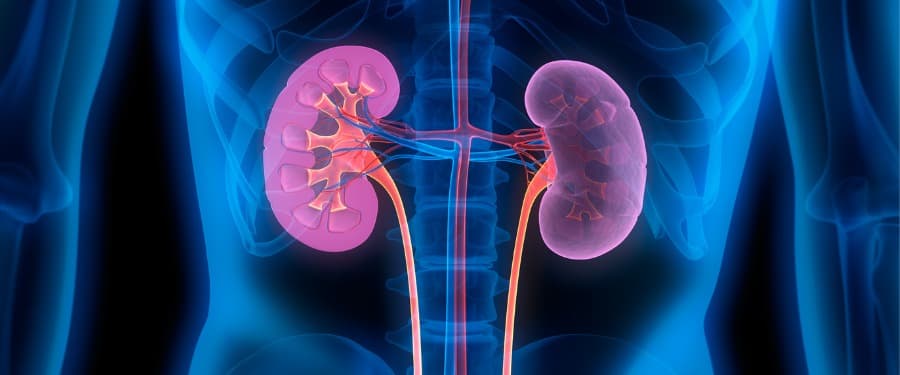
On March 29, 2026, Novartis published the final 2-year results from the APPLAUSE-IgAN trial in the New England Journal of Medicine. According to the NEJM publication, Fabhalta (iptacopan) slowed kidney function decline by 49.3% compared to placebo in patients with IgA nephropathy. The results were presented simultaneously at the 2026 World Congress of Nephrology in Buenos Aires.
What makes this moment remarkable is context. As recently as 2022, there were zero FDA-approved therapies specifically targeting IgAN. Patients were managed with blood pressure medications and general kidney-protective strategies. As of September 2026, according to FDA records, there are 6 approved treatments, at least 3 more in late-stage trials, and an entirely new drug class entering the picture from an unexpected direction.
What the [Fabhalta](/drugs/iptacopan) Data Actually Showed
Fabhalta is an oral complement factor B inhibitor that blocks the alternative complement pathway. In IgAN, this pathway amplifies the kidney damage caused by abnormal IgA1 deposits. By shutting down that amplification, Fabhalta reduces both the inflammation and the structural damage driving kidney function loss.
The APPLAUSE-IgAN trial enrolled adults with biopsy-confirmed IgAN and persistent proteinuria (protein in the urine, a marker of kidney damage) despite being on optimized supportive care. Patients were randomized 1:1 to Fabhalta or placebo and followed for 24 months. The primary endpoint was the annualized rate of kidney function decline, measured by estimated glomerular filtration rate (eGFR).
In the APPLAUSE-IgAN trial, patients on Fabhalta lost kidney function at a rate of 3.10 mL/min/1.73m2 per year. The placebo group declined at 6.12 mL/min/1.73m2 per year. That 49.3% difference is substantial and consistent with the results seen in earlier interim analyses. But the more striking finding was the composite kidney failure endpoint: patients on Fabhalta had a 43% lower likelihood of experiencing a kidney failure event (21.4% vs. 33.5%), with a hazard ratio of 0.57.
“Persistent kidney inflammation is a hallmark of IgAN, and a key driver of disease progression, leading to ongoing kidney damage and loss of function over time.”
Vlado Perkovic, MD, University of New South Wales, APPLAUSE-IgAN Steering Committee Co-Chair
On proteinuria, according to the APPLAUSE-IgAN trial data, 40.7% of Fabhalta patients achieved a 24-hour urine protein-to-creatinine ratio below 1 g/g, compared to 23.7% on placebo. Fabhalta side effects were mostly mild to moderate infections, headache, diarrhea, and elevated cholesterol, with overall rates comparable to placebo. No new safety signals emerged over the full 24 months.
Fabhalta already has accelerated FDA approval (granted August 2024) for reducing proteinuria in IgAN. Novartis submitted the 2-year APPLAUSE data for traditional (full) approval under priority review, and the FDA granted it on July 17th, 2026. Novartis describes Fabhalta as the first and only complement inhibitor shown to significantly slow kidney function decline in IgAN.
How IgAN Went From Zero to 6 Approved Treatments
The speed of the IgAN treatment expansion has been unlike anything in rare kidney disease. Here is the full timeline:
According to FDA records, in December 2021, TARPEYO (budesonide delayed-release) became the first FDA-approved therapy for IgAN, receiving accelerated approval based on proteinuria reduction. It was followed by Filspari (sparsentan), a dual endothelin and angiotensin receptor antagonist, which received accelerated approval in February 2023 and full approval in September 2024 after confirmatory data from the PROTECT trial showed it significantly slowed kidney function decline over 2 years.
Then things moved fast. The FDA granted Fabhalta (iptacopan) accelerated approval in August 2024 as the first complement inhibitor for IgAN. Vanrafia (atrasentan) followed in April 2025 as a selective endothelin A receptor antagonist. And the FDA approved Voyxact (sibeprenlimab), an APRIL inhibitor, in November 2025 after the VISIONARY trial showed a 51% reduction in proteinuria compared with placebo at 9 months. After this article was first published, the FDA approved a sixth, Trutakna (atacicept), which blocks both BAFF and APRIL, on July 7th, 2026.
Each of these drugs works through a different mechanism. TARPEYO reduces gut-associated immune activity. Filspari targets endothelin and angiotensin pathways. Fabhalta blocks complement factor B. Vanrafia selectively blocks endothelin A receptors. And Voyxact inhibits APRIL, a protein that drives the production of the abnormal IgA1 antibodies at the root of the disease. For patients and nephrologists, this means real choices based on individual disease characteristics, tolerability, and treatment goals.
Biohaven Enters IgAN With a Different Approach
While the approved therapies slow damage caused by abnormal IgA1 antibodies, none of them directly remove those antibodies from circulation. That is where Biohaven's BHV-1400 program gets interesting.
BHV-1400 is a TRAP (Targeted Removal of Aberrant Protein) degrader. It is a bispecific molecule that binds specifically to galactose-deficient IgA1 (Gd-IgA1), the abnormal form of IgA1 that causes IgAN, and directs it to the liver for degradation. The key distinction: it selectively removes the disease-causing protein while leaving normal IgA, IgG, and IgM antibodies intact. In theory, this goes after the root cause rather than managing downstream consequences.
The early data has been remarkable. According to Biohaven's Phase 1b data, BHV-1400 reduced Gd-IgA1 levels by more than 81% with a single subcutaneous dose, with reductions beginning within hours. Two patient cases that Biohaven presented at the 44th J.P. Morgan Healthcare Conference in January 2026 showed clinical improvements: a young woman with early-stage disease experienced complete resolution of chronic blood in her urine (hematuria) within weeks, and a man with moderate-to-severe kidney function loss saw a 60%+ reduction in proteinuria and a 24% improvement in eGFR within weeks of dosing.
According to Biohaven's statements, the company completed a Q4 2025 meeting with the FDA to align on pivotal study design and plans to initiate that study in 2026 using proteinuria reduction (UPCR) as a surrogate endpoint for accelerated approval. No drug-related adverse events have been reported in the Phase 1b expansion cohort as of January 2026.
This is also a pivotal program for Biohaven as a company. After the FDA's Complete Response Letter for troriluzole in spinocerebellar ataxia in November 2025, Biohaven cut R&D spending by 60% and reprioritized around its degrader platform. BHV-1400 in IgAN and BHV-1300 in Graves' disease are now the company's top programs. The IgAN pivot is significant because the disease has a clear regulatory path, strong surrogate endpoints, and (as this article makes clear) proven commercial viability.
What This Means for IgAN Patients
The practical reality for someone diagnosed with IgAN today is completely different from what it was 4 years ago. If you are wondering how many IgA nephropathy treatments are available now, the answer, as of September 2026, is 6 approved therapies targeting different parts of the disease pathway, a growing pipeline of investigational options, and an emerging drug class that could eventually address the root cause.
But having options also creates complexity. Choosing a new IgAN treatment or medication depends on your level of proteinuria, your eGFR trajectory, your genetic profile, and which part of the IgAN pathway is most active in your case. Some patients may benefit from combination approaches that target multiple mechanisms at once. These are conversations to have with a nephrologist who understands the latest data.
For patients considering IgAN clinical trials, the medication conflict landscape is also shifting. Several of these trials exclude patients currently on other IgAN-targeted therapies, require specific washout periods, or have proteinuria thresholds that may be harder to meet if you are already on treatment. A common question is: will my medication affect clinical trial eligibility? Trial Friend's medication conflict checker can help you see how each drug interacts with specific trial criteria.
3 years ago, the standard advice for IgAN patients was to optimize blood pressure control, monitor proteinuria, and hope for the best. That advice is not wrong today, but it is no longer the whole story. The treatment options are real, the pipeline is deep, and the science is moving fast. For a disease that once had nothing, that is a meaningful shift.