Living With Generalized Myasthenia Gravis
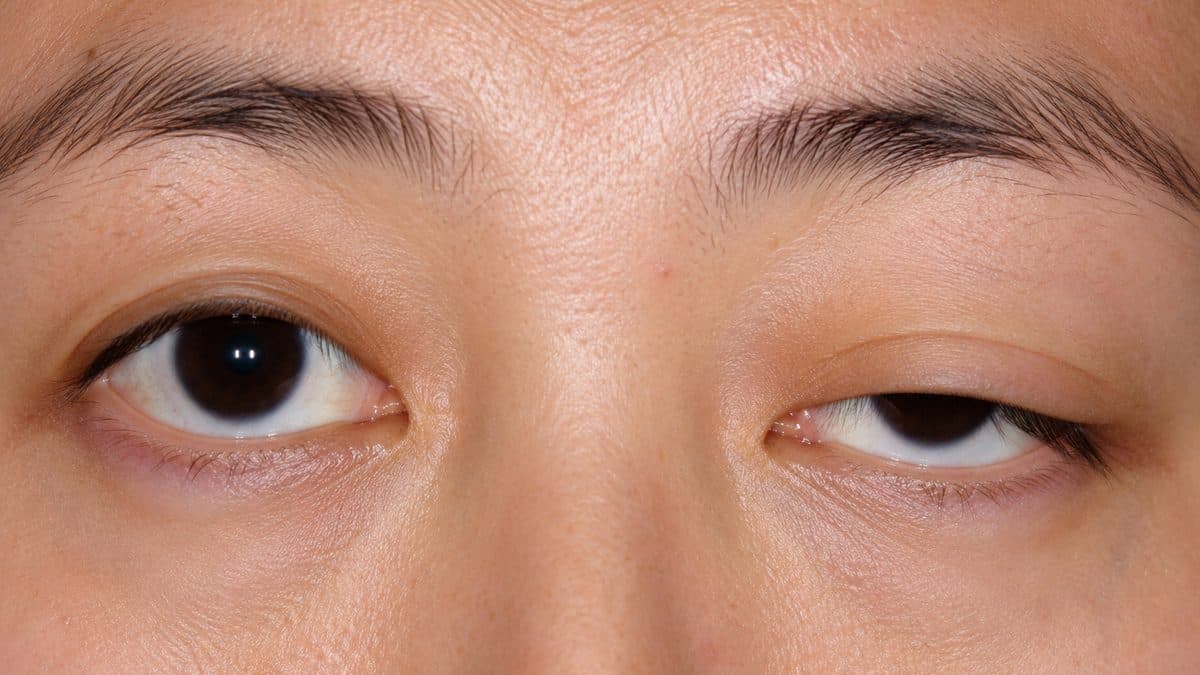
Living with myasthenia gravis is exhausting in a very specific way. The disease fluctuates. Muscles work, then fatigue, then recover after rest, then fail again. People describe a left eyelid that droops by late afternoon, double vision when they are tired, voice fading mid-sentence on a phone call, food getting stuck because the swallowing muscles give out halfway through dinner, arms going dead overhead while doing hair, and legs that work fine for the first block of a walk and then refuse to climb the next set of stairs. The pattern is also the diagnostic clue. The Myasthenia Gravis Foundation of America estimates that 75,000 to 100,000 people in the United States have the disease, which puts it well under the 200,000-patient threshold the FDA uses to define a rare disease.
Understanding why this happens helps explain why Rystiggo works. The neuromuscular junction is the tiny gap where a nerve signals a muscle to move. In about 85% of generalized myasthenia gravis patients, the immune system mistakenly produces antibodies against the acetylcholine receptor (AChR), which is the docking station that catches the nerve's signal at the muscle. The antibodies block the receptor and the signal does not get through. In another 5% to 10% of patients, the antibodies attack a different protein at the same junction called muscle-specific tyrosine kinase (MuSK), which produces similar weakness with a few clinical differences. A small share of patients are anti-LRP4 positive, and another group is seronegative, meaning standard tests do not detect a known antibody despite clear clinical myasthenia. The antibody type drives which therapies are likely to work, which is why your neurologist will check your antibody status before recommending a treatment, and why Rystiggo is approved specifically for the AChR-positive and MuSK-positive subtypes.
Most patients reach Rystiggo after years of trying other things. Pyridostigmine (Mestinon) is a pill that boosts acetylcholine at the neuromuscular junction temporarily, like turning the volume up on a fading signal. It was first approved by the FDA on April 6, 1955 and is still the first thing most patients try. Steroids like prednisone calm the immune system broadly. Steroid-sparing immunosuppressants (mycophenolate, azathioprine) take months to work but allow lower steroid doses. Rituximab depletes the B cells that produce antibodies. IVIG is donated immunoglobulin given as an infusion to dampen the immune response. Each of these helps some patients and not others, and each carries its own side-effect burden. The arrival of FcRn inhibitors in 2021 created a different kind of option, one that targets the antibody mechanism directly instead of suppressing the immune system as a whole.
What Is Rystiggo and Who Is It For?
Rystiggo is a prescription medication for generalized myasthenia gravis. The generic (chemical) name is rozanolixizumab-noli. It is made by the pharmaceutical company UCB. The FDA approved Rystiggo on June 27, 2023 for adults whose myasthenia gravis tests positive for anti-AChR or anti-MuSK antibodies, the two most common antibody types behind the disease. Rystiggo is not a steroid, not an old-style immunosuppressant, and not a complement inhibitor like Soliris. It belongs to a newer class called FcRn inhibitors, which also includes Vyvgart (efgartigimod), approved in December 2021, and Imaavy (nipocalimab), approved in April 2025.
Rystiggo is given as a subcutaneous infusion (a small needle just under the skin in the lower belly, not into a vein) once a week for six weeks. The dose depends on body weight. Adults under 50 kg (about 110 lbs) receive 420 mg, adults from 50 to 99 kg (about 110 to 220 lbs) receive 560 mg, and adults 100 kg or more (about 220 lbs and up) receive 840 mg. Each infusion takes about 15 minutes. After the six-week cycle, you and your neurologist decide together whether and when to do another cycle, based on how your symptoms respond and how long the benefit lasts.
How Rystiggo Works: FcRn Inhibition in Antibody-Mediated MG
Antibodies are proteins your immune system makes to fight infections. The most common kind, called IgG, normally lasts about 21 days in your bloodstream. The reason IgG lasts that long is a recycling protein called the neonatal Fc receptor, or FcRn. Each time an IgG antibody gets pulled into a cell, FcRn rescues it and puts it back into circulation. Without FcRn, IgG would get broken down in hours instead of weeks. The recycling system works for healthy antibodies that fight infection, and unfortunately it also works for the harmful antibodies that cause autoimmune disease.
Rystiggo blocks FcRn. With the recycling protein out of action, IgG antibodies get broken down faster than your body can replace them. Total IgG levels in the blood drop sharply over the six-week treatment cycle, and that drop includes the harmful anti-AChR or anti-MuSK antibodies driving the myasthenia. In the MycarinG trial, mean maximum reductions from baseline were 74.7% on the 7 mg/kg dose and 78.4% on the 10 mg/kg dose (Bril et al., The Lancet Neurology, 2023). As the pathogenic antibodies clear out, more acetylcholine receptors at the neuromuscular junction become available, the nerve-to-muscle signal strengthens, and strength and daily function improve. The effect can usually be measured within a week or two of starting.
What makes FcRn inhibition meaningfully different from older treatments is speed and selectivity. Steroids work, but they take weeks to months to fully kick in and bring weight gain, bone loss, sleep problems, blood sugar issues, and other side effects when used for years. Mycophenolate and azathioprine can take three to six months to show benefit. Rituximab works by depleting B cells, but it can be weeks before the antibody levels drop. Rystiggo and the other FcRn inhibitors go straight at the antibody pool, which is why most patients feel a difference within the first treatment cycle. The trade-off is that the benefit fades after the last dose as IgG levels rebound, so most patients need re-treatment cycles to keep symptoms controlled. A course of rituximab, by contrast, can sometimes hold for many months.
The MG Treatment Journey: Where Rystiggo Fits
Generalized myasthenia gravis treatment has evolved in distinct waves. Pyridostigmine (Mestinon, 1955) was the first symptomatic therapy and is still the first thing most patients try. It boosts acetylcholine at the neuromuscular junction without addressing the underlying autoimmunity. Some patients do well on Mestinon alone for years; many need more.
Steroids entered the picture in the 1960s. Prednisone works to suppress the immune response, often dramatically, but the long-term toll on bone, glucose metabolism, mood, and weight makes it hard to use indefinitely. Steroid-sparing immunosuppressants (azathioprine, mycophenolate, methotrexate, cyclosporine, tacrolimus) followed in the 1980s and 1990s. They allow lower steroid doses but bring their own monitoring requirements and side effects.
Plasmapheresis and IVIG arrived as rescue therapies for myasthenic crisis. Plasmapheresis physically removes antibodies from the blood. IVIG floods the system with healthy IgG, partly through FcRn-mediated mechanisms. Both work fast, both require infusion or apheresis cycles, and both are typically reserved for short-term use rather than long-term maintenance.
Targeted biologics started arriving in October 2017 with Soliris (eculizumab), the first disease-modifying drug FDA-approved for myasthenia gravis. Ultomiris (ravulizumab) followed in April 2022 as a longer-acting version of the same complement-blocking mechanism. In the US, both are approved for anti-AChR antibody-positive gMG (Soliris for adults and children 6 and older, Ultomiris for adults), with no requirement that the disease be refractory. Rituximab depletes B cells and is used off-label for severe and refractory disease, particularly in MuSK-positive patients. The first FcRn inhibitor, Vyvgart (efgartigimod), was approved in December 2021 for anti-AChR-positive adults and was expanded in May 2026 to cover all four adult gMG serotypes (AChR+, MuSK+, LRP4+, and triple seronegative), making it the first and only therapy approved across all subtypes. Rystiggo followed in June 2023 as the second FcRn inhibitor, covering anti-AChR-positive and anti-MuSK-positive adults. Imaavy (nipocalimab) was approved in April 2025 as the third, covering AChR+ and MuSK+ patients ages 12 and older.
For most patients, the question is not whether to use Rystiggo, but where it sits in their personal sequence. Some neuromuscular specialists try FcRn inhibitors earlier in the disease, before patients accumulate years of steroid exposure. Others reserve them for refractory disease where conventional immunosuppression has failed. The right answer depends on antibody status, comorbidities, prior treatment response, insurance coverage, and how the patient tolerates a six-week subcutaneous infusion cycle. None of those decisions belongs in a blog post. The point of this section is to show where Rystiggo fits in the historical sequence, not to prescribe.
MycarinG: The Phase 3 Trial That Got Rystiggo Approved
The trial that earned Rystiggo its FDA approval is called MycarinG (study identifier NCT03971422). It was a randomized, double-blind, placebo-controlled Phase 3 study run at 81 outpatient centers across Asia, Europe, and North America. Two hundred adults with anti-AChR-positive or anti-MuSK-positive generalized myasthenia gravis were randomly assigned to receive Rystiggo at one of two doses (7 mg per kilogram or 10 mg per kilogram, given as subcutaneous infusions weekly for six weeks) or a matching placebo. The full results were published in The Lancet Neurology in May 2023 by Bril and colleagues.
The trial measured improvement using a tool called the MG-ADL (Myasthenia Gravis-Activities of Daily Living) score. MG-ADL is a 0-to-24 scale where patients rate how much their disease is interfering with eight everyday activities, including talking, chewing, swallowing, breathing, brushing teeth, getting up from a chair, double vision, and eyelid drooping. Each activity is scored from 0 (no problem) to 3 (severe). Lower scores are better. A 2-point drop in the score is the smallest improvement that researchers and patients consider clinically meaningful.
Both Rystiggo doses beat placebo by a wide margin (Bril et al., The Lancet Neurology, 2023). After six weeks, patients on the 7 mg/kg dose dropped an average of 3.37 points on MG-ADL, patients on the 10 mg/kg dose dropped 3.40 points, and patients on placebo dropped only 0.78 points. The treatment difference (Rystiggo minus placebo) was -2.59 points for the 7 mg/kg dose (95% CI -4.09 to -1.25) and -2.62 points for the 10 mg/kg dose (95% CI -3.99 to -1.16), well above the 2-point threshold for a clinically meaningful change. In real-world terms, that means a typical Rystiggo patient saw measurable improvement in three or four of the eight everyday activities the scale tracks, including less eyelid drooping, easier swallowing, fewer episodes of voice fading, and less fatigue while brushing teeth or rising from a chair. Physician-administered strength tests (the QMG and MGC scales) showed parallel improvements.
“Rystiggo 7 mg/kg produced a -3.37 MG-ADL change, 10 mg/kg produced -3.40, and placebo produced -0.78. Both doses cleared the 2-point minimum clinically important difference threshold, and the FDA approved both based on this trial.”
MycarinG Phase 3 results, Bril et al., The Lancet Neurology, 2023
The benefit held up in both AChR-positive and MuSK-positive patients, which is why the Rystiggo FDA label covers both antibody subtypes. At the time of approval in 2023, this was a meaningful advantage over Vyvgart, which was then approved only for AChR-positive adults. Vyvgart's label was later expanded in May 2026 to cover all four gMG serotypes, narrowing the serotype-coverage gap between the two drugs. Patients in MycarinG who had already failed multiple prior treatments responded just as well as patients earlier in their treatment journey, suggesting Rystiggo works whether it is your first targeted therapy or your fifth.
How Fast Does Rystiggo Work? Onset, Dosing, and Treatment Cycles
Most patients in MycarinG saw measurable MG-ADL improvement starting around Day 8, after the first or second weekly infusion. Peak benefit landed around Day 29 to 43, near the end of the six-week cycle. The clinical pattern matches the IgG depletion curve. Total IgG fell quickly through the cycle, the pathogenic anti-AChR and anti-MuSK antibodies fell along with it, and clinical improvement followed a few weeks behind the antibody drop.
After the six-week cycle, IgG levels rebound and clinical benefit can fade over weeks. Re-treatment cycles are part of the treatment plan, not the exception. The label allows additional cycles based on clinical response, with the timing individualized. Some patients need a new cycle every two months. Others go longer between cycles. The MycarinG open-label extension data have helped neuromuscular specialists develop individualized cadence approaches, which is why most centers do not put every patient on the same fixed schedule after the initial cycle.
The subcutaneous administration matters for daily life. Each infusion takes about 15 minutes through a small needle in the abdomen or thigh, similar in feel to a long insulin injection rather than an IV drip. The infusion can be done in clinic, at an infusion suite, or in some practices at home with a home health nurse. This is meaningfully easier on the calendar than the original Vyvgart formulation, which was an IV infusion taking about an hour each session, although the newer Vyvgart Hytrulo has narrowed that gap.
Rystiggo Side Effects and Safety Profile
The most common side effects in MycarinG, seen in 1 out of 10 patients or more, were headache, infections, diarrhea, fever, allergic-type reactions, and nausea (Rystiggo prescribing information, FDA 2023). Headache was the most frequent of all, and it tended to cluster around the first infusion of each treatment cycle. The headaches were usually mild to moderate and were managed with acetaminophen, drinking more fluids, and (in some patients) pre-treatment with an antihistamine or pain reliever before later infusions.
Infection risk gets the most attention from neurologists. Lowering your IgG antibodies removes some of the protection your immune system uses to fight bacterial and viral infections. The infections seen most often in the trial were upper respiratory tract infections (colds, sinus infections), COVID-19, urinary tract infections, and herpes simplex reactivation (cold sores). Most were mild to moderate. Active infections should be treated and resolved before starting a Rystiggo cycle, and if you have a history of frequent serious infections, that is worth a careful conversation with your specialist before deciding. Vaccination status matters too. Live vaccines are typically avoided during treatment, and other vaccines may be less effective when your IgG levels are at their lowest, so most centers handle vaccinations either before starting Rystiggo or in the gap between cycles.
Two safety issues in the FDA label deserve specific attention. The first is drug-induced aseptic meningitis, an inflammation of the lining of the brain and spinal cord that is caused by a medication rather than an infection. It has been reported in some patients on Rystiggo. The warning signs are a severe headache combined with fever, a stiff neck that hurts when you bend it, sensitivity to bright light, or feeling unusually confused or drowsy. Aseptic meningitis is uncommon but serious and needs immediate medical attention. The second is allergic-type reactions, including rash and swelling around the face or throat (angioedema), which have happened during or shortly after an infusion. Patients with a history of severe drug allergies should be monitored more carefully during the first cycle.
Patients commonly search for whether Rystiggo can damage the kidneys or liver, or worsen diabetes. The MycarinG safety data did not show a specific signal for kidney or liver toxicity beyond what would be expected in a group of patients already on other immunosuppressants. Rystiggo does not have a direct effect on blood sugar. Many patients with myasthenia have been on prednisone for years and developed steroid-related diabetes, and starting Rystiggo sometimes allows the prednisone dose to be tapered, which can actually improve blood sugar control over time. If you have existing diabetes, kidney disease, or liver disease, the right plan depends on your full medication list, and is best worked out with your neurologist and your other specialists together.
Drugs Like Rystiggo: How FcRn Inhibitors and Other gMG Treatments Compare
As of mid-2026, three FcRn inhibitors are FDA-approved for generalized myasthenia gravis. Each has distinct features, and the choice between them depends on antibody status, age, formulation preference, and insurance coverage.
Vyvgart (efgartigimod alfa-fcab), made by argenx, was the first FcRn inhibitor approved, in December 2021. It was originally approved only for anti-AChR-positive adults based on the ADAPT Phase 3 trial, where 68% of efgartigimod patients met the MG-ADL responder criteria compared to 30% on placebo (Howard et al., The Lancet Neurology, 2021). On May 8, 2026, the FDA expanded both Vyvgart and Vyvgart Hytrulo labels to cover all adult gMG serotypes (AChR+, MuSK+, LRP4+, and triple seronegative), based on the ADAPT SERON Phase 3 trial that showed a 3.35-point MG-ADL improvement at week 4 (argenx press release, May 2026). Vyvgart is now the first and only therapy approved across all four gMG serotypes. The original Vyvgart is given as a one-hour IV infusion, weekly for four weeks, in cycles. Vyvgart Hytrulo is a subcutaneous version of efgartigimod combined with hyaluronidase, approved in 2023, that takes a few minutes rather than an hour. Vyvgart Hytrulo also carries an additional approval for chronic inflammatory demyelinating polyneuropathy (CIDP).
Rystiggo (rozanolixizumab-noli), made by UCB, was approved in June 2023 for both anti-AChR-positive and anti-MuSK-positive adults. The MuSK-positive coverage is the meaningful clinical advantage at the time of its approval. Dosing is subcutaneous, weight-based, weekly for six weeks per cycle.
Imaavy (nipocalimab-aahu), made by Johnson & Johnson, was approved in April 2025 for anti-AChR-positive and anti-MuSK-positive patients ages 12 and older. It is given as an IV infusion, with a 30 mg/kg loading dose followed by 15 mg/kg every two weeks for maintenance. The pediatric extension and the longer dosing interval (every two weeks rather than weekly) are the main differentiators from Rystiggo. The pivotal Vivacity-MG3 trial showed an MG-ADL improvement of 4.70 with nipocalimab versus 3.35 with placebo over 24 weeks (Antozzi et al., The Lancet Neurology, 2025). Whether that larger treatment effect reflects a true efficacy advantage or differences in trial population, statistical handling, or background therapy is a question neurologists are still working out.
Outside the FcRn class, Soliris (eculizumab) and Ultomiris (ravulizumab) target complement and are approved in the US for anti-AChR antibody-positive gMG. They work through a different mechanism that fits some patients better than FcRn blockade, particularly those with prominent crisis history or who have not tolerated steroid-sparing immunosuppressants. Rituximab remains an off-label option, especially for MuSK-positive disease, where some studies have shown high response rates. Comparing across classes is difficult because the trials enrolled different populations and used different endpoints, so the choice often comes down to clinical judgment, prior treatment history, and the specific antibody profile.
The Pipeline: What's Next for Myasthenia Gravis Treatment
Several drugs in late-stage development could expand the options for myasthenia gravis patients over the next few years. Some are next-generation FcRn inhibitors like Rystiggo, designed to fix specific weaknesses of the current options. Others go after the disease through different routes entirely.
Batoclimab is another subcutaneous FcRn inhibitor, made by Immunovant. Its Phase 3 results in 2024 showed improvement starting as early as two weeks, with a safety profile similar to Rystiggo and Vyvgart. Immunovant has since shifted its main focus to IMVT-1402, but batoclimab remains in development for myasthenia gravis and other autoimmune conditions.
IMVT-1402 is Immunovant's next-generation FcRn inhibitor. It is designed to lower IgG without dropping albumin (a blood protein) or raising LDL cholesterol, two side effects that older FcRn drugs can cause and that matter especially for patients with metabolic conditions. IMVT-1402 is currently in a 26-week Phase 3 study (NCT07039916) for adults with mild-to-severe generalized myasthenia gravis. Immunovant has positioned it as the lead candidate based on the cleaner side-effect profile seen in earlier studies.
Telitacicept, made by RemeGen, takes a different approach. Instead of blocking IgG recycling, it shuts down two of the immune-system signals (BAFF and APRIL) that keep antibody-producing B cells alive and active. The idea is to slow the production of harmful antibodies upstream rather than removing them from circulation downstream. Phase 3 results in China showed an average MG-ADL drop of 5.74 points compared to 0.91 with placebo at week 24, and 98% of treated patients met the responder threshold. A global Phase 3 trial (NCT06456580) is underway.
Earlier-stage approaches include CAR-T cell therapies (from companies like Cabaletta and Kyverna) that aim to wipe out the antibody-producing B cells for years at a time, BTK inhibitors that block a different B-cell signaling pathway, and longer-acting complement inhibitors. The next decade of myasthenia gravis treatment will likely look very different from the past one. For patients on Rystiggo today, the practical message is that the field is moving fast, and a check-in with a neuromuscular specialist every 12 to 24 months to revisit your treatment plan is reasonable.
Cost, Coverage, and Patient Assistance for Rystiggo
Rystiggo's list price at launch was approximately $6,050 per vial, with the number of vials per cycle varying by patient weight (UCB pricing disclosure, 2023). For most patients, that translates to a six-figure annual gross cost depending on weight and how many cycles are given each year. Almost no patient pays the list price out of pocket. Commercial insurance, Medicare, and Medicaid all cover Rystiggo for approved indications, although prior authorization and step therapy are common. Insurance plans typically require documentation of antibody status, a confirmed gMG diagnosis from a neuromuscular specialist, and (in many plans) prior trial of conventional immunosuppression before approving FcRn inhibitor therapy. Our broader guide to clinical trial and treatment costs covers how routine medical costs are handled while you are in treatment, what insurance is required to cover, and how patient assistance programs fit in.
UCB runs the ONWARD patient support program (1-844-669-2731), which offers a dedicated Care Coordinator, a review of coverage and financial options (even if you are uninsured), copay support that may lower costs to $0 per dose for commercially insured patients, and a Patient Assistance Program that may provide Rystiggo at no cost for up to 12 months for eligible patients. The Patient Advocate Foundation, the HealthWell Foundation, and the Myasthenia Gravis Foundation of America also have copay or grant programs for myasthenia gravis patients, though fund availability varies year to year.
A practical step for patients considering Rystiggo is asking the prescribing neurologist's office to run a benefits investigation before the first cycle, ideally before the order is placed with the specialty pharmacy. Knowing the out-of-pocket cost in advance avoids the situation where treatment is approved, infusion is scheduled, and the patient discovers a four- or five-figure copay at the pharmacy counter. A specialty pharmacy that focuses on neuromuscular drugs (Accredo, CVS Specialty, BriovaRx, others) can typically run this in 24 to 48 hours. If you are denied coverage on first try, the appeal process is faster than most patients expect; our guide to appealing an insurance denial for rare disease medication walks through the steps.
One email when Myasthenia Gravis trials change or an FDA decision lands. No newsletter, no spam.
Frequently Asked Questions About Rystiggo
What is Rystiggo used to treat?
Rystiggo (rozanolixizumab-noli) is FDA-approved to treat generalized myasthenia gravis (gMG) in adults who test positive for anti-acetylcholine receptor (AChR) antibodies or anti-muscle-specific tyrosine kinase (MuSK) antibodies. It is not approved for ocular-only myasthenia, seronegative gMG, anti-LRP4-positive gMG, or pediatric patients.
How does Rystiggo work?
Rystiggo blocks the neonatal Fc receptor (FcRn), which normally recycles IgG antibodies and keeps them in circulation for weeks. By blocking FcRn, Rystiggo accelerates the breakdown of IgG, including the pathogenic anti-AChR or anti-MuSK antibodies that cause myasthenia gravis. Lower pathogenic antibody levels mean better neuromuscular junction function and improved muscle strength within a few weeks.
How fast does Rystiggo work?
Most patients in the MycarinG Phase 3 trial saw measurable improvement in their MG-ADL score starting around Day 8 of treatment, after the first or second weekly infusion. Peak benefit was reached around Day 29 to 43. The clinical timeline tracks the drop in IgG levels caused by FcRn blockade.
Is Rystiggo a steroid?
No, Rystiggo is not a steroid. It is a humanized IgG4 monoclonal antibody that blocks the neonatal Fc receptor. The drug class is called FcRn inhibitors or neonatal Fc receptor blockers. Rystiggo does not have the metabolic, bone, or mood side effects associated with prednisone and other corticosteroids.
What are the most common side effects of Rystiggo?
The most common side effects in MycarinG, reported in 10% or more of patients, were headache, infections, diarrhea, fever, hypersensitivity reactions, and nausea. The most common infections were upper respiratory tract infections, COVID-19, urinary tract infections, and herpes simplex (cold sore) reactivation. Two more serious concerns appear in the FDA label: drug-induced aseptic meningitis and hypersensitivity reactions, including angioedema.
What are the alternatives to Rystiggo?
FDA-approved alternatives in the same FcRn inhibitor class are Vyvgart and Vyvgart Hytrulo (efgartigimod, expanded in May 2026 to cover all four adult gMG serotypes including AChR+, MuSK+, LRP4+, and triple seronegative) and Imaavy (nipocalimab, AChR+ or MuSK+ ages 12 and older). Outside the FcRn class, complement inhibitors Soliris (eculizumab) and Ultomiris (ravulizumab) are approved for anti-AChR-positive gMG. Older treatments include pyridostigmine (Mestinon), prednisone, mycophenolate mofetil, azathioprine, IVIG, plasmapheresis, and rituximab (used off-label, especially for MuSK-positive disease).
How is Rystiggo different from Vyvgart?
Both are FcRn inhibitors approved for generalized myasthenia gravis. After the May 2026 Vyvgart label expansion, Vyvgart covers all four adult gMG serotypes (AChR+, MuSK+, LRP4+, and triple seronegative), while Rystiggo covers AChR+ and MuSK+ adults. Vyvgart is available as IV (one-hour infusion, weekly for four weeks per cycle) and Vyvgart Hytrulo subcutaneous (a few minutes per dose). Rystiggo is subcutaneous only, weekly for six weeks per cycle, with weight-based dosing. The choice between them depends on antibody status, formulation preference, dosing schedule, insurance coverage, and the prescriber's clinical judgment.
How is Rystiggo administered?
Rystiggo is given by a healthcare provider as a subcutaneous infusion through a small needle in the lower belly. Each infusion takes about 15 minutes. Dosing is weekly for six weeks, with weight-based dose calculation: 420 mg for adults under 50 kg, 560 mg for 50 to 99 kg, and 840 mg for 100 kg and above. Re-treatment cycles are scheduled based on individual clinical response, with timing individualized by the treating specialist.
Can Rystiggo cause kidney damage?
The MycarinG safety database does not show a specific signal for kidney damage attributable to Rystiggo. The drug does not have a known direct effect on renal function. Patients with kidney disease should still discuss their full medication regimen with the prescribing specialist, since infection risk and other complications may need additional monitoring.
Is Rystiggo covered by insurance?
Most commercial insurance plans, Medicare, and Medicaid cover Rystiggo for approved indications, although prior authorization is typically required. Insurance often requires documentation of antibody status, a confirmed gMG diagnosis from a neuromuscular specialist, and (in some plans) a prior trial of conventional immunosuppression. UCB's ONWARD program provides coverage review and copay support for eligible patients.
What is the generic name for Rystiggo?
The generic name for Rystiggo is rozanolixizumab-noli. It is sometimes written as rozanolixizumab without the suffix. The suffix is the FDA-assigned distinguishing identifier for biologics. The drug is a humanized IgG4 monoclonal antibody manufactured by UCB.
Find Active Myasthenia Gravis Trials
Whether Rystiggo turns out to be right for you depends on a conversation with a neuromuscular specialist who knows your antibody status, your treatment history, and the practical realities of your life. The point of this guide is not to push a decision in any direction. It is to give you the information to walk into that conversation prepared, with the same vocabulary your neurologist uses and a clear picture of how Rystiggo compares to the other options on the table.
If you are also interested in the drugs still in development, several pipeline candidates (IMVT-1402, telitacicept, batoclimab, CAR-T therapies) are recruiting for active trials. Eligibility usually depends on antibody status, your prior treatments, and how close you live to a research center, so the answer is highly individual.
Trial Friend lists active myasthenia gravis trials in plain language, with which antibody subtypes each trial enrolls, where the sites are, and what the eligibility criteria look like in patient-friendly form. Browse active myasthenia gravis trials on Trial Friend, search by your specific antibody subtype, and see what is open near you. You are not stuck with the treatment options of five years ago, and the team you build (your neurologist, your specialty pharmacy, your patient advocacy group, and a guide like Trial Friend) can help you find what fits.