Rare disease FDA decisions coming up
- Sep 30Camzyos (mavacamten) for Obstructive hypertrophic cardiomyopathy, adolescentsRead the storyDecision page
Atacicept vs Povetacicept for IgA Nephropathy Before the FDA Decision on November 30th
Atacicept and povetacicept block the same 2 immune signals in IgA nephropathy. Atacicept is approved as Trutakna and now has 2-year kidney data. Povetacicept faces an FDA decision on November 30th and would be injected 13 times a year instead of 52. A side-by-side table, the trial results, what an independent review found, what patients told the FDA, and 7 real-world situations.
All articles
A Third of Rare Disease Trials Can Shut You Out Over a Medication You Already Take

Alpha-1 Antitrypsin Deficiency Treatment Has Meant a Weekly Infusion Since 1987, and a One-Time Gene Edit Is Now Testing That

Your Insurer Denied a Rare Disease Drug and Fewer Than 1 in 100 People Appeal, So Here Is the Playbook
Insurers denied 1 in 5 in-network claims in 2023 and fewer than 1% were appealed, yet insurers reversed themselves on 44% of the appeals they did get. This guide walks through every deadline for employer plans, marketplace plans, Medicare and Medicaid, the 6 denial scenarios rare disease patients hit most, what to put in the appeal letter, and who will do it with you for free.

ATTR Amyloidosis Treatment in 2026, 5 Approved Drugs Compared on Survival, Dosing and Side Effects

Before You Pick a 2027 Medicare Plan, 8 Things to Check If You Take a Rare Disease Drug

INO-3107 Could Become the Second Treatment for Recurrent Respiratory Papillomatosis on October 30th
For decades, the only answer to recurrent respiratory papillomatosis was another surgery. The FDA approved the first drug in August 2025, and on October 30th it is due to decide on a second, INOVIO's INO-3107. What the trials showed, the accelerated approval question hanging over the review, and the 8 RRP studies open now.

What Clinical Trials Are Available for Acromegaly? 17 Are Open, and 3 Have US Sites for Patients

Lirafugratinib Is Approved as Lyrfigtu, the First FGFR2-Only Drug for Bile Duct Cancer

Camzyos Could Become the First Drug Approved for Teenagers With Obstructive HCM on September 30th
The FDA is due to decide by September 30, 2026 whether Camzyos (mavacamten) can be prescribed to adolescents aged 12 to 17 with symptomatic obstructive hypertrophic cardiomyopathy. It would be the first drug approved for HCM in anyone under 18. What the 44-patient SCOUT-HCM trial showed, what the boxed warning means for a teenager, and what changes for families if the answer is yes.

Aqneursa Is the First Approved Treatment for Ataxia-Telangiectasia, Nearly 8 Months After the Disease's Biggest Trial Failed

Emcitate Is Approved for MCT8 Deficiency, and the Trials Show It Treats the Body but Not the Brain

Isembyld Is Approved for SMA as the First Muscle-Targeted Add-On to Spinraza and Evrysdi
The FDA approved Isembyld on September 11th, 19 days ahead of its deadline. It is the first SMA drug that treats muscle rather than motor neurons, and the label requires you to already be on Spinraza or Evrysdi. Here is what it does, who qualifies, and the fracture risk nobody is leading with.

UX111 Is Approved as Fayuvi, the First Treatment for Sanfilippo Syndrome, and the Label Says Exactly Who It Is For
6 Approved Drugs for IgA Nephropathy and What Their Labels Actually Promise
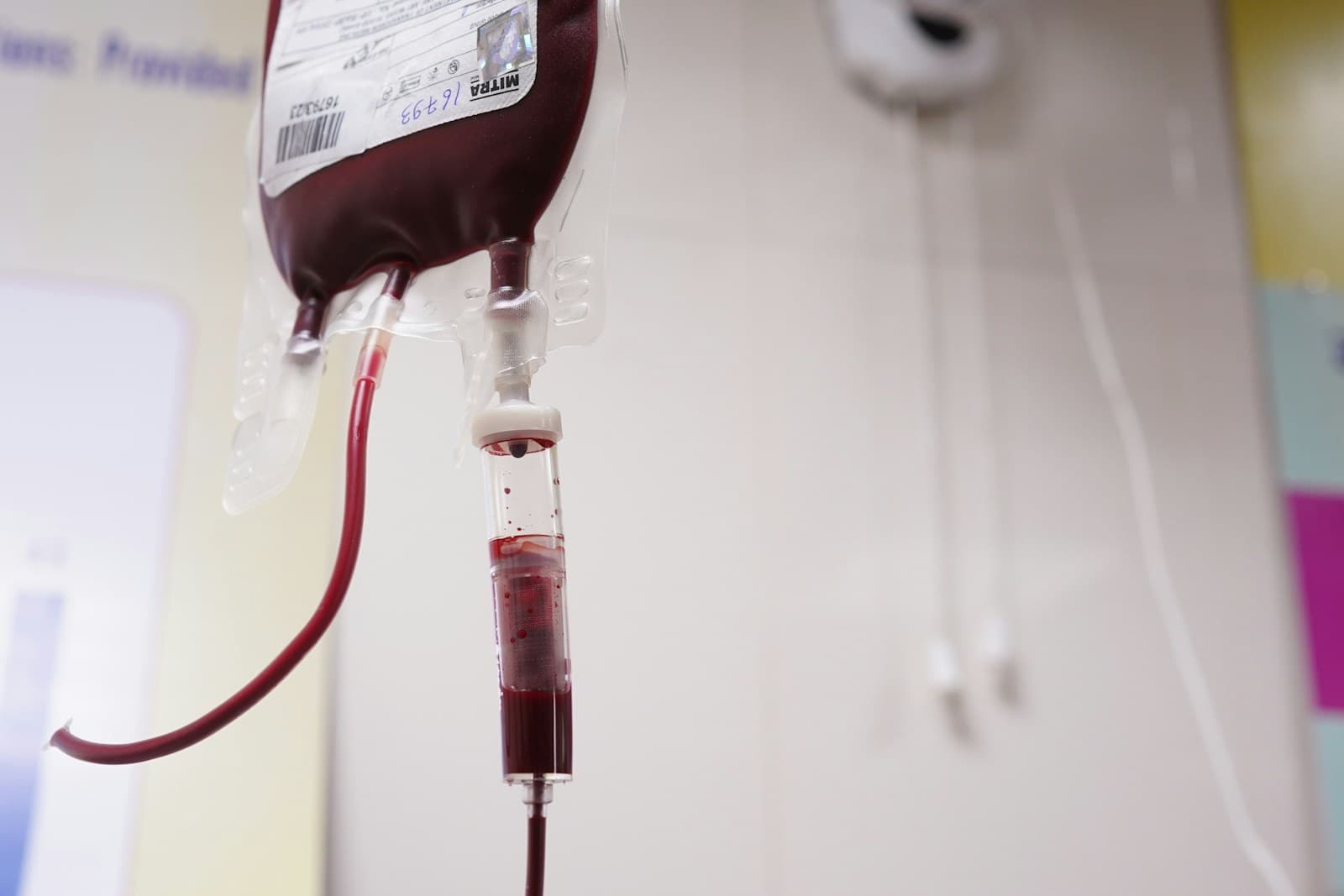
Alpha-Gal Syndrome and Blood Transfusions, What Type O Patients Should Tell Their Hospital
New national blood bank guidance describes transfusion-related alpha-gal syndrome, where people sensitized by tick bites react to platelets and plasma from type B donors. 9 published cases, all in type O patients, 1 fatal. Here is what to say before surgery.

1 Year of Palsonify and What Switching From Acromegaly Injections to a Pill Involves

We Built a Free Alpha-Gal Medication Checker
The FDA Approved a Drug for Your Rare Disease. When Do You Actually Get It?
Approval day feels like the finish line. It is the starting gun for a second race through specialty pharmacies, insurance reviews, and copay programs. Real timelines from 5 recent rare disease launches, and the moves that shorten the wait.

When a Clinical Trial Fails and It Was Your Family's Trial

The Median Rare Disease Trial Recruits at Exactly One US Site
What an FDA Clinical Hold Means When You're the One in the Trial
On September 4th the FDA paused new enrollment in Biohaven's opakalim epilepsy trials over a safety signal from rodent lab studies. Headlines said "hold." Patients heard "over." Here is what a clinical hold actually is, how often holds lift, what happened in famous cases, and the questions to ask if it happens to your trial.

Zilurgisertib Could Give FOP Patients a Third Treatment on September 26th
The State of Rare Disease Clinical Trials With 75% of 2026 Behind Us

4 Rare Diseases Could Get Their First Treatment This September
Between September 19th and September 30th, the FDA is due to rule on 8 rare disease therapies. Sanfilippo syndrome, Alexander disease, ataxia-telangiectasia, and MCT8 deficiency have never had an approved treatment. That could change within 3 weeks.
Opakalim, Azetukalner, and the Race to Bring Back Epilepsy's Lost Off Switch

A New AI Tool Called MARRVEL-MCP Is Changing the Slowest Part of Rare Disease Diagnosis

Rare Disease Diagnoses That Started With Something Else Entirely
Some of the most consequential rare disease diagnoses started with a routine carpal tunnel surgery, an unrelated CT scan, a yearly eye exam, or a young person's first stroke. This is a clinically documented guide to the incidental findings that have surfaced ATTR amyloidosis, Wilson disease, pheochromocytoma, Fabry disease, hereditary hemorrhagic telangiectasia, and other rare conditions years before symptoms made them obvious.

Lone Star Tick Bites and the Rare Diseases They Cause from Alpha-Gal Syndrome to Heartland Virus
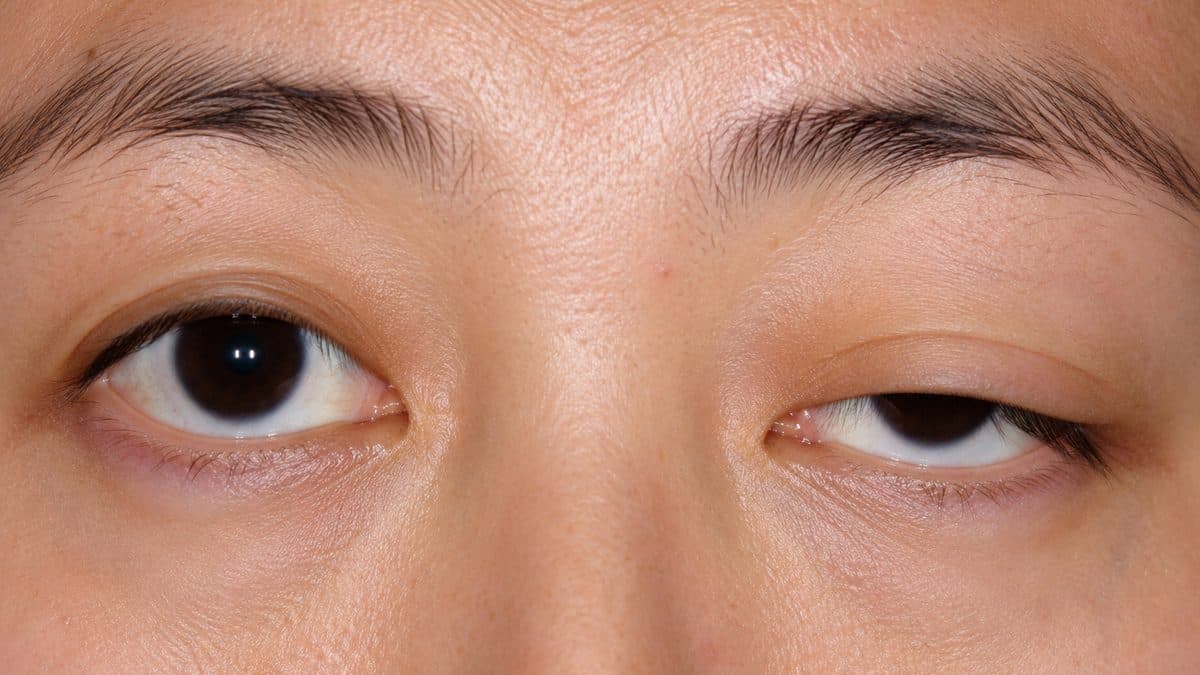
Rystiggo for Myasthenia Gravis and How It Compares to Vyvgart and Imaavy
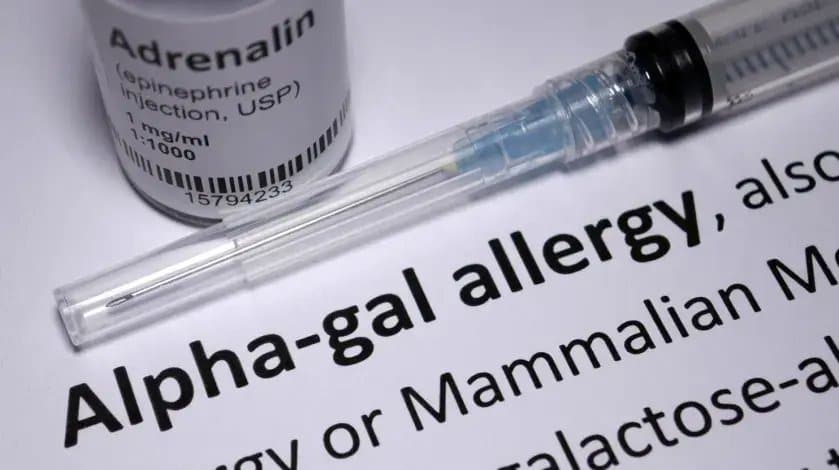
Alpha-Gal Syndrome: Medications, Vaccines, and Medical Products That Can Trigger a Reaction
Alpha-Gal Syndrome (AGS) is more than a red meat allergy. Heparin, certain monoclonal antibodies, gelatin in vaccines and capsules, surgical glues, and many over-the-counter medications can contain mammalian-derived alpha-gal and trigger a reaction. This is the comprehensive list of hidden alpha-gal exposures in healthcare, with the products to ask about, the safer alternatives, and what to tell every doctor before any procedure.
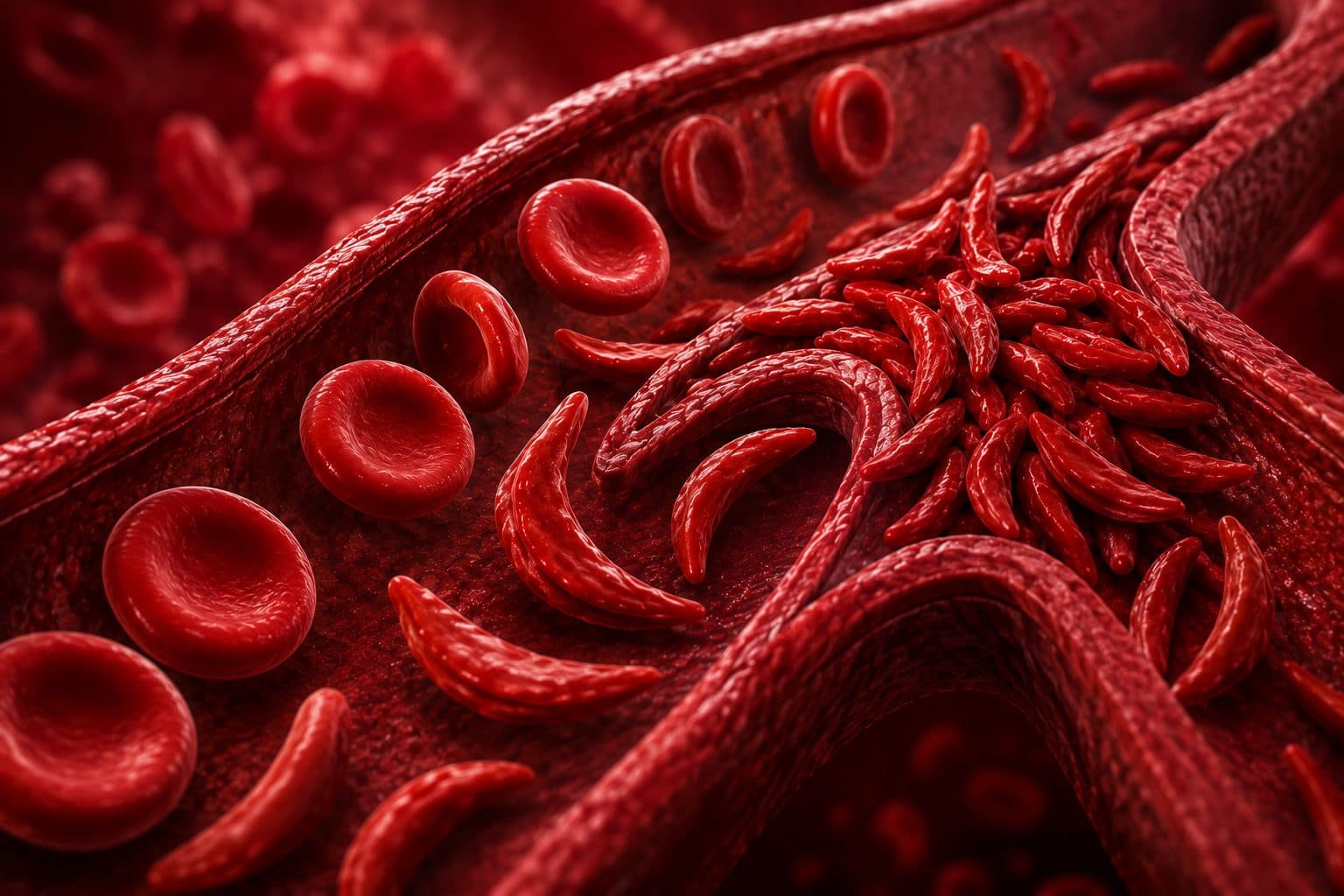
Casgevy vs. Lyfgenia: Comparing Sickle Cell Gene Therapies

School Accommodations for a Child with a Rare Disease: A Parent's Field Guide

hEDS, MCAS, POTS, MTHFR, and Tick-Borne Coinfections: When Rare Diagnoses Stack
Some rare disease patients walk into a specialist's office for one diagnosis and walk out, eventually, with 5. The hEDS / MCAS / POTS triad now has formal academic recognition. Layered with tick-borne coinfections and an MTHFR variant, it becomes one of the most complex and most missed presentations in medicine. What's solidly evidenced, what's still debated, and what patients can actually do.

Heparin-Induced Thrombocytopenia: A New Drug Path After 25 Years

Lonvo-Z and the First Phase 3 Win for In Vivo Gene Editing in HAE

Why Rare Disease Diagnoses Still Take 6 Years, and How Genome Sequencing Can Cut It to Weeks
A rare disease patient in the US waits 6 years on average for a diagnosis, accumulates 17 medical encounters, and gets 2 to 3 wrong answers along the way. A test that finds the genetic cause in 5 days now costs $100 to run. Most patients still don't get it. Here's what's blocking the path and how to push through.

The FDA's Plausible Mechanism Framework Could Unlock Gene Therapies for the Rarest Diseases

What Happens When You Take a Rare Disease to the ER

Ticks, Rare Disease, and the Coinfections Lyme Patients Have Been Told Don't Exist
The blacklegged tick carries at least 7 human pathogens. Three of them, babesiosis, bartonellosis, and anaplasmosis, are classified as rare diseases. Most doctors don't test for them. Here's what the science actually says.

How to Read a ClinicalTrials.gov Listing Without a Medical Degree

A Patient's Guide to Clinical Trial Participation
Most Clinical Trial Finders Are Recruitment Tools in Disguise. We Built Something Else.

Filspari Is the First FDA-Approved Treatment for FSGS. Here's What That Actually Means for Patients.

A Quiet Crisis in Rare Disease Research: Trial Enrollment Is Slowing Just as Treatments Start Working

Insurance Denied Your Medication. You Have More Power Than They Want You to Know.
When a rare disease drug gets denied by insurance, most patients give up. The data says they shouldn't. A practical guide to prior authorizations, appeals, external reviews, and the people who can help.
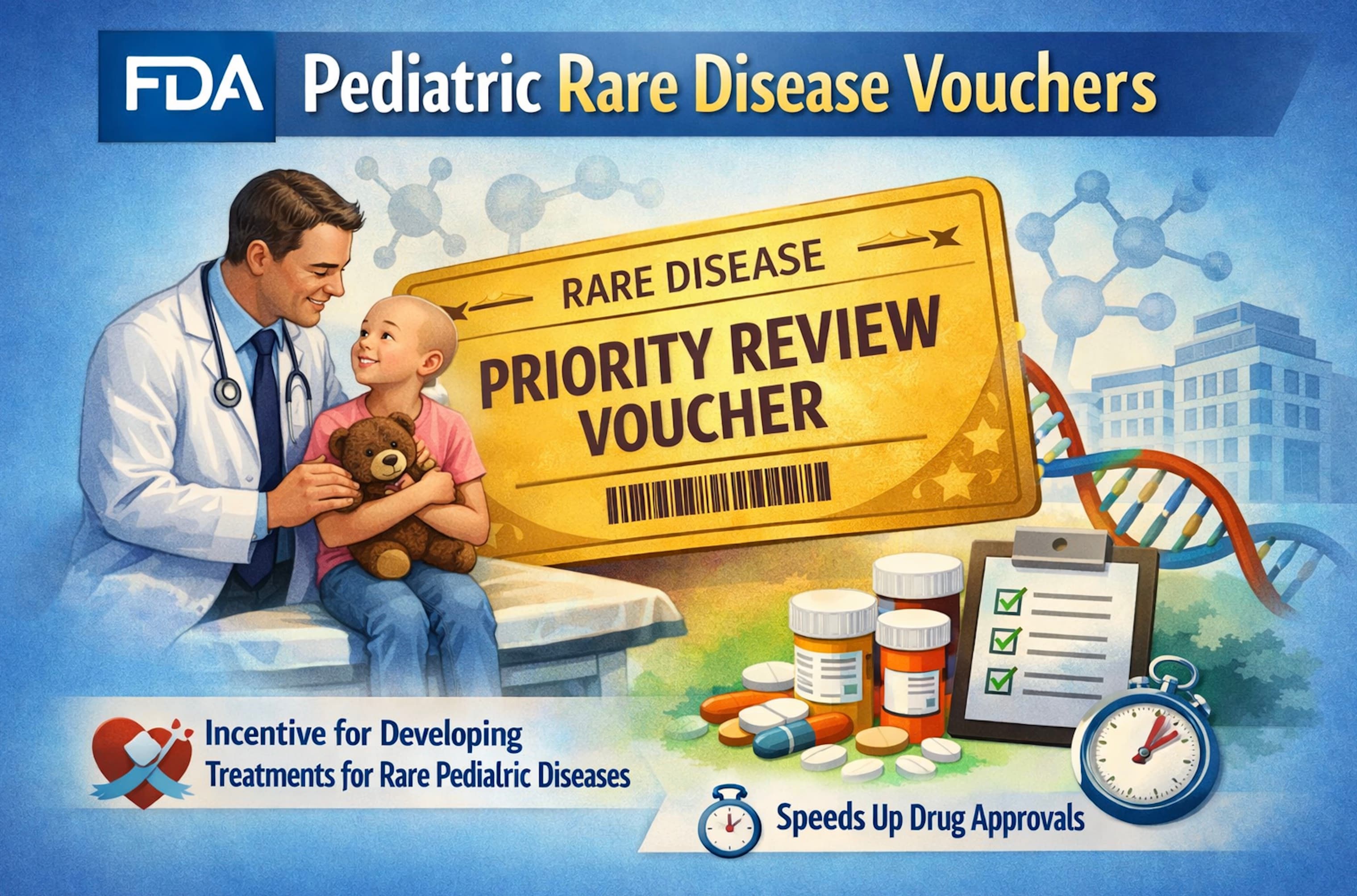
That Drug Your Child Takes? A Voucher Worth Millions Helped Make It Happen.

Avlayah Is the First New Hunter Syndrome Treatment in 20 Years. Here's What Families Should Do Next.

You Got Into a Clinical Trial. Now You Have to Get There.
The trial site is 4 hours away. Or a flight away. Your kid still has school. Your boss needs 2 weeks notice for time off. Nobody warned you about this part.
Dravet Syndrome Treatments in 2026: From Seizure Management to Gene Therapy

First Gene Therapy for BAG3 Heart Failure Enters Clinical Trials: What Patients Should Know

Tepezza Just Got a Major Upgrade: What the New At-Home Injection Means for Thyroid Eye Disease Patients
Amgen's Phase 3 trial showed that a subcutaneous version of Tepezza delivered via on-body injector matched the efficacy of the IV infusion, with a 77% proptosis response rate. For the roughly 25,000 patients managing TED in the U.S., this could replace 8 hospital infusions with 12 quick injections closer to home.

A New ALS Trial Is Recruiting and It Learned from What Came Before

84% of Investors Are Pulling Back from Rare Disease. Here Is Why That Should Alarm Every Patient.
From Zero Treatments to 5 in 3 Years: The IgA Nephropathy Breakthrough Nobody Saw Coming
Novartis just published 2-year Fabhalta data in the New England Journal of Medicine showing a 49.3% slowing of kidney function decline. Meanwhile, Biohaven's early-stage degrader program is producing results that could redefine how the disease is treated altogether. 3 years ago, IgAN patients had zero approved therapies.

What a $4 Million Gene Therapy Actually Costs a Family in 2026

What Happens After a Clinical Trial Ends - Your Options for Continued Access
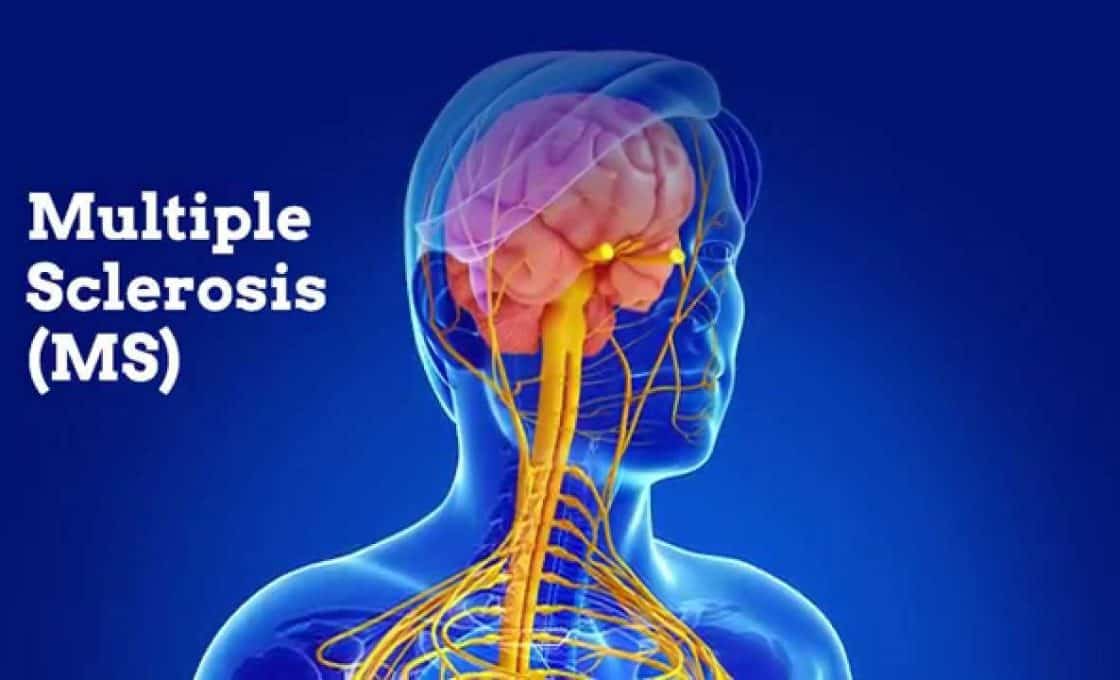
A New Kind of MS Drug Just Cleared Its Biggest Hurdle: What Fenebrutinib Means for Patients
Roche's fenebrutinib hit its primary endpoint in all 3 Phase III trials, showing a 51-59% reduction in relapses for relapsing MS and the first new mechanism to slow disability in progressive MS in over a decade. Here is what that actually means if you or someone you know is living with MS.

One Baby Changed Everything: How the FDA Opened the Door for Ultra-Rare Disease Treatments
What Placebos and Randomization Actually Mean for You (In Plain English)
MECP2 Gene Therapy for Rett Syndrome: What Families Should Know About the Trials in 2026
Two gene therapy programs for Rett syndrome now have FDA Breakthrough Therapy designation and are in registrational or pivotal trials. For families weighing whether to pursue a trial, here is what the landscape actually looks like right now.

The Hidden Costs of Joining a Clinical Trial (And How to Get Help Paying for Them)
Regenxbio's Hunter Syndrome Gene Therapy Rejected: What Happened and What It Means
When the Measuring Stick Moves: Biohaven, the FDA, and What It Means for SCA Patients
Biohaven's SCA program hit a regulatory wall despite 8 years of FDA collaboration and data showing 70% slowing of disease progression. For patients losing coordination, speech, and independence with no approved treatments, the stakes could not be higher.
Questions about Trial Friend News and Analysis
What does Trial Friend News and Analysis cover?
Rare disease clinical trial results, FDA approval decisions, gene therapy access, drug pipelines, insurance and access problems, and treatment guides, written in plain language for patients and caregivers rather than for clinicians.
Where does the information come from?
Every post is built from primary sources: FDA announcements and drug labels, ClinicalTrials.gov records, company announcements, and peer-reviewed studies. Each post lists its sources at the end. No pharmaceutical company sponsors or influences what we publish.
Who writes Trial Friend News and Analysis?
Jason Hunter, the independent writer and editor behind Trial Friend. No drug company funds or reviews his work. He uses AI tools to help research, draft and check posts, and approves every post against its cited sources before it is published. He is not a clinician, and nothing here is medical advice.
How do you keep posts current after an FDA decision?
Posts written ahead of an FDA decision are updated in place the day the outcome is announced, and the date of the change is shown next to the publish date. The FDA calendar on Trial Friend carries each outcome with its source.
Is Trial Friend News and Analysis free?
Yes. Every article, drug guide, and clinical trial analysis on Trial Friend is free, with no account, subscription, or login required.
Use a feed reader? Every new post is in the Trial Friend news and analysis RSS feed.