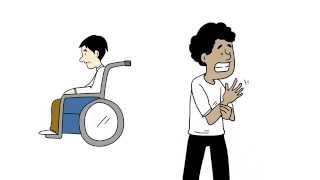
About Guillain-Barré Syndrome
Guillain-Barré syndrome is an acute autoimmune polyneuropathy in which the immune system mistakenly attacks components of the peripheral nervous system. In the most common form (acute inflammatory demyelinating polyneuropathy or AIDP), antibodies target the myelin sheath surrounding peripheral nerves, disrupting nerve signal transmission and causing rapidly progressive weakness. The condition typically begins with tingling and weakness in the feet and legs that ascends over hours to days, potentially involving the arms, trunk, cranial nerves, and respiratory muscles.
GBS is usually triggered by a preceding infection, most commonly Campylobacter jejuni gastroenteritis, but also by respiratory viruses, cytomegalovirus, Epstein-Barr virus, and Zika virus. The immune response generated against the pathogen cross-reacts with gangliosides or other components on peripheral nerve membranes through molecular mimicry. Treatment with intravenous immunoglobulin (IVIG) or plasma exchange can shorten the course and severity. About 70-80% of patients recover fully, though recovery can take months to years. Approximately 5% of cases are fatal, usually from respiratory failure or cardiac complications, and some patients experience residual weakness or fatigue.
Common Symptoms of Guillain-Barré Syndrome
Recognizing the signs of Guillain-Barré Syndrome early can lead to faster diagnosis and better outcomes. Symptoms may vary in severity from person to person. If you or a loved one are experiencing any of the following, consider speaking with a specialist.
- Tingling or weakness starting in the feet and legs, spreading upward
- Difficulty walking, climbing stairs, or using facial muscles
- Muscle weakness affecting both sides of the body
- Chest weakness that may affect breathing
- Deep muscle pain, especially in back and legs
- Changes in blood pressure or heart rate
Who Guillain-Barré Syndrome Affects
Can occur at any age but is slightly more common in adults over 50 and in males. Often develops days or weeks after a respiratory or gastrointestinal infection, particularly Campylobacter jejuni. Rare cases have been associated with certain vaccinations or surgical procedures.
Find Your Next Step
Answer a few questions and we'll point you to the right tools and information for where you are right now.
Help Paying for Guillain-Barré Syndrome Treatment
Charity funds and drugmaker programs for Guillain-Barré Syndrome, checked at the source. Pick your insurance to see what fits.
- From a charity · NORD RareCareGuillain-Barre Emergency Relief Assistance fundOpen
Pays for: Emergency relief.
The foundation says: “Accepting Applications”
Side Effect Explorer
Real-world side effect reports from the FDA Adverse Event Reporting System (FAERS). Includes both FDA-approved drugs and investigational therapies from active clinical trials. Click any drug to see what patients reported.
Loading side effect data...
Diagnosis and Testing
A post-infectious immune attack on peripheral nerves; almost all cases are sporadic and no genetic test has a role.
Trusted Guillain-Barré Syndrome Resources
Reputable organizations and medical references for learning more about Guillain-Barré Syndrome, including disease registries, foundation resources, and clinical guidelines.