About Amyotrophic Lateral Sclerosis
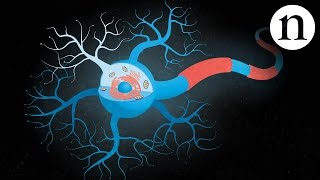
Amyotrophic lateral sclerosis (ALS) is a progressive neurodegenerative disease characterized by degeneration of both upper motor neurons (in the brain cortex) and lower motor neurons (in the spinal cord), leading to weakness and paralysis of voluntary muscles. Despite the progressive muscle weakness and eventual paralysis, cognition and sensation are typically preserved.
The disease typically begins with focal weakness in one limb or in speech and swallowing muscles, then progresses to generalized weakness. Fasciculations (muscle twitching visible under the skin) are characteristic. The disease ultimately leads to respiratory failure requiring mechanical ventilation.
ALS is relentlessly progressive and currently has no cure, though several disease-modifying therapies can slow progression and prolong survival. Riluzole and edaravone are FDA approved to treat ALS, and tofersen (Qalsody) has accelerated approval for adults whose ALS is caused by a change in the SOD1 gene. Approximately 10% of ALS is familial (genetic), while 90% is sporadic. Recent research has identified multiple genetic mutations and molecular pathways involved in neurodegeneration.
Common Symptoms of Amyotrophic Lateral Sclerosis
Recognizing the signs of Amyotrophic Lateral Sclerosis early can lead to faster diagnosis and better outcomes. Symptoms may vary in severity from person to person. If you or a loved one are experiencing any of the following, consider speaking with a specialist.
- Muscle weakness in arms, legs, or both, often starting in one limb
- Muscle twitching (fasciculations) visible under the skin
- Progressive loss of strength and muscle control
- Difficulty speaking, slurred speech
- Difficulty swallowing
- Shortness of breath, especially when lying down
Who Amyotrophic Lateral Sclerosis Affects
Usually diagnosed in people ages 40-60, though can occur earlier or later. Sporadic ALS affects about 90% of cases; familial ALS in 5-10%. More common in men than women by approximately 1.5:1 ratio.
Find Your Next Step
Answer a few questions and we'll point you to the right tools and information for where you are right now.
FDA-Approved Treatments for Amyotrophic Lateral Sclerosis
There are currently 3 FDA-approved medications for Amyotrophic Lateral Sclerosis. These therapies represent the current standard of care and may be used alongside or compared against investigational treatments in active clinical trials.
Source: openFDA drug labeling data. This list may not include all treatments. Always consult your doctor.
Help Paying for Amyotrophic Lateral Sclerosis Treatment
Charity funds and drugmaker programs for Amyotrophic Lateral Sclerosis, checked at the source. Pick your insurance to see what fits.
- From a charity · HealthWell FoundationAmyotrophic Lateral Sclerosis fundOpen
Pays for: Copays, premiums or other treatment costs.
- From a charity · NORD RareCareALS Travel & Lodging Assistance fundOpen
Pays for: Travel and lodging for care.
The foundation says: “Accepting Applications” - From a charity · Muscular Dystrophy AssociationMDA Durable Medical Equipment (DME) Grant Program fundApply directly
Pays for: Medical equipment (wheelchairs, lifts, canes and other DME), up to $1,000 per year.
The foundation says: “Status not shown on page” - From a charity · The ALS AssociationHoffman ALS Financial Assistance Program fundApply directly
Pays for: Travel to ALS clinic (transportation, lodging, lost wages) and clinic copays/deductibles, up to $1,000 per year.
The foundation says: “Status not shown on page” - From a charity · The Assistance FundAmyotrophic Lateral Sclerosis (ALS) fundWaitlist
Pays for: Copays, coinsurance, deductibles and other health-related expenses.
The foundation says: “WAITLIST — Accepting Waitlist Patients. TAF is currently accepting requests to join the enrollment waitlist for this program. Waitlists a…”
- Qalsody (Tofersen) · Biogen Support Services
- Rilutek (Riluzole) · TIGLUTIK Copay Support
- Radicava (Edaravone) · JourneyMate Support Program
Side Effect Explorer
Real-world side effect reports from the FDA Adverse Event Reporting System (FAERS). Includes both FDA-approved drugs and investigational therapies from active clinical trials. Click any drug to see what patients reported.
Loading side effect data...
Genetic Testing
Genetic testing can confirm a diagnosis, guide treatment decisions, and identify family members who may be at risk.
Finding labs...
Trusted Amyotrophic Lateral Sclerosis Resources
Reputable organizations and medical references for learning more about Amyotrophic Lateral Sclerosis, including disease registries, foundation resources, and clinical guidelines.