
On this page
- 1What an Alpha-Gal Blood Test Number Does and Does Not Mean
- 2Why Alpha-Gal Reactions Start Hours After a Meal
- 3Which Foods to Avoid With Alpha-Gal Syndrome and Which Most People Keep
- 4Medicines, Vaccines and What Is Inside a Pill
- 5Alcohol, Exercise and Other Things That Can Tip a Reaction
- 6Getting Ready for a Reaction You Hope Never Comes
- 7Does Alpha-Gal Syndrome Go Away?
- 8When a Child Is Diagnosed With Alpha-Gal Syndrome
- 9Studies and Support for People With Alpha-Gal Syndrome
- 10Common questions
- Sources
Most people with alpha-gal syndrome control it by avoiding mammal meat, and many keep eating dairy, according to the CDC and University of Virginia allergists. The CDC and the AGA say a test number alone does not confirm the allergy, and studies find it does not predict how bad a reaction will be. Avoiding new tick bites gives the antibody level its best chance to fall.
Alpha-gal syndrome is an allergy to alpha-gal, a sugar found in the meat and other products of most mammals. In the United States it most often follows a lone star tick bite, according to the CDC. The CDC says a diagnosis rests on a history of reactions, a physical exam and a blood test for alpha-gal IgE antibodies.
Reactions usually start 2 to 6 hours after eating red meat or dairy, the CDC says. Vague, delayed symptoms can hold up a diagnosis for years, according to a 2025 infectious disease review (Shishido and Wormser, 2025). In a 2022 CDC survey of 1,500 health care providers, 42% had never heard of the condition (Carpenter et al., 2023).
This guide covers the questions that come right after the diagnosis. It explains what the test number means, why reactions arrive late, which foods most people give up or keep, and what to check inside a pill or vaccine. It also covers what studies show about the allergy fading.
What an Alpha-Gal Blood Test Number Does and Does Not Mean
The test measures alpha-gal IgE, the allergy antibody the immune system makes against the sugar. The CDC calls this blood test the main diagnostic test. In May 2020 the FDA cleared one version, the ImmunoCAP alpha-gal test made by Phadia AB.
Eurofins Viracor ran nearly all US alpha-gal testing before 2022, according to the CDC (Thompson et al., 2023). Its test page says its own version has not been cleared or approved by the FDA. Labs also disagree about where a positive result starts, which the chart below lays out.
Trial Friend lined up 6 published readings of the same blood test, read on November 19, 2026. They come from the surveillance case definition the CDC uses, 2 lab test pages and 3 studies (Wilson et al., 2019; Platts-Mills et al., 2020; Mabelane et al., 2018). A result of 0.2 counts as positive for the CDC and Viracor, borderline at Mayo, and below the cutoff of the University of Virginia's research series. The South African study involved a different tick and many children, and none of these lines predicts how severe a reaction will be.
A positive result on its own does not mean a person has alpha-gal syndrome, the CDC says. A CDC-led study tested 3,000 blood donors in 10 states and was published in 2026. Its estimated share with a result of 0.1kU/L or more ranged from 1.1% in Washington to 31.2% in Arkansas.
Those rates far exceed the CDC's estimate of up to 450,000 people with the syndrome, about 0.14% of the country. Its authors concluded that a more specific test, and possibly a higher cutoff, are needed to improve surveillance.
“IgE testing should only be performed for patients with a clinical history...”
CDC, Morbidity and Mortality Weekly Report, July 2026
A higher number does not mean a worse reaction. Dr. Scott Commins of the University of North Carolina drew on 2,500 patients for a 2020 review, and he writes that the antibody level does not predict severity. In the University of Virginia series of 261 patients, levels were similar in people with and without anaphylaxis (Commins, 2020; Wilson et al., 2019).
Some allergists compare the result with total IgE, the sum of all allergy antibodies in the blood. The University of Virginia group calls the diagnosis very likely in someone with a matching history at 2 or more, or above 2% of total IgE. Its authors stress that no strict criteria exist (Platts-Mills et al., 2020).
Sources word the meaning of a positive test differently. A 2025 Cleveland Clinic article says a level of 0.1kU/L or more confirms the diagnosis, though it also recommends testing only after a clinical screen. The CDC and the American Gastroenterological Association (AGA) say a positive test alone is not enough, and the blood donor data support the more cautious reading.
When the history and the blood test disagree, allergists have other tools. Intradermal skin tests, which place a little meat extract just under the skin, can help, though few clinics offer them. Standard prick tests with meat extracts are unreliable, the University of Virginia group writes (Platts-Mills et al., 2020). A newer basophil activation test is not widely available, according to the American College of Allergy, Asthma and Immunology (ACAAI).
A supervised oral food challenge is the formal standard for any food allergy, but the AGA calls it impractical for routine care because reactions take hours to appear. For people whose symptoms are mostly in the gut, the AGA asks for at least 1 month on an avoidance diet before the diagnosis is confirmed (McGill et al., 2023).
Why Alpha-Gal Reactions Start Hours After a Meal
Timing estimates differ a little from one source to the next. The CDC gives 2 to 6 hours after eating red meat or dairy, and the American Academy of Allergy, Asthma and Immunology (AAAAI) gives 3 to 8. In supervised meat challenges at the University of Virginia, reactions began 3 to 7 hours after the first bite (Commins et al., 2014).
In the University of Virginia series, 81% had symptoms start 2 hours or more after eating, while about 16% reported onset sooner. Kidney tends to act faster, and 67% of reactions in a French series of pork and beef kidney allergy began within 2 hours (Wilson et al., 2019; Morisset et al., 2012).
Fat is the leading explanation for why the reaction is delayed. Alpha-gal in meat is carried partly on fat molecules that the gut absorbs slowly. They travel in particles called chylomicrons, which enter the blood roughly 2 hours after a meal, according to the AGA update, which calls this the proposed mechanism.
That timing can turn an evening steak into hives or stomach cramps after midnight. The AAAAI notes that some people only wake up with symptoms, and the AGA says waking at night with stomach distress may point to alpha-gal syndrome.
Hives are not always part of an alpha-gal reaction. When McGill and colleagues pooled 2 meat challenge studies, 40.7% of 91 allergic patients had only stomach symptoms, such as pain, nausea, vomiting or diarrhea (McGill et al., 2024). The AGA update says these patients may otherwise be diagnosed with irritable bowel syndrome (McGill et al., 2023).
Stomach symptoms on their own can still be dangerous. The AAAAI described the first recorded fatal case in 2025, in which a man had severe abdominal pain about 4 hours after eating beef. He had no other allergic features.
Which Foods to Avoid With Alpha-Gal Syndrome and Which Most People Keep
The University of Virginia allergy group estimates that about 80% of patients are controlled by avoiding mammal meat and organ meats alone. About 5% to 20% also need to avoid dairy and gelatin, and roughly 1% or fewer must watch for the many other products made from mammals (Platts-Mills et al., 2020).
| Food | What the CDC says | What studies of patients found |
|---|---|---|
| Beef, pork, lamb, venison, rabbit and other mammal meat | May contain alpha-gal, and reactions are more likely after meat than after other products | Beef caused reactions in 97% of patients who ate it in a CDC-led North Carolina study (Taylor et al., 2024) |
| Organ meats such as liver, kidney and intestines | Listed as containing alpha-gal, with no ranking | Called equally or more able to trigger reactions, with the strongest evidence for pork kidney, where 1-2g caused anaphylaxis in 3 challenged patients (Platts-Mills et al., 2020; Morisset et al., 2012) |
| Milk, cheese, ice cream and cream | Many patients can tolerate milk products | Estimates run from 9.2% reporting dairy reactions in 261 Virginia patients to 61% of dairy eaters in the North Carolina study. The AGA update takes a stricter line, listing butter and milk among products to avoid and removing dairy during a 1-month trial diet |
| Gelatin in marshmallows, gummies and gel caps | Some people react to beef or pork gelatin | From 0.8% of all Virginia patients to 40% of North Carolina patients who ate gelatin foods. Dr. Commins writes that most tolerate small everyday exposures |
| Lard, tallow, suet, broth, bouillon and gravy | Listed as possible sources | Dr. Commins notes lard can hide in vegetables, mashed potatoes and fry oil |
| Carrageenan, a seaweed thickener | Not on the CDC list | Contains alpha-gal, but Dr. Commins puts the risk as quite low and relevant to about 1-2% of patients |
| Poultry, fish, seafood, eggs, fruits and vegetables | Do not contain alpha-gal | Free of alpha-gal themselves, though at least 5 patients in Virginia reacted to chicken or turkey sausage in pork casings (Platts-Mills et al., 2020) |
That wide dairy range is why whether to keep dairy is usually worked out one person at a time. A 2026 review of alpha-gal syndrome in children advises keeping dairy that is tolerated, to protect nutrition and growth (Miliordos and Triga, 2026).
Food labels will not flag most of these ingredients. The CDC points out that cow's milk is the only alpha-gal ingredient classified as a major food allergen, so lard, gelatin and beef broth carry no required allergen warning.
Cross-contact from shared grills and kitchens matters more for some people than others. The AGA warns that restaurants may cross-contaminate food, which can be a problem for highly sensitive patients. Dr. Commins writes that sharing a spatula when cooking at home is typically fine, and some patients tolerate foods with "may contain" or "processed in" labels.
Medicines, Vaccines and What Is Inside a Pill
The CDC lists gelatin, glycerin, magnesium stearate and bovine extract among the ingredients that can put alpha-gal in medicines and vaccines. It also notes that not all patients react to them, and it advises talking to your provider before starting a new medicine or getting a vaccine.
A pill can carry alpha-gal in 3 separate places, so checking only one of them can mislead. The table below shows each layer with a real example from FDA labels.
| Part of the medicine | What it can be made from | Example from FDA labels |
|---|---|---|
| The capsule shell or softgel | Gelatin from cattle or pigs, or a plant-based material such as hypromellose | Trial Friend read 121 fluoxetine capsule labels on openFDA, and every one lists gelatin, though fluoxetine itself is not on the CDC's list of animal-derived ingredients |
| Inactive ingredients inside the pill and in its coating | Fillers, lubricants and coatings, including glycerin and magnesium stearate, which the CDC lists as possible alpha-gal sources | Most labels name these ingredients without saying whether they came from an animal or a plant, though a few, such as Entresto, list a vegetable source |
| The medicine itself | A few active ingredients are made from animal tissue | Heparin comes from pig intestine, Armour Thyroid from pig thyroid glands and pancreatic enzymes such as Creon from pig pancreas |
A plant-based shell does not make the medicine inside plant-based. Zenpep and Pancreaze, 2 pancreatic enzyme capsules, have shells made with hypromellose in their current labels, yet those labels say the enzymes inside are extracted from pig pancreas. Most Zenpep strengths also use carrageenan in the shell.
The reverse happens too, as the fluoxetine labels show, when a medicine with no animal-derived active ingredient comes in a gelatin capsule. Creon shows that 1 product can vary as well, since its label says the shells differ by strength and some strengths may contain gelatin.
Generic versions must match the brand's active ingredient, but the FDA notes that products from different companies can differ in certain inactive ingredients. Generics can also look different from the brand, the FDA notes, so a change in a pill's color or shape is a good moment to check its ingredients again.
Whether a flagged ingredient matters for you is a question for your allergist and pharmacist. The checker reports what a label contains, never whether a medicine is safe for a particular person.
Gelatin capsules do not bother everyone. Dr. Commins writes that they are an infrequent cause of heartburn or nausea, under 5% of patients, especially in people taking several gelatin capsules. He also notes that reactions to gelatin in general are not uncommon in alpha-gal syndrome.
Several vaccines contain gelatin. The CDC's travel medicine guide lists it in FluMist, the nasal flu vaccine, and in MMR, MMRV and the Varivax chickenpox vaccine. It also lists YF-Vax for yellow fever, RabAvert for rabies and Vivotif, an oral typhoid vaccine.
That CDC table is written for people with gelatin allergy. It names alternatives for some of these, such as another flu vaccine instead of FluMist, Imovax for rabies and the Typhim Vi typhoid shot. For MMR, MMRV, Varivax and YF-Vax, it advises an evaluation by an allergist.
Sources differ on how cautious to be with vaccines. The CDC calls reactions to ingredients in vaccines and medicines very rare, seen in some people with severe alpha-gal syndrome. Dr. Commins takes a firmer line and writes that patients should not receive gelatin-containing vaccines when that can be avoided.
Alcohol, Exercise and Other Things That Can Tip a Reaction
Allergists call these extras cofactors, conditions that make a reaction more likely or worse after the same meal. They help explain why a burger that was fine one week causes hives the next. Dr. Commins writes that cofactors appear to lower the amount of alpha-gal needed to react, though this needs more study.
| Factor | Who names it | Strongest evidence found |
|---|---|---|
| Alcohol | The AGA, a 2020 NIAID workshop report and the Virginia and North Carolina groups | In a CDC-led study, 29% of drinkers said it worsened reactions. It was the most common of these factors in a French series of kidney allergy and the only one implicated in a Spanish study |
| Exercise | The same groups | In the same CDC-led study, 32% of patients who exercise said it worsened reactions |
| Fattier meat | The AGA and Dr. Commins | Linked more consistently to symptoms, in clinic experience and challenge observations |
| New tick bites | The CDC and Dr. Commins | The CDC says new bites may reactivate reactions. Dr. Commins writes that recent bites seem to make tolerated foods trigger reactions again |
| NSAID pain relievers such as ibuprofen | The AGA, the NIAID workshop and the Virginia group | Named as a risk factor in expert reviews, with no alpha-gal study giving a rate |
| Stress, poor sleep, illness and menstrual periods | Dr. Commins | Clinical experience only, with no alpha-gal study cited |
This list is not a reason to stop a medicine a doctor prescribed. Asking the allergist which cofactors matter for you is the practical next step.
Getting Ready for a Reaction You Hope Never Comes
The CDC says a provider may prescribe an epinephrine auto-injector or nasal spray, and anyone who uses one should still seek emergency care. The ACAAI goes further and tells people with meat allergy to always carry 2 doses. It adds that antihistamines do not replace epinephrine for anaphylaxis.
The AGA asks gut specialists to consider referring anyone with hives, face or throat swelling, breathing trouble or fainting to an allergist, for formal training on the auto-injector. The CDC advises asking your provider how to prepare for a reaction and how to recognize anaphylaxis.
Doctors and hospitals have a specific code for the allergy. ICD-10-CM code Z91.014, allergy to mammalian meats, was added in the 2022 code set. Having it on your chart can help the allergy follow you to surgeons, anesthesiologists and pharmacists.
Hospital care brings its own exposures, from heparin to some surgical materials. Trial Friend's guide to blood transfusions covers a newer finding for people with type O blood.
Guidance on medical ID jewelry is mixed, since the 2023 anaphylaxis guideline from the AAAAI and ACAAI calls it optional, citing very low certainty evidence. The Asthma and Allergy Foundation of America suggests considering a bracelet or necklace that names the allergy.
Does Alpha-Gal Syndrome Go Away?
For some people the antibody level falls, especially without new tick bites. A University of Virginia study followed 67 patients through repeat tests. When no tick bite was reported between tests, the level fell 89% of the time, by a median of 27.3% a year (Kim et al., 2020).
New bites pushed the other way, and when patients reported a bite between tests, the level failed to fall 62% of the time. The authors note their study was not designed to show whether a lower number means a person can eat meat again.
Some patients do return to mammal meat, and Dr. Commins reports that nearly 12% of registry patients followed for at least 5 years tested negative and reintroduced it. At Washington University in St. Louis, 21 of 263 patients (8%) qualified for a doctor-designed plan to bring meat back at home (Owusu-Asare et al., 2026).
Those 21 had a level below 0.35kU/L and no reactions while avoiding meat. All 19 who tried finished the 9-day plan with an epinephrine auto-injector on hand, a mean 3 years after symptoms began. The authors call it a preliminary report on a small group.
No tool can predict whether the antibody level will fall or how fast, according to University of North Carolina allergists. They recheck levels at least once a year (Patel and Iweala, 2020). After 12 months of monitoring, they discuss reintroduction when the level is at or below 0.35kU/L, or 2% of total IgE, with no reactions. They also write that for most patients, the risk of anaphylaxis outweighs any benefit of bringing back mammal meat.
To prevent new bites, the CDC recommends clothing and gear treated with 0.5% permethrin, and EPA-registered repellents containing DEET, picaridin, IR3535, oil of lemon eucalyptus, PMD or 2-undecanone. It warns against using oil of lemon eucalyptus or PMD on children under 3.
After time outdoors, the CDC suggests tumbling clothes in a dryer on high heat for 10 minutes and checking the body for ticks. Trial Friend's guide to lone star ticks shows how to spot and remove one.
When a Child Is Diagnosed With Alpha-Gal Syndrome
Most reported cases are in adults, though the CDC says people of all ages can develop alpha-gal syndrome. The first pediatric series, from Virginia, identified 45 children aged 4 to 17 with delayed hives or anaphylaxis 3 to 6 hours after eating mammal meat (Kennedy et al., 2013).
Children and adults looked alike in the University of Virginia series, with stomach symptoms in 66% of children and 64% of adults. At a Vanderbilt pediatric gut clinic, 77.5% of the 40 children who tested positive had stomach symptoms only (Wilson et al., 2019; Busing et al., 2023).
For school and day care, the ACAAI suggests alerting staff and giving field trip supervisors a written emergency action plan. A 2026 pediatric review warns that children with only stomach symptoms may bypass an allergy evaluation (Miliordos and Triga, 2026).
Studies and Support for People With Alpha-Gal Syndrome
NIAID's CoFAR-13 study, NCT07611435, compares pork from pigs genetically modified to lack alpha-gal with regular pork in blinded food challenges. It takes people aged 12 to 50 with a reaction in the past 24 months, and Vanderbilt in Nashville is recruiting. Sites in Arkansas, North Carolina and Virginia are listed as not yet recruiting.
Other open studies appear on Trial Friend's alpha-gal syndrome page, along with the latest research news. For day-to-day help, the Alpha-gal Alliance, a volunteer nonprofit, runs a site called Alpha-gal Information. It offers a newly diagnosed checklist, a restaurant guide and a directory of support groups. Its site notes that its volunteers are not medical professionals.
Questions People Ask After an Alpha-Gal Diagnosis
Is alpha-gal syndrome linked to heart disease?
Researchers have found an association between the two, not proof of a cause. A 2018 University of Virginia study of 118 heart catheterization patients found more artery plaque in those with alpha-gal IgE (Wilson et al., 2018). The link was clearest at age 65 or younger. An Australian study of 1,056 patients linked it to noncalcified plaque (Vernon et al., 2022). The Virginia authors did not know their patients' diets, and their theory concerns sensitized people who keep eating mammal products. Trial Friend found no study showing higher heart risk in diagnosed patients who avoid mammal meat.
Can a blacklegged tick, the one that spreads Lyme disease, cause alpha-gal syndrome?
Less commonly than lone star ticks, according to the CDC, which says a few cases have followed blacklegged and western blacklegged tick bites. A CDC-published Maine report described a patient whose symptoms began 9 days after a confirmed blacklegged tick bite. A Cleveland Clinic lab study found alpha-gal IgE in 15 of 100 blood samples that tested positive for Lyme, against 2 of 100 controls (Kadkhoda et al., 2026).
Should I be tested for other tick-borne infections after an alpha-gal diagnosis?
That depends on your symptoms and bites, so it is a question for your doctor. A 2025 review in an Infectious Diseases Society of America journal says alpha-gal syndrome does not appear to result from a tick-borne infection itself. Its list of steps for clinicians after a tick bite includes considering the risk of tick-borne infections (Shishido and Wormser, 2025). Trial Friend found no published position on alpha-gal testing from ILADS or Lyme-literate physician groups as of November 2026.
Why do I react to a food one day and not the next?
The amount eaten, the fat in the meal and cofactors such as alcohol or exercise all seem to change the outcome, according to Dr. Commins and the AGA. The CDC also notes that one person can have different symptoms each time they are exposed. Recent tick bites can make foods that were tolerated start causing reactions again.
How common is alpha-gal syndrome?
More than 110,000 suspected cases were identified in the United States between 2010 and 2022, and the CDC estimates up to 450,000 people may be affected (Thompson et al., 2023). It is not nationally reportable, though some states now require reporting. Arkansas made it reportable in September 2023, and Virginia and Massachusetts are among the states that followed, in September 2025 and March 2026.
Free email alert
Get alpha-gal syndrome trial and FDA news by email
One email when a new alpha-gal syndrome trial opens or the FDA acts on a alpha-gal syndrome treatment. Unsubscribe anytime.
You'll get trial alerts and disease updates for Alpha-Gal Syndrome, and you can turn either off anytime. We never share your email. Privacy policy
Trial Friend articles on alpha-gal syndrome
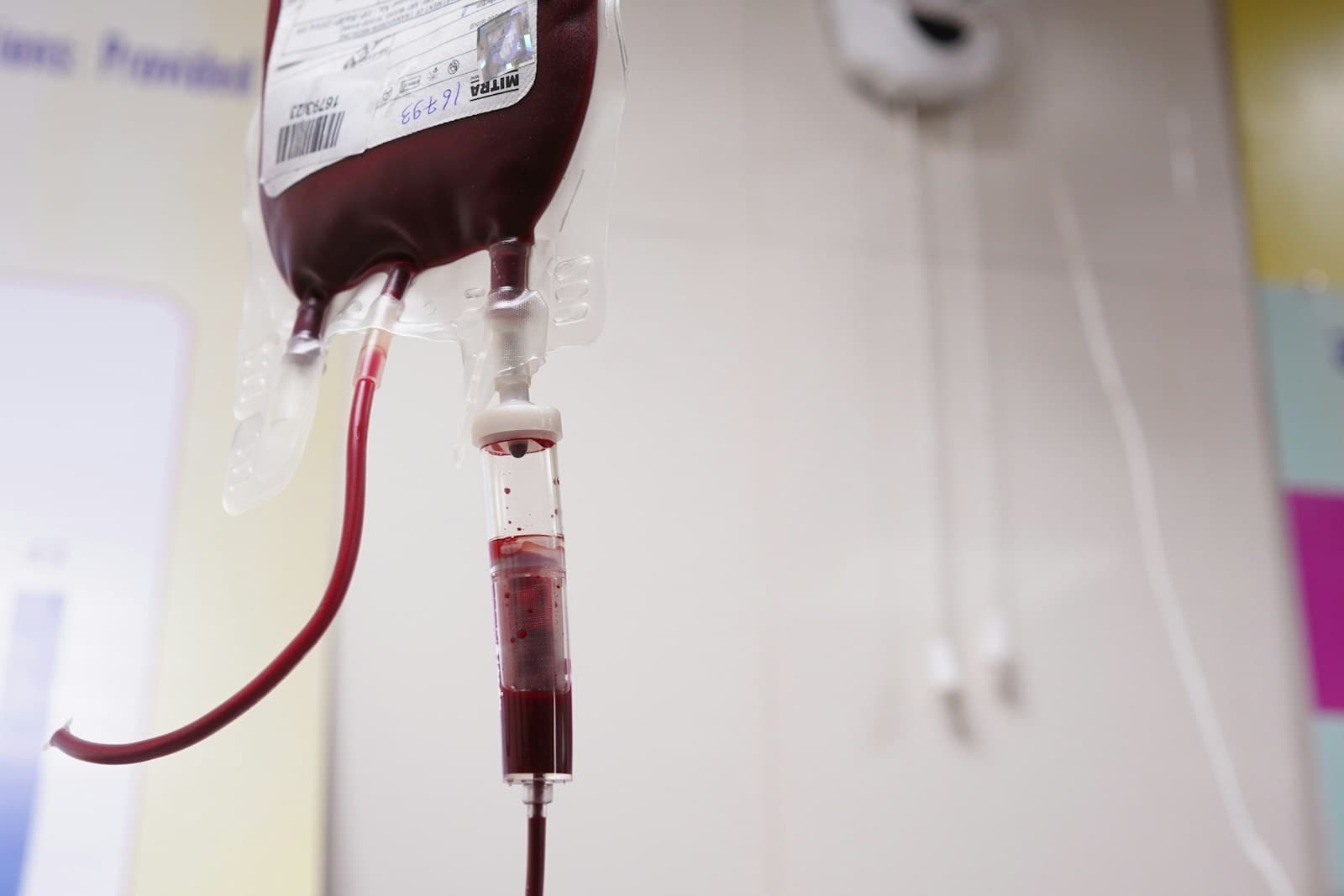 September 16, 2026 · 7 min readAlpha-Gal Syndrome and Blood Transfusions, What Type O Patients Should Tell Their HospitalNew national blood bank guidance describes transfusion-related alpha-gal syndrome, where people sensitized by tick bites react to platelets and plasma from type B or AB donors. All 9 published cases were in type O patients, and 1 was fatal. Here is what to say before surgery.
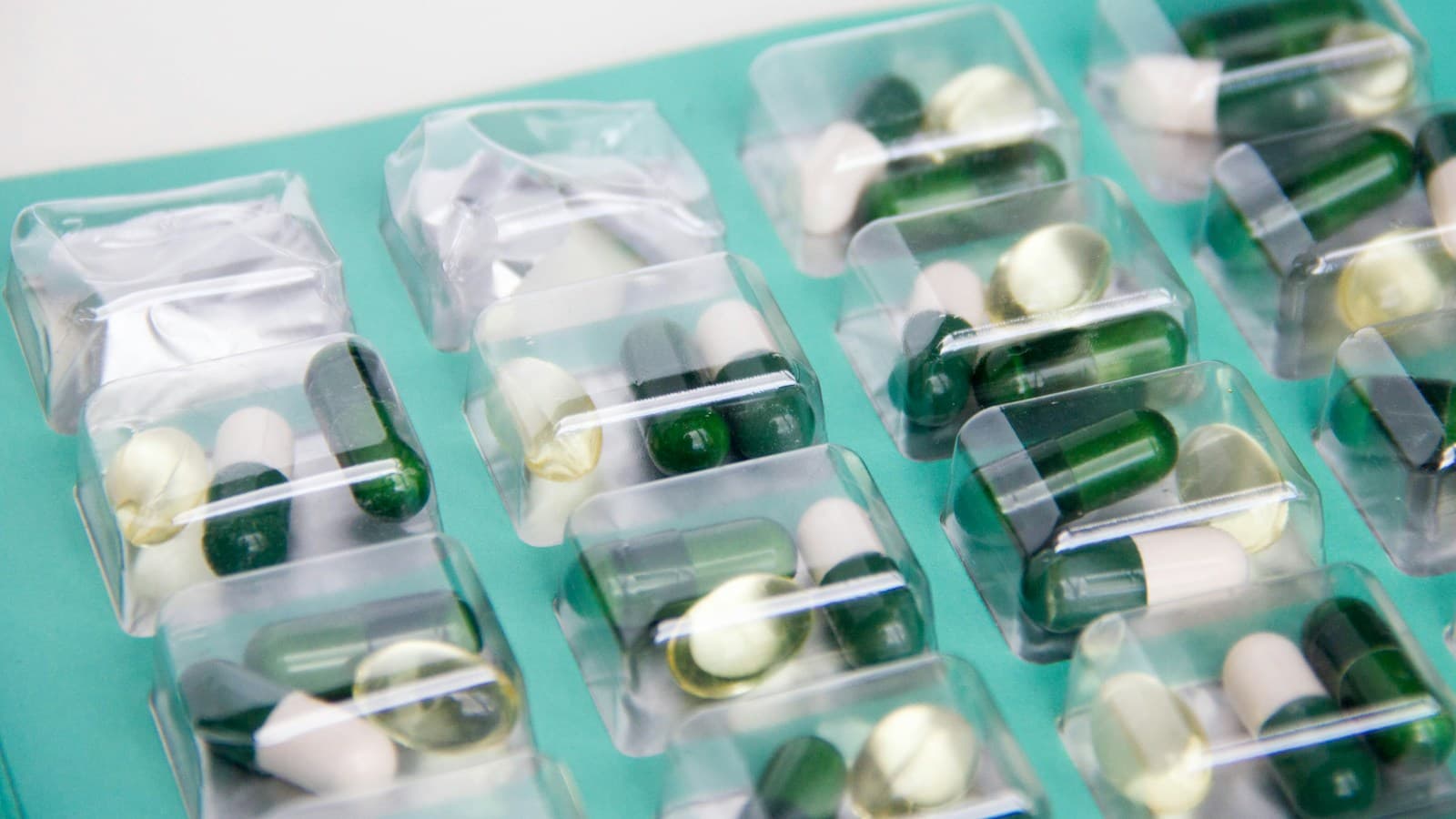 September 15, 2026 · 8 min readWe Built a Free Alpha-Gal Medication CheckerType any drug name and see which manufacturers' versions contain gelatin, heparin, or other mammalian-derived ingredients, screened directly from FDA labels. Free, no login, and honest about what it cannot tell you.
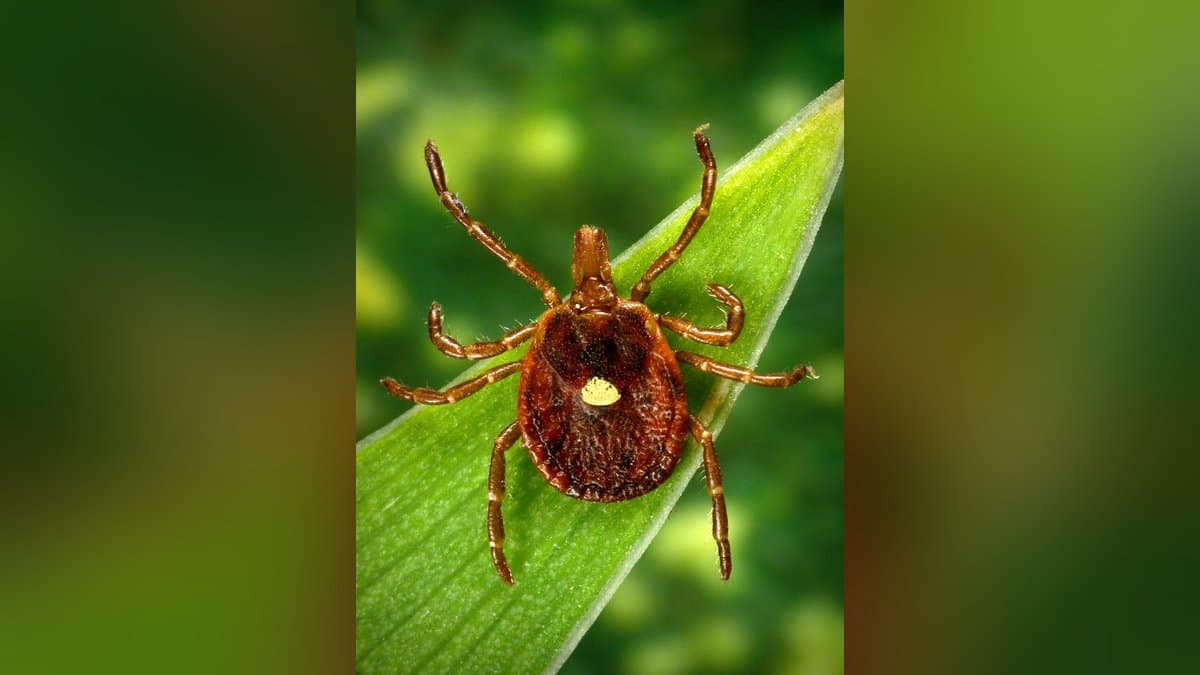 May 12, 2026 · 12 min readLone Star Tick Bites and the Rare Diseases They Cause from Alpha-Gal Syndrome to Heartland VirusThe lone star tick is the small white-dotted tick driving the surge in Alpha-Gal Syndrome cases across the United States. Range is expanding north and west, and the same tick carries ehrlichiosis, Heartland virus, Bourbon virus, STARI, and tularemia. This is the comprehensive guide to identifying lone star ticks, the diseases they cause, what to do after a bite, and how to prevent the next one.
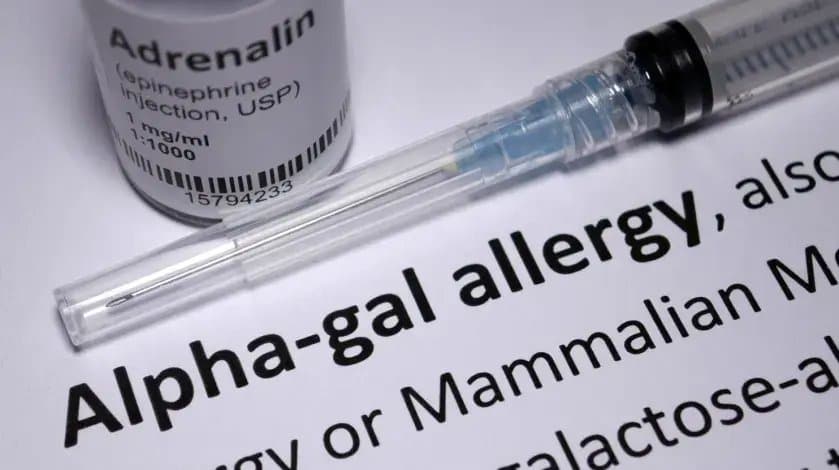 May 8, 2026 · 17 min readAlpha-Gal Syndrome: Medications, Vaccines, and Medical Products That Can Trigger a ReactionAlpha-Gal Syndrome (AGS) is more than a red meat allergy. Heparin, certain monoclonal antibodies, gelatin in vaccines and capsules, surgical glues, and many over-the-counter medications can contain mammalian-derived alpha-gal and trigger a reaction. This guide covers hidden alpha-gal exposures in healthcare, with the products to ask about, alternatives without mammalian ingredients, and what to tell every doctor before any procedure.
Sources
Trial Friend checked this guide against these sources on November 19, 2026. It explains what the CDC, allergy and gastroenterology groups, lab test catalogs and published studies say. It is not medical advice or a reason to start, stop or change a medicine.
- Clinical Diagnosis and Testing for Alpha-gal Syndrome. Centers for Disease Control and Prevention, 2026-01-05.
- Symptoms of Alpha-gal Syndrome. Centers for Disease Control and Prevention, 2026-01-05.
- About Alpha-gal Syndrome. Centers for Disease Control and Prevention, 2026-01-05.
- Fast Facts: Products That May Contain Alpha-gal. Centers for Disease Control and Prevention, 2026-01-05.
- Managing Alpha-gal Syndrome. Centers for Disease Control and Prevention, 2026-01-05.
- Alpha-gal Immunoglobulin E Seroprevalence Among Blood Donors, 10 States, 2024-2025. CDC Morbidity and Mortality Weekly Report 75(25):315-321, 2026-07-02.
- Geographic Distribution of Suspected Alpha-gal Syndrome Cases, United States, January 2017 to December 2022 (Thompson et al.). CDC Morbidity and Mortality Weekly Report 72(30):815-820, 2023-07-28.
- Health Care Provider Knowledge Regarding Alpha-gal Syndrome, United States, March to May 2022 (Carpenter et al.). CDC Morbidity and Mortality Weekly Report 72(30):809-814, 2023-07-28.
- Preventing Tick Bites. Centers for Disease Control and Prevention, 2024-08-28.
- Severely Allergic Travelers, Table 2.5.2 Allergens in vaccines. CDC Yellow Book 2026, 2025-04-23.
- Generic Drugs: Questions & Answers. U.S. Food and Drug Administration, 2026-09-18.
- Fluoxetine prescription drug labels, 171 records read in 2 pages. U.S. Food and Drug Administration, openFDA, 2026-11-20.
- ZENPEP (pancrelipase) delayed-release capsules prescribing information. Aimmune Therapeutics, via DailyMed, 2025-11-14.
- PANCREAZE (pancrelipase) delayed-release capsules prescribing information. VIVUS, via DailyMed, 2025-06-06.
- CREON (pancrelipase) delayed-release capsules prescribing information. AbbVie, via DailyMed, 2024-02-28.
- Armour Thyroid (thyroid tablets, USP) prescribing information. Allergan, via DailyMed, 2024-03-13.
- ENTRESTO (sacubitril and valsartan) prescribing information. Novartis, via DailyMed, 2026-07-06.
- Heparin Sodium Injection, USP prescribing information. Meitheal Pharmaceuticals, via DailyMed, 2025-09-26.
- AGA Clinical Practice Update on Alpha-Gal Syndrome for the GI Clinician: Commentary (McGill SK, Hashash JG, Platts-Mills TA). Clinical Gastroenterology and Hepatology 2023;21(4):891-896, 2023-04.
- Diagnosis & management of alpha-gal syndrome: lessons from 2,500 patients (Commins SP). Expert Review of Clinical Immunology 2020;16(7):667-677, 2020-07.
- Diagnosis and management of patients with the α-Gal syndrome (Platts-Mills TAE et al.). Journal of Allergy and Clinical Immunology: In Practice 2020;8(1):15-23, 2020-01.
- On the cause and consequences of IgE to galactose-α-1,3-galactose: A report from the NIAID workshop (Platts-Mills TAE et al.). Journal of Allergy and Clinical Immunology 2020;145:1061-1071, 2020-04.
- Investigation into the α-Gal Syndrome: Characteristics of 261 Children and Adults Reporting Red Meat Allergy (Wilson JM et al.). Journal of Allergy and Clinical Immunology: In Practice 2019;7(7):2348-2358, 2019-09.
- Delayed clinical and ex vivo response to mammalian meat in patients with IgE to galactose-alpha-1,3-galactose (Commins SP et al.). Journal of Allergy and Clinical Immunology 2014;134(1):108-115, 2014-07.
- Predictive values of alpha-gal IgE levels and alpha-gal IgE: Total IgE ratio and oral food challenge-proven meat allergy in a population with a high prevalence of reported red meat allergy (Mabelane T et al.). Pediatric Allergy and Immunology 2018;29(8):841-849, 2018-12.
- ALGAL, Galactose-Alpha-1,3-Galactose (Alpha-Gal), IgE, Serum. Mayo Clinic Laboratories, 2026-11-19.
- 30039, Galactose alpha 1,3 galactose Alpha Gal IgE. Eurofins Viracor, 2026-11-19.
- ImmunoCAP Allergen o215 alpha-Gal 510(k) clearance K200279. U.S. Food and Drug Administration, openFDA, 2020-05-01.
- Alpha-Gal Syndrome: Recognizing and Managing a Tick-Bite-Related Meat Allergy (Part II). Cleveland Clinic Consult QD, 2025-08-28.
- Gastrointestinal-isolated Distress is Common in Alpha-gal Allergic Patients on Mammalian Meat Challenge (McGill SK et al.). Journal of Clinical Gastroenterology 2024;58(1):80-84, 2024-01.
- Anaphylaxis to pork kidney is related to IgE antibodies specific for galactose-alpha-1,3-galactose (Morisset M et al.). Allergy 2012;67(5):699-704, 2012-05.
- Intrinsic risk factors for alpha-gal syndrome in a case-control study, 2019 to 2020 (Taylor M et al.). Annals of Allergy, Asthma and Immunology 2024;132(6):759-764, 2024-06.
- IgE-Mediated Sensitization to Galactose-α-1,3-Galactose in Urticaria and Anaphylaxis in Spain: Geographical Variations and Risk Factors (Mateo Borrega MB et al.). Journal of Investigational Allergology and Clinical Immunology 2019;29(6):436-443, 2019.
- First Recorded Case of Fatal Alpha-Gal Syndrome Highlights Uncommon Anaphylaxis Symptoms. American Academy of Allergy, Asthma and Immunology, 2025-11-17.
- Alpha-gal, Red Meat Allergy and Tick Bites. American Academy of Allergy, Asthma and Immunology, 2026-08-27.
- Meat Allergy. American College of Allergy, Asthma and Immunology, 2026-03-24.
- Anaphylaxis: A 2023 practice parameter update. Joint Task Force on Practice Parameters, AAAAI and ACAAI, 2023.
- Alpha-Gal Syndrome, Lone Star Tick Allergy, and Red Meat Allergy. Asthma and Allergy Foundation of America, 2025-07-17.
- ICD-10-CM Z91.014, Allergy to mammalian meats. National Library of Medicine Clinical Table Search Service, 2026-11-19.
- 2022 Diagnoses Codes. American Academy of Allergy, Asthma and Immunology, 2021-12.
- IgE to Galactose-α-1,3-Galactose Wanes Over Time in Patients Who Avoid Tick Bites (Kim MS et al.). Journal of Allergy and Clinical Immunology: In Practice 2020;8(1):364-367, 2020-01.
- Successful home reintroduction of mammalian meat in patients with alpha-gal syndrome (Owusu-Asare et al.). Journal of Allergy and Clinical Immunology: In Practice 2026;14(2):516-517, 2026-02.
- "Doc, Will I Ever Eat Steak Again?": Diagnosis and Management of Alpha-gal Syndrome (Patel C, Iweala OI). Current Opinion in Pediatrics 2020, 2020-12.
- Galactose-α-1,3-galactose and delayed anaphylaxis, angioedema, and urticaria in children (Kennedy JL et al.). Pediatrics 2013;131(5):e1545-e1552, 2013-05.
- Clinical Presentation of Alpha-Gal Syndrome in Pediatric Gastroenterology and Response to Mammalian Dietary Elimination (Busing JD et al.). American Journal of Gastroenterology 2023;118(7):1293-1296, 2023-07.
- Pediatric alpha-gal syndrome: From missed diagnosis to the burden of avoidance (Miliordos K, Triga M). Annals of Allergy, Asthma and Immunology, 2026-10-15.
- IgE to the Mammalian Oligosaccharide Galactose-α-1,3-Galactose Is Associated With Increased Atheroma Volume and Plaques With Unstable Characteristics, Brief Report (Wilson JM et al.). Arteriosclerosis, Thrombosis, and Vascular Biology 2018;38(7):1665-1669, 2018-07.
- IgE Sensitization to Mammalian Oligosaccharide Galactose-α-1,3 (α-Gal) Is Associated With Noncalcified Plaque, Obstructive Coronary Artery Disease, and STEMI (Vernon ST et al.). Arteriosclerosis, Thrombosis, and Vascular Biology 2022;42(3):352-361, 2022-03.
- Alpha-Gal Syndrome after Ixodes scapularis Tick Bite and Statewide Surveillance, Maine, USA, 2014-2023. Emerging Infectious Diseases 31(4), CDC, 2025-03-19.
- The Prevalence of Alpha-Gal IgE among Patients with Confirmed Lyme Serology Result (Kadkhoda K et al.). International Archives of Allergy and Immunology, 2026-04-30.
- A Review of Alpha-Gal Syndrome for the Infectious Diseases Practitioner (Shishido AA, Wormser GP). Open Forum Infectious Diseases 2025;12(8):ofaf430, 2025-07-21.
- Beginning to Assess an Appropriate CONtrol for Oral Food Challenges in Alpha-Gal Syndrome (CoFAR-13), NCT07611435. ClinicalTrials.gov, NIAID, 2026-11-19.
- About Us, Alpha-gal Information. Alpha-gal Alliance, 2026-05-11.
- Alpha-Gal (Allergy). Arkansas Department of Health, 2026-09-25.
- Alpha-gal Syndrome Now Reportable in Virginia. Fairfax County Health Department, 2025-09-30.
- Massachusetts makes Alpha-gal Syndrome reportable; lone star ticks first documented on Cape Cod in 2015. Barnstable County, 2026-03-19.