About Alpha-Gal Syndrome
Alpha-Gal Syndrome is an IgE-mediated allergy to galactose-α-1,3-galactose (alpha-gal for short), a carbohydrate (sugar molecule) present on the cell surfaces of all non-primate mammals. Humans, apes, and Old World monkeys do not produce alpha-gal, which is what makes us capable of developing an immune reaction against it.
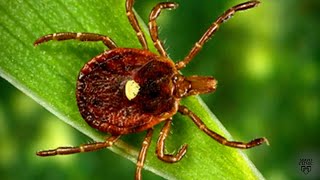
The sensitization usually begins with a tick bite. The lone star tick's saliva contains alpha-gal-bearing molecules that the tick produces in its own salivary glands (separate from any blood meal residues), and when the tick bites, this saliva is injected into the skin alongside immune-stimulating tick proteins. In some people, this combination causes the immune system to make IgE antibodies against alpha-gal. From that point forward, eating mammalian meat or other alpha-gal-containing products can trigger an allergic reaction. Importantly, having a positive alpha-gal IgE blood test does not by itself mean a patient is clinically allergic. Some people have detectable IgE without symptoms (sensitization without clinical allergy). True diagnosis of AGS requires both a positive sIgE test and a history of clinical reactions to mammalian products.
What makes AGS clinically unique is the delay. Most food allergies cause symptoms within minutes of eating the trigger. AGS reactions typically appear 3 to 8 hours after eating mammalian meat. The delay happens because alpha-gal is absorbed slowly into the bloodstream as part of dietary fat (it is bound to glycolipid molecules in mammalian fat). This delayed pattern is a major reason AGS goes undiagnosed for so long: patients and doctors often fail to connect a 9 PM hive outbreak to a 3 PM steak lunch.
The range of triggers extends well beyond red meat. Dairy products can trigger reactions in some patients (because milk fat contains small amounts of alpha-gal). Gelatin, which is derived from cattle and pigs, is present in many candies, marshmallows, vaccine stabilizers, and capsules. Heparin (an anticoagulant), porcine-derived surgical glues, certain monoclonal antibodies (notably cetuximab, whose 2008 anaphylaxis cases were the diagnostic clue that led to AGS being identified), bovine and porcine heart valve implants, and many cosmetic and personal-care products can all contain alpha-gal. The complete avoidance list is significantly longer than red meat alone, which is why AGS patients need a comprehensive medication and product safety plan.
Diagnosis is confirmed by a blood test for IgE antibodies specific to alpha-gal (sometimes called the alpha-gal sIgE or galactose-α-1,3-galactose IgE test). Levels above 0.35 kU/L are typically reported as detectable, with most clinically reactive AGS patients showing levels of 2 kU/L or higher, though clinical correlation always guides interpretation rather than the number alone. The test is widely available through Quest Diagnostics, Viracor, and other major labs. Skin prick testing is less reliable than blood IgE for AGS specifically. A meaningful subset of AGS patients also have features that overlap with mast cell activation (flushing, brain fog, GI symptoms outside of meal-related reactions, elevated baseline tryptase), and some hold concurrent MCAS diagnoses. Patients with overlapping features should have baseline tryptase measured and may benefit from mast cell stabilizers as part of their regimen. Once diagnosed, management is centered on avoidance of alpha-gal-containing foods, medications, and medical products, with epinephrine auto-injectors prescribed for emergencies. There is no FDA-approved cure or disease-modifying treatment for AGS. Some patients see IgE titers fall over time when no further tick bites occur, and a subset can eventually reintroduce mammalian meat under medical supervision. Subsequent tick bites can re-sensitize patients and worsen the condition.
Common Symptoms of Alpha-Gal Syndrome
Recognizing the signs of Alpha-Gal Syndrome early can lead to faster diagnosis and better outcomes. Symptoms may vary in severity from person to person. If you or a loved one are experiencing any of the following, consider speaking with a specialist.
- Hives, itching, and swelling (urticaria and angioedema) appearing 3 to 8 hours after eating mammalian meat (beef, pork, lamb, venison) or mammalian-derived products
- Severe abdominal pain, nausea, vomiting, and diarrhea after eating red meat or dairy
- Throat tightness, difficulty breathing, low blood pressure, or full anaphylaxis in severe reactions
- Reactions to dairy products in roughly 10 to 20% of AGS patients (lower alpha-gal content than meat but still triggering)
- Reactions to gelatin (in candies, capsules, vaccine stabilizers, and some medical products)
- Reactions to medications containing mammalian-derived ingredients (heparin from porcine intestine, certain monoclonal antibodies, surgical glues, and others)
- Delayed onset of symptoms is distinctive and is what makes the diagnosis so frequently missed
- Itching at the original tick bite site preceding the development of food allergy
- Some patients report worsening of symptoms with subsequent tick bites and improvement after extended periods without bites
Who Alpha-Gal Syndrome Affects
AGS can affect adults and children of any age, sex, or race. Most patients live in the Southeast or South-Central U.S., where the lone star tick (Amblyomma americanum) is endemic. The tick's range has expanded north and west over the past 2 decades, and AGS is increasingly diagnosed in the Midwest, Northeast, and parts of New England that were previously low-risk.
The condition develops after a tick bite, typically from a lone star tick, though rare cases have been reported with other Amblyomma species and possibly Ixodes scapularis (blacklegged tick) in certain regions. Not everyone bitten develops AGS, and the biological factors that determine who becomes sensitized are still being characterized. Many patients had multiple tick bites over years before the food allergy emerged, and some patients trace symptom onset to a single significant bite.
AGS is markedly underdiagnosed. Many patients spend years cycling through gastroenterology, dermatology, and emergency medicine before an allergist finally orders the alpha-gal IgE test that confirms it.
Find Your Next Step
Answer a few questions and we'll point you to the right tools and information for where you are right now.
Side Effect Explorer
Real-world side effect reports from the FDA Adverse Event Reporting System (FAERS). Includes both FDA-approved drugs and investigational therapies from active clinical trials. Click any drug to see what patients reported.
Loading side effect data...
Diagnosis and Testing
Caused by sensitization to alpha-gal after a tick bite (mainly the lone star tick in the US); diagnosed by alpha-gal IgE antibody testing, not genetic testing.
Trusted Alpha-Gal Syndrome Resources
Reputable organizations and medical references for learning more about Alpha-Gal Syndrome, including disease registries, foundation resources, and clinical guidelines.
- CDC - Alpha-Gal Syndrome
- NORD - Alpha-Gal Syndrome
- Alpha-Gal Foundation
- Commins SP et al. (2011) - Tick bites and IgE antibodies to galactose-α-1,3-galactose - J Allergy Clin Immunol
- Thompson JM et al. (2023) - Geographic Distribution of Suspected AGS Cases, United States 2017-2022 - CDC MMWR
- Wilson JM, Platts-Mills TAE (2020) - Diagnosis and management of alpha-gal syndrome: lessons from 2,500 patients - Expert Review of Clinical Immunology
- Commins SP, Platts-Mills TAE (2013) - Tick bites and red meat allergy - Curr Opin Allergy Clin Immunol
- AAAAI - Alpha-gal and Red Meat Allergy