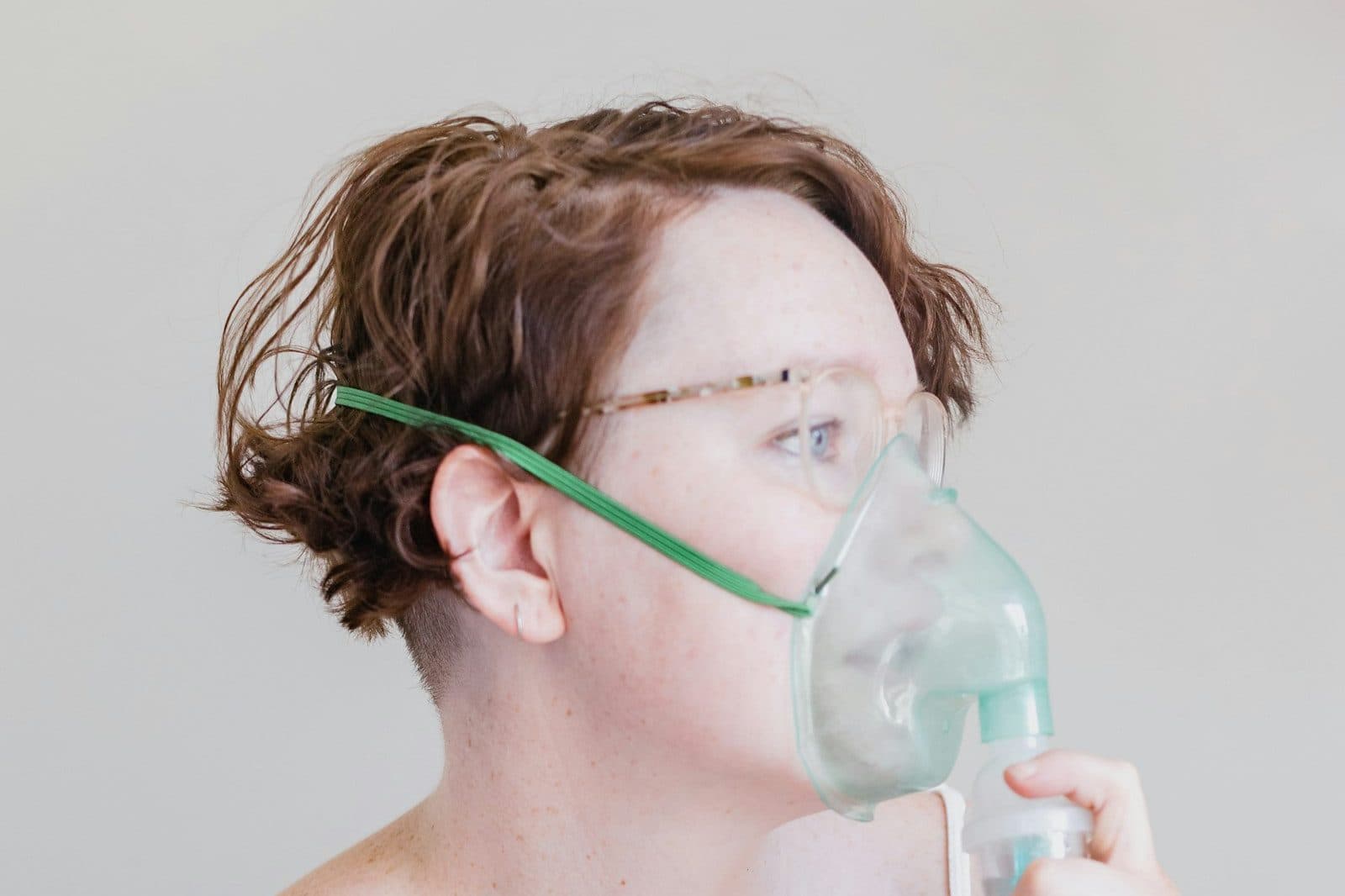
About 15 liters of warm salt water go into a single lung during an average whole lung lavage, the standard treatment for autoimmune pulmonary alveolar proteinosis (Campo et al., 2016). The fluid goes in roughly 800mL at a time while the patient is under general anesthesia (Campo et al., 2016). It is drained and poured in again until it comes out clear (PAP Foundation, 2024).
On November 22nd the FDA is due to decide whether people with the disease can add a medicine they breathe in at home. Molbreevi (molgramostim), from Savara, would be the first drug approved for autoimmune PAP in the US, where Savara notes there is no approved medicine for the disease (Savara, 2024).
Patients have already told the agency what they want from a treatment like this one. At a May 2025 meeting run by the National Organization for Rare Disorders (NORD) and the PAP Foundation, they answered live polls about their symptoms, their worries and the treatments they had tried.
This post sets those answers beside what Molbreevi's main trial actually measured, a comparison Trial Friend has not found published anywhere else. The polls also hold a surprise, because many of the people answering had been breathing in a version of the same medicine for years.
What Autoimmune PAP Does to the Lungs, and Why GM-CSF Matters
Autoimmune PAP begins with a cleanup crew that stops working. The lungs' air sacs are lined with surfactant, an oily film that keeps them from collapsing, and immune cells called alveolar macrophages clear the old film away once it is used up.
Those cells need a signal protein called GM-CSF to do that job. In autoimmune PAP the body makes antibodies against GM-CSF, so the macrophages never get the message (Trapnell et al., 2025). Surfactant then slowly fills the air sacs where oxygen should be crossing into the blood.
The build-up is rare, which is part of why it goes unrecognized for so long. A 2019 review counted at least 7 cases of PAP per million people, with the autoimmune form making up more than 90% of them (Trapnell et al., 2019).
In a 2025 study of the autoimmune PAP patient journey, most people had been told at least once that they had something else, most often pneumonia (Ataya et al., 2025). Many waited months or years for the right answer. Kelsea, a patient who spoke at the May 2025 meeting, saw 8 lung specialists, 3 hospitals and a surgeon before she was diagnosed (Voice of the Patient report, 2026).
The GM-CSF Antibody Blood Test That Confirms Autoimmune PAP
A blood test for antibodies against GM-CSF is what separates the autoimmune form from other kinds of PAP. Researchers in Cincinnati and Japan published a standardized version for routine diagnosis in 2014, and National Jewish Health in Denver now offers the test through its laboratory (Uchida et al., 2014; National Jewish Health).
In the May 2025 poll, 80% of answers said the test had been done (Voice of the Patient report, 2026). The same report notes that many health care professionals still do not know the test is available, which helps explain the long road to a diagnosis that so many speakers described.
Whole Lung Lavage for Autoimmune PAP, Measured in Liters
Whole lung lavage works by washing out the surfactant the macrophages could not clear. A 2016 survey of 20 adult centers in 14 countries found that it is almost always done under general anesthesia (Campo et al., 2016). A 2-channel breathing tube lets the team wash 1 lung while the other keeps breathing.
- Anesthesia
- General, often 3 to 6 hours
- Sessions
- Often 2, about 1 to 2 weeks apart
- Recovery
- 1 to 2 weeks after each
- Repeats
- Once a year or more for some people
Whole lung lavage for autoimmune PAP uses an average of 15.4 liters of warm saline per lung, according to a 2016 survey of 20 adult centers (Campo et al., 2016). Anesthesia and recovery times come from the PAP Foundation's 2024 coverage letter, and the repeat timing from the American Lung Association.
Those liters explain why patients talk about lavage the way they do. The PAP Foundation's letter for insurers says recovery takes 1 to 2 weeks after each procedure (PAP Foundation, 2024). The American Lung Association adds that some people need lavage once a year or more (American Lung Association, 2026).
The procedure does help many of them. In the May 2025 poll, 34% of answers rated lavage as working very well and 41% as moderately well, against 19% who said poorly or not at all (Voice of the Patient report, 2026).
“The lavages only bought me time.”
Trisha, a patient with autoimmune PAP, comparing lavage with inhaled GM-CSF (Voice of the Patient report, NORD and the PAP Foundation, 2026)
Lavage also asks a lot of the people around a patient. One woman at the meeting described a drive of at least 3.5 hours for each lavage, plus a few nights away before and after it. She called the travel a burden on her friends and family (Voice of the Patient report, 2026).
What People With Autoimmune PAP Told the FDA They Need
The meeting on May 7, 2025 was an externally led Patient-Focused Drug Development meeting, a format the FDA uses to hear directly from people living with a disease. About 200 people took part online (Voice of the Patient report, 2026). NORD's report from the meeting is dated May 15, 2026 and was submitted to the FDA as patient experience data.
Dr. Bruce Trapnell, the PAP Foundation's scientific director, co-hosted the meeting with NORD. Savara paid for it through a grant that, according to the report, gave the company no say over the content, and the hosts polled the patients and caregivers in the audience between the panels.
Asked which symptoms most affect daily life, the answers put breathlessness first at 29%, followed by fatigue at 23%. Emotional difficulties, trouble with daily activities and low blood oxygen came further down the list (Voice of the Patient report, 2026).
When choosing a treatment, 30% of answers named proof that it eases symptoms or slows the disease (Voice of the Patient report, 2026). Cost or insurance coverage came next at 23%, ahead of how the treatment is given at 17%.
What the IMPALA-2 Trial Showed for Molbreevi in Autoimmune PAP
Molbreevi's Phase 3 trial, IMPALA-2, gave 164 adults with autoimmune PAP either 300mcg of inhaled molgramostim or a placebo once a day for 48 weeks (Trapnell et al., 2025). Its main measure was DLCO, a breathing test of how easily gas passes from the air sacs into the blood, scored against what is expected for a person's age and size.
In IMPALA-2, DLCO rose 9.8 percentage points on Molbreevi and 3.8 on placebo by week 24, and 11.6 against 4.7 by week 48 (Trapnell et al., 2025).
That gap at week 24 was the trial's main goal, and it was met. After DLCO at week 48, the next measure was the St. George's Respiratory Questionnaire, a quality-of-life survey where a lower score is better, and its total fell 11.5 points on Molbreevi against 4.9 on placebo at week 24 (Trapnell et al., 2025).
The measure after that, the questionnaire's activity score, did not differ clearly between the groups at 24 weeks. Under the trial's statistical plan that stopped formal testing, so the later results, including exercise on a treadmill, cannot be counted as proven (Trapnell et al., 2025).
A paper published in September 2026 by trial investigators and Savara staff reported better exercise distance and duration on Molbreevi in an exploratory analysis (McCarthy et al., 2026). Exploratory means it points to a possible benefit without settling it.
A similar share of people on the drug and on placebo had at least 1 adverse event, meaning any health problem during the trial, or at least 1 serious one (Trapnell et al., 2025). Savara's 2024 results release lists COVID-19 infection (22% against 10%) and diarrhea (11% against 2%) as more common on Molbreevi, and worsening PAP as less common (5% against 14%) (Savara, June 2024).
Autoimmune PAP Patient Needs Against Molbreevi's IMPALA-2 Results
Putting the 2 documents side by side shows where the trial answers patients and where it leaves them waiting. Trial Friend matched each symptom from the poll to the IMPALA-2 measure closest to it, using the results published in the New England Journal of Medicine, and checked both on October 29, 2026.
Breathlessness, the symptom patients ranked first, sits inside the overall quality-of-life score that improved on Molbreevi, while the trial's main measure, gas transfer, sits closest to the symptom ranked fifth. Fatigue, ranked second, was not reported on its own. Sources: Voice of the Patient report (NORD and the PAP Foundation, 2026) and Trapnell et al., New England Journal of Medicine, 2025.
Molbreevi's IMPALA-2 trial showed better gas transfer and better overall quality-of-life scores than placebo in autoimmune PAP, but it did not report separately on fatigue, the symptom patients ranked second. One reading of that gap is that gas transfer is far easier to measure than tiredness. The national PAP registry described below is working toward a severity score that reflects how patients feel and function (ClinicalTrials.gov, NCT02461615).
Inhaled GM-CSF Before Molbreevi, From Off-Label Leukine to an Approval in Japan
The poll's most surprising number is about treatment history. Among the treatments people said they had received, 38% of answers named GM-CSF therapy, close behind whole lung lavage at 43% (Voice of the Patient report, 2026).
For US patients that GM-CSF has often meant Leukine (sargramostim), a medicine the FDA approved for other uses, including helping the immune system recover after chemotherapy. The report lists off-label inhaled GM-CSF and lavage as the most common treatments. The PAP Foundation's 2024 letter for insurers says many of its patients use Leukine off label while waiting for an approval (PAP Foundation, 2024).
People who had used it mostly rated it well, with 53% of answers saying very well and 22% moderately well. Another 6% said poorly, and 19% of answers came from people who had not received it (Voice of the Patient report, 2026).
“I am on sargramostim and it's been wonderful.”
Gigi, a patient with autoimmune PAP (Voice of the Patient report, NORD and the PAP Foundation, 2026)
Getting it paid for is where the strain comes in. Speakers described repeated prior authorization requests and the fear of losing coverage with a new job or plan, and some called insurance approval a full-time job (Voice of the Patient report, 2026). The foundation's letter points patients to Leukine Direct, a support program from its maker, Partner Therapeutics, for benefit checks and copay help (PAP Foundation, 2024).
Japan has already approved inhaled GM-CSF for the disease. Partner Therapeutics announced on April 3, 2024 that its partner Nobelpharma had received Japanese approval for inhaled sargramostim, sold there as Sargmalin (Partner Therapeutics, 2024). The approval rested on a 64-patient trial called PAGE.
Against that background, a US approval for Molbreevi would change different things for different people. For someone newly diagnosed, it would be a first drug with an FDA label for autoimmune PAP. For someone already breathing in Leukine, it would mean a medicine made and tested for this disease, with an approved use an insurer can check.
The PAP Foundation wrote in 2024 that it expects insurance coverage to stop being an issue once inhaled GM-CSF is approved (PAP Foundation, 2024). Price and coverage rules only take shape after an approval, though, so that expectation is still untested.
The PAP Foundation, Where Autoimmune PAP Patients and Researchers Work Side by Side
Much of what families learn about autoimmune PAP travels through the PAP Foundation, a US nonprofit and NORD member. Its board is chaired by Dr. Bruce Trapnell of Cincinnati Children's Hospital, the first author of the IMPALA-2 paper (PAP Foundation, 2026).
Patient voices run through its work. At the 2025 FDA meeting, a patient named Steve told the panel that connecting with other people who have aPAP helped him find treatment options (Voice of the Patient report, 2026).
The foundation brings that community together in person as well. Its meeting at the UCLA Meyer and Renee Luskin Conference Center on May 2, 2026 featured a talk on living with PAP from Steve Park, the foundation's second vice president. Dr. Tisha Wang gave an introduction to the disease and Brenna Carey shared new diagnosis and registry data (PAP Foundation, 2026).
For families, 2 of its resources stand out. The clinical centers page lists US doctors who report PAP experience, and the coverage support letter is written for doctors to send to insurers.
Autoimmune PAP Trials and Studies Open in 2026
In Trial Friend's search of ClinicalTrials.gov on October 29, 2026, most treatment trials for autoimmune PAP had finished or were running overseas, which leaves a registry as the main study open to US adults. The studies below are what that search found, and the autoimmune PAP trials page keeps the live list.
- A national registry for PAP (NCT02461615) run by Cincinnati Children's Hospital is recruiting people with PAP, and part of it aims to build a severity score that reflects how people with autoimmune PAP feel and function.
- A Savara trial of inhaled molgramostim in children with autoimmune PAP (NCT06431776) is recruiting at 1 site, in Munich, Germany.
- For hereditary PAP, a separate form caused by a faulty GM-CSF receptor, Cincinnati Children's is testing a macrophage transplant approach called PMT (NCT05761899).
- IMPALA-2 itself (NCT04544293) is still active but no longer recruiting, with its open-label extension under way.
One email when the decision is public, with what it means in plain language, plus new trials and FDA news for the condition you pick. Unsubscribe anytime.
You'll get new recruiting trials, changes to trials, FDA decisions and condition news for Pulmonary Alveolar Proteinosis. Turn any of these off from the link in every email.
Questions About Molbreevi and Autoimmune PAP for a Lung Specialist
The decision date is a natural moment to talk with a PAP specialist, whatever the FDA decides. Each of the questions below comes from a gap the poll and the trial leave open.
- Has my PAP been confirmed as autoimmune with a GM-CSF antibody blood test?
- What has my DLCO done over the past year, and how would we tell whether a new treatment is working?
- If Molbreevi is approved, would it be used alongside lavage, and could it change how often I need one?
- How would my fatigue be tracked, since the trial did not report on it separately?
- What would my insurer need to see, and would a coverage letter help?
- Am I eligible for the PAP registry or any trial near me?
The FDA can approve Molbreevi on November 22nd or turn it down with a letter listing what is missing, and it sometimes acts before a goal date. The decision alert on this page sends 1 email the day the outcome is public, and the Molbreevi decision page tracks it too.
Short Answers on Molbreevi, Whole Lung Lavage and Autoimmune PAP
When is the FDA decision on Molbreevi for autoimmune PAP?
The FDA's target date is November 22, 2026, 3 months later than first planned because the agency classified Savara's answers to its questions as a major amendment. Savara said the agency did not cite any safety, efficacy or manufacturing concerns in its correspondence (Savara, 2026).
Is Molbreevi the same drug as Leukine?
Molbreevi and Leukine are different drugs, though both are man-made versions of GM-CSF. Molbreevi is molgramostim, developed by Savara as a once-daily inhaled treatment for autoimmune PAP, while Leukine is sargramostim, which the FDA has approved for other uses. Japan approved inhaled sargramostim for autoimmune PAP in 2024 under the name Sargmalin.
Will Molbreevi replace whole lung lavage?
Nobody knows yet, because IMPALA-2 compared Molbreevi with placebo rather than with lavage. The PAP Foundation wrote in 2024 that many patients on well-dosed inhaled GM-CSF go longer between lavages, which describes the foundation's experience with inhaled GM-CSF rather than a trial result.
Who could get Molbreevi if it is approved?
That depends on the label the FDA writes. IMPALA-2 enrolled only adults with autoimmune PAP, and Savara is testing the drug in children in a separate trial in Germany. Hereditary PAP, where the GM-CSF receptor itself is faulty, was not part of the trial.
What side effects did people have on molgramostim?
Adverse events, meaning any health problem during the trial, were about as common on molgramostim as on placebo in IMPALA-2. Savara reported that 2 people stopped the drug because of adverse events investigators judged unrelated to it, and 97% finished the 48-week blinded part of the trial (Savara, June 2024).
Where can people with autoimmune PAP find support?
The PAP Foundation, a US nonprofit run with patients and PAP researchers, offers a doctor directory, an insurance coverage letter and patient meetings. The American Lung Association's Lung HelpLine, at 1-800-586-4872, also takes questions from people with any lung disease.