Home/Rare Diseases/Barth Syndrome

Cardiovascular

Barth Syndrome (BTHS) Clinical Trials and Treatments

Also called BTHS, 3-Methylglutaconic Aciduria Type II, MGA2, TAFAZZIN Deficiency, Cardiolipin Remodeling Defect

Barth syndrome is caused by pathogenic variants in TAFAZZIN (formerly TAZ), located on the X chromosome. TAFAZZIN encodes a transacylase enzyme on the inner mitochondrial membrane that remodels cardiolipin, a phospholipid found almost exclusively in mitochondria.

View 4 active trialsMatch me to a trial

About Barth Syndrome

Barth syndrome is caused by pathogenic variants in TAFAZZIN (formerly TAZ), located on the X chromosome. TAFAZZIN encodes a transacylase enzyme on the inner mitochondrial membrane that remodels cardiolipin, a phospholipid found almost exclusively in mitochondria. Mature, properly remodeled cardiolipin is essential for assembly and function of the electron transport chain, the molecular machinery that produces cellular energy (ATP). When tafazzin is deficient, cardiolipin remains in an immature form (monolysocardiolipin), which destabilizes mitochondrial membranes and impairs energy production in tissues that depend most heavily on aerobic metabolism: the heart, skeletal muscle, and white blood cells.

The diagnostic biochemical hallmark is an elevated ratio of monolysocardiolipin to mature cardiolipin (MLCL:CL ratio), measured in blood. Confirmation typically comes from molecular genetic testing of the TAFAZZIN gene, which identifies a hemizygous pathogenic variant. 3-methylglutaconic aciduria on urine organic acid testing is a non-specific but commonly seen marker.

Clinical management before 2025 was supportive: heart failure medications, granulocyte colony-stimulating factor (G-CSF) for neutropenia in selected patients, prophylactic antibiotics during high-risk periods, nutritional support, and physical therapy. Heart transplant has been performed in selected severe cases. The September 2025 FDA approval of elamipretide marked the first time a therapy specifically targeting the underlying mitochondrial defect became available.

Common Symptoms of Barth Syndrome

Recognizing the signs of Barth Syndrome early can lead to faster diagnosis and better outcomes. Symptoms may vary in severity from person to person. If you or a loved one are experiencing any of the following, consider speaking with a specialist.

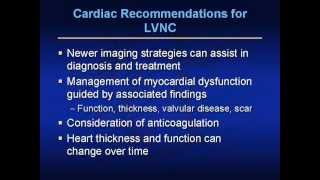
  • Cardiomyopathy (dilated, hypertrophic, or with left ventricular noncompaction) — often the presenting feature in infancy
  • Neutropenia (low neutrophil count) that may be chronic, cyclic, or intermittent and increases serious infection risk
  • Skeletal muscle weakness, especially in proximal limb muscles
  • Severe exercise intolerance and disabling fatigue
  • Growth delay and short stature, often falling below the 5th percentile
  • Chronic feeding problems, gastrointestinal issues, and selective eating
  • 3-methylglutaconic aciduria (elevated 3-MGCA on urine organic acid testing)
  • Hypoglycemia, especially in infancy

Who Barth Syndrome Affects

Barth syndrome is X-linked recessive, caused by mutations in the TAFAZZIN gene on chromosome Xq28. Because males have only one X chromosome, almost all affected individuals are boys. Female carriers typically have one normal copy and one mutated copy and are usually asymptomatic, though rare carrier females have shown mild features.

Symptoms most commonly present in infancy or early childhood with severe heart failure, recurrent infections from neutropenia, or failure to thrive. Some patients are diagnosed prenatally because of family history, while others are not identified until childhood or adolescence when the constellation of cardiomyopathy plus neutropenia plus muscle weakness triggers genetic testing. The disease was historically associated with high infant mortality, but improvements in cardiac care, prophylactic antibiotics, and now targeted therapy have improved outcomes.

Find Your Next Step

Answer a few questions and we'll point you to the right tools and information for where you are right now.

Where are you in your Barth Syndrome journey?

FDA-Approved Treatments for Barth Syndrome

There is currently 1 FDA-approved medication for Barth Syndrome. These therapies represent the current standard of care and may be used alongside or compared against investigational treatments in active clinical trials.

elamipretide
Mighty Therapeutics (formerly Stealth BioTherapeutics)
Search

Source: openFDA drug labeling data. This list may not include all treatments. Always consult your doctor.

Ask about these treatments
Type your own question with a little about your situation, and get an answer with sources.
Tap to start:
Or start with one of these

Help Paying for Barth Syndrome Treatment

Charity funds and drugmaker programs for Barth Syndrome, checked at the source. Pick your insurance to see what fits.

Your insurance
Charity funds
  • From a charity · NORD RareCare
    Barth Syndrome Travel Assistance Fund fund
    Open

    Pays for: Travel and lodging for care.

    The foundation says: “Accepting Applications”
  • From a charity · NORD RareCare
    Barth Syndrome Emergency Relief fund
    Waitlist

    Pays for: Emergency relief.

    The foundation says: “Temporarily Waitlisting”
Status as each foundation showed it on September 28, 2026.
Drugmaker programs
Open a medicine for who qualifies, by insurance type.

Open the full patient assistance finder →

Side Effect Explorer

Real-world side effect reports from the FDA Adverse Event Reporting System (FAERS). Includes both FDA-approved drugs and investigational therapies from active clinical trials. Click any drug to see what patients reported.

Loading side effect data...

Questions about side effects?
I can help you understand what these reports mean
Tap to start:
Or start with one of these

Genetic Testing

Genetic testing can confirm a diagnosis, guide treatment decisions, and identify family members who may be at risk.

Finding labs...

Trusted Barth Syndrome Resources

Reputable organizations and medical references for learning more about Barth Syndrome, including disease registries, foundation resources, and clinical guidelines.
Active Clinical Trials for Barth Syndrome

Use this Barth Syndrome clinical trial finder to see the 4 studies recruiting patients in the United States and worldwide, with eligibility criteria in plain English. These studies play a critical role in advancing care for cardiovascular conditions and may offer access to treatments not yet widely available. Each trial below is sourced directly from ClinicalTrials.gov, with eligibility criteria translated into plain English to help patients and caregivers evaluate whether a study may be a fit.

TrialsSite mapPipeline timeline

Note: Trial recruitment statuses on ClinicalTrials.gov may not immediately reflect recent FDA decisions, sponsor announcements, or enrollment changes. Always confirm a trial's current status directly with the study coordinator before making plans.

4 active trials worldwide
Filter:
Sort:
RECRUITINGPHASE4Recently updatedNCT07531251

Clinical Trial in Patients With Barth Syndrome- 4TAZPower

Intervention: Elamipretide, Placebo

Sponsor: Stealth BioTherapeutics Inc.

Phase 3b/4, randomized, double-blind, parallel-group, placebo-controlled clinical trial to evaluate the efficacy, safety, and pharmacokinetics of a once daily SC injection of elamipretide in subjects with genetically confirmed BTHS for 72 weeks. The primary trial objective is to ...

Ages 5 Years – 55 Years3 locations
Started Jul 2026Updated 1 week agoEst. Sep 2029 (~3 years)
RECRUITINGRecently updatedNCT05554835

Global Registry and Natural History Study for Mitochondrial Disorders

Sponsor: LMU Klinikum

The main goal of the project is provision of a global registry for mitochondrial disorders to harmonize previous national registries, enable world-wide participation and facilitate natural history studies, definition of outcome measures and conduction of clinical trials.

Ages not specified34 locations
Started Feb 2009Updated 1 month agoEst. Dec 2040 (~14y 3m)
RECRUITINGPHASE3Recently updatedNCT06056297

A Study of Mavorixafor in Participants With Congenital and Acquired Primary Autoimmune and Idiopathic Chronic Neutropenic Disorders Who Are Experiencing Recurrent and/or Serious Infections

Intervention: Mavorixafor, Placebo

Sponsor: X4 Pharmaceuticals

The purpose of this study is to demonstrate the efficacy and evaluate the safety and tolerability of mavorixafor in participants with congenital or acquired primary autoimmune and idiopathic chronic neutropenic disorders who are experiencing recurrent and/or serious infections as...

Ages 12 Years+114 locations
Started Jun 2024Updated 1 month agoEst. Sep 2027 (~1 year)
RECRUITINGNo updates in a whileNCT01694940

North American Mitochondrial Disease Consortium Patient Registry and Biorepository (NAMDC)

Sponsor: Columbia University

The North American Mitochondrial Disease Consortium (NAMDC) maintains a patient contact registry and tissue biorepository for patients with mitochondrial disorders.

Ages not specified17 locations
Started Jan 2011Updated 7 months agoEst. Dec 2026 (~3 months)
Get trial alerts

Get notified when new Barth Syndrome trials open or existing trials change status, add sites, or update eligibility.

We never share your email. Unsubscribe anytime.
Find Barth Syndrome trials near you, ranked by distance →
Active trial locations32 cities in the US
+24 more

Trial Pipeline

Jan 2021 to Sep 2031
2021
2023
2025
2027
2029
2031
now
Phase 3
Phase 4
Observational
RecruitingOpening soonDelayed startTodayHover a bar for trial details
Need help understanding these trials?
Type your own question with a little about your situation, and get an answer with sources.
Tap to start:
Or start with one of these
Run a Barth Syndrome foundation or patient group?
You can put this live trial list on your own website. It updates itself, and it's free.
Get the embed code →

Data from ClinicalTrials.gov, U.S. National Library of Medicine.
Always talk to your doctor before considering a clinical trial.

Patient Communities

Connect with other Barth Syndrome patients, caregivers, and advocacy groups across Facebook groups, Reddit communities, and YouTube channels. These patient communities offer peer support, shared experiences, caregiver resources, and real-time discussion about Barth Syndrome treatments, clinical trial participation, and day-to-day disease management.

Find the right community
Type your own question with a little about your situation, and get an answer with sources.
Tap to start:
Or start with one of these

Related Cardiovascular Conditions

Other rare diseases in the cardiovascular category. Patients with Barth Syndrome may find relevant research, shared treatment pathways, or overlapping clinical trials among these related conditions.

Companies Developing Barth Syndrome Treatments

1 pharmaceutical company has Barth Syndrome in their rare disease portfolio

Frequently Asked Questions About Barth Syndrome