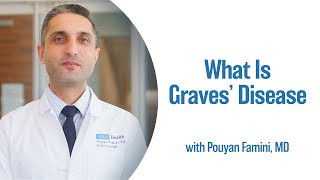
About Graves’ Disease
Graves' disease is an organ-specific autoimmune disorder caused by thyroid-stimulating antibodies (TSAb) that bind to and activate the TSH receptor on thyroid follicular cells, causing unregulated thyroid hormone production. The resulting hyperthyroidism affects virtually every organ system. Cardiovascular effects include tachycardia, atrial fibrillation, and high-output heart failure. Metabolic effects include weight loss, heat intolerance, and increased bone turnover (osteoporosis risk). Neuropsychiatric effects include anxiety, insomnia, and tremor.
Graves' ophthalmopathy (thyroid eye disease) occurs in about 25-50% of patients and involves inflammation and expansion of orbital tissue, causing eye protrusion, double vision, and in severe cases, vision loss. Current treatments include antithyroid medications (methimazole, propylthiouracil), radioactive iodine therapy, and thyroidectomy. Each has significant limitations: medications have high relapse rates, while RAI and surgery result in permanent hypothyroidism. Novel approaches targeting the underlying autoimmune mechanism, including TSH receptor antibody degraders, represent a potential paradigm shift toward disease modification rather than thyroid destruction.
Common Symptoms of Graves’ Disease
Recognizing the signs of Graves’ Disease early can lead to faster diagnosis and better outcomes. Symptoms may vary in severity from person to person. If you or a loved one are experiencing any of the following, consider speaking with a specialist.
- Rapid or irregular heartbeat (palpitations)
- Unexplained weight loss despite increased appetite
- Tremors in hands and fingers
- Heat intolerance and increased sweating
- Bulging eyes (exophthalmos) or eye irritation
- Anxiety, irritability, and difficulty sleeping
Who Graves’ Disease Affects
Women are 5-10 times more likely to develop Graves' disease than men. Peak onset is between ages 30-50. Strong genetic component with family clustering. Associated with other autoimmune conditions (type 1 diabetes, rheumatoid arthritis, vitiligo). Smoking increases risk, particularly for eye disease. Stress and postpartum period can trigger onset.
Find Your Next Step
Answer a few questions and we'll point you to the right tools and information for where you are right now.
Side Effect Explorer
Real-world side effect reports from the FDA Adverse Event Reporting System (FAERS). Includes both FDA-approved drugs and investigational therapies from active clinical trials. Click any drug to see what patients reported.
Loading side effect data...
Genetic Testing
Genetic testing can confirm a diagnosis, guide treatment decisions, and identify family members who may be at risk.
Finding labs...
Trusted Graves’ Disease Resources
Reputable organizations and medical references for learning more about Graves’ Disease, including disease registries, foundation resources, and clinical guidelines.